


Published on: April 24, 2026, 07:21h.
Updated on: April 24, 2026, 10:10h.

EDITOR’S NOTE: The series “Vegas Myths Busted” features new articles every Monday, plus a special Flashback Friday edition. Today’s myth we’re exploring was initially published on April 21, 2025.
While many are aware that Las Vegas only legalized gambling in 1931, few realize that it didn’t instantly become the gambling hub of the country. At that time, Reno boasted 21 casinos compared to Las Vegas’ eight.
Interestingly, another American city outshone both until the late 1940s.

By 1941, Las Vegas had only 24 casinos, a number that escalated to 90 by 1955 while Reno had 15 to boast. Meanwhile, Northern Kentucky had over 40, predominantly in and around Newport, most of which were illicit since casino gaming has never been sanctioned in Kentucky.
Though those running illegal establishments seldom seek business permits or promote themselves through traditional media, researchers Matthew DeMichele and Gary Potter from Eastern Kentucky University compiled a comprehensive list of gambling venues in the area, spanning from the 1920s to the 1960s.
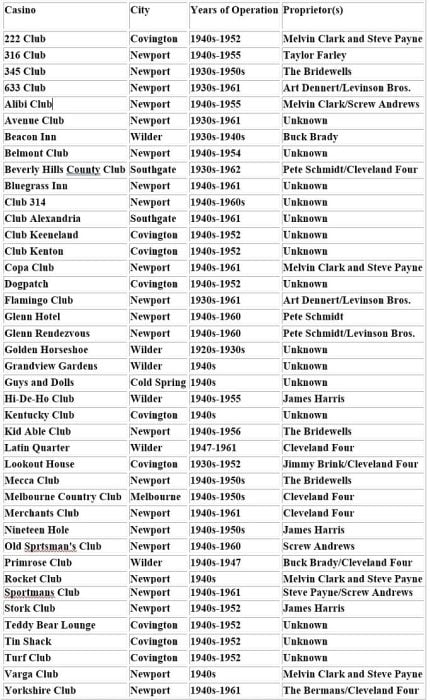
Noteworthy venues included the Beverly Hills Club, Primrose Club, Yorkshire Club, Lookout House, and the Flamingo. During the ’50s and ’60s, Newport also hosted its own versions of the Tropicana, Stardust, and Silver Slipper, reminding us that when you’re operating underground, copyright violations are hardly a concern.
What Else is Newport Known For?
During the 1940s, Newport’s population was around 30,000, swelling to over triple that each weekend. Notables like Frank Sinatra, Dean Martin, and Marilyn Monroe reportedly graced the city; however, many claims lack credible sources.
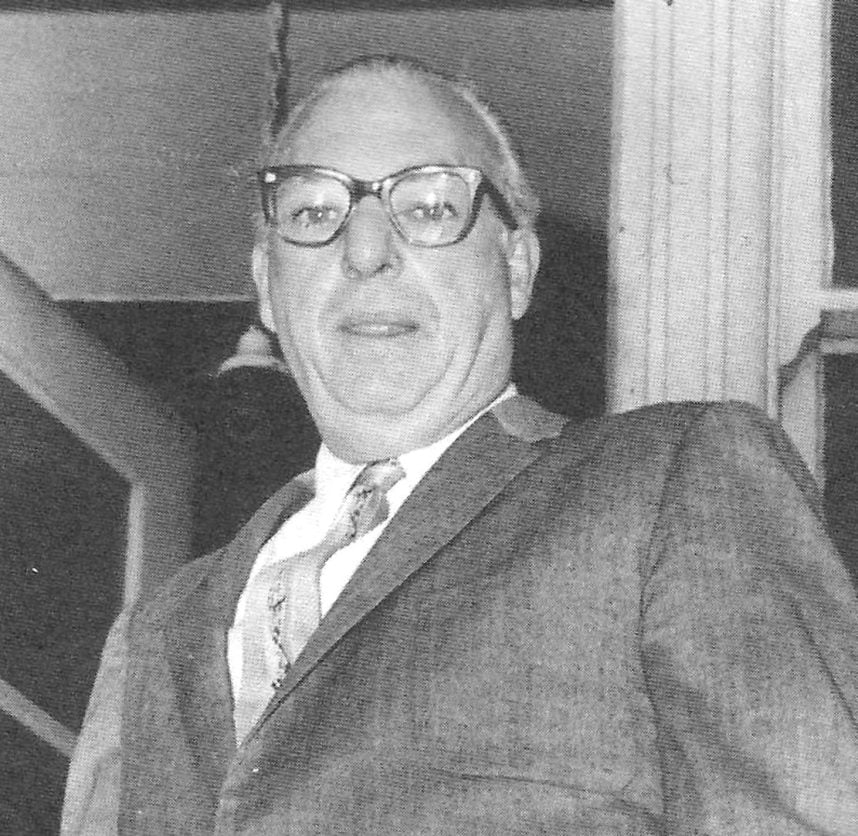
Some sources even stated that the Rat Pack performed in Newport, a claim that is certainly unfounded. However, reports indicate Martin did show up at house parties hosted by Frank “Screw” Andrews, the owner of the Sportsman’s and Alibi clubs. In 2015, the Cincinnati Enquirer suggested he once worked as a blackjack dealer at the Beverly Hills Club, a dubious assertion not corroborated elsewhere.
The most prominent entertainers confirmed to have performed in Newport were Liberace, Milton Berle, and the duo Steve Lawrence and Eydie Gormé, who headlined at the Beverly Hills Club.
Interestingly, “Godfather II” even featured a nod to the city’s gambling history. Hyman Roth, portrayed by Lee Strasberg, remarked, “Eddie Levine of Newport will bring in the Pennino Brothers, Dino and Eddie. They’ll handle actual casino operations.”
Why Was Newport the Hub?
Prohibition, enacted in 1920, paved the way for Newport to become the “Sin City of the Midwest.” To satisfy the unyielding demand for liquor, restaurateurs turned to George Remus, a former attorney and pharmacist turned rumrunner. Utilizing a loophole permitting the production of alcohol for medicinal purposes, he transformed Newport into a hotbed for bootlegging.
Most of the liquor making its way through Cincinnati — managed by notorious figures like Al Capone and Meyer Lansky — originated from Newport.
Since local law enforcement and government officials were often bribed to overlook the illegal activities, casinos and brothels began to flourish across the area.
After Prohibition’s repeal in 1933, little changed until 1936. That year, the Cleveland Four (a group of four members from the Cleveland syndicate: Moe Dalitz, Morris Kleinman, Louis Rothkopf, and Sam Tucker) forcefully established their presence in Newport.
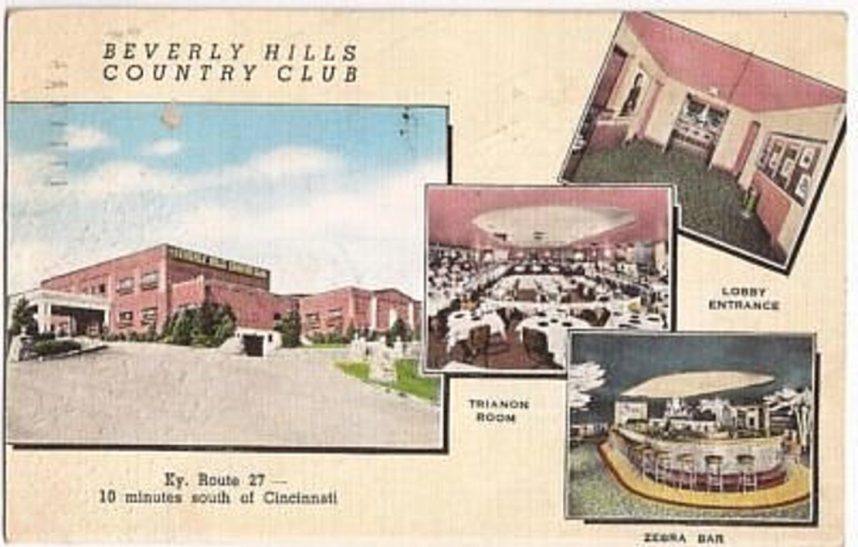
They approached Peter Schmidt, an associate of Remus’, with an offer to buy the Beverly Hills Club or share ownership, but he turned them down.
In retaliation, they burned down his establishment and murdered the caretaker’s niece.
Schmidt, undeterred, rebuilt the club as the Beverly Hills Country Club only to be robbed shortly after reopening. Seeking protection, he turned to another syndicate in Toledo, but they opted to avoid conflict with the Cleveland Four.
At this time, Dalitz and his associates had already seized control of the Coney Island Parkway racetrack, located nine miles from Newport, eliminating its owner in a New Jersey restaurant. (Today, it operates as Belterra Park.)
In 1940, the Beverly Hills Country Club changed hands to a front for the Cleveland Syndicate, prompting at least seven other illegal casino operators in Newport to follow this trend.
Among those Newport club owners associated with organized crime were the Levinson Brothers (Ed, Mike, and Louis, affiliates of Meyer Lansky from Chicago), Melvin Clark, Steve Payne, and the previously mentioned Screw Andrews. Collectively, they accounted for an additional ten clubs listed earlier.
The mobsters moved quickly to acquire and remodel established clubs, converting them into upscale venues — places that would later inspire the architectural designs of early Vegas Strip casinos or build new venues from the ground up.
What’s Old is New in Newport
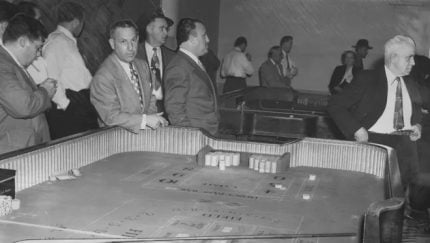
Beginning with the Kefauver Hearings in 1950-51, the mafia’s influence in Newport began to wane as government authorities intensified their focus on illegal gambling.
Lansky, Dalitz, and other prominent mob figures shifted their operations to Las Vegas, where gambling was legally permissible.
Though siphoning off unreported earnings remained an issue for them, the cash-only nature of these businesses made it difficult for local authorities, who were easily bribed.
The downfall of Newport commenced with an arrest at the Glenn Hotel on May 9, 1961, involving George Ratterman, a reform candidate for sheriff, who faced charges for breach of peace, disorderly conduct, and resisting arrest.
This incident attracted national attention, particularly from US Attorney General Robert F. Kennedy, who had been keeping a close eye on Newport since the Kefauver hearings. RFK dispatched 39 FBI agents to Newport, marking it as a primary target in the battle against organized crime. Reluctantly, the mob exited, leading to a significant population drop as well.
Today, Newport, Kentucky stands as a respectable city, with a population similar to that of 1870 (about 15,000), and it sees virtually no annual celebrity visitation.
Look for new entries in “Vegas Myths Busted” each Monday on Casino.org. To explore previously debunked Vegas myths, visit VegasMythsBusted.com. Have a Vegas myth you think should be addressed? Reach out at [email protected].