


The United States Court of Appeals for the Third Circuit has reinstated an antitrust lawsuit that accuses Atlantic City casinos of collaborating to manipulate hotel room pricing, reversing a previous dismissal by a federal district court.
A panel of three judges in the Philadelphia appellate court unanimously concluded that the proposed group of plaintiffs should have the opportunity to gather technical evidence related to their claims through a discovery process. In 2024, Judge Karen Williams of the New Jersey US District Court dismissed the case, stating the plaintiffs did not adequately prove how the casinos allegedly coordinated to elevate room prices.
The lawsuit is led by plaintiff Karen Cornish-Adebiyi on behalf of the proposed class, asserting that the casinos used identical Cendyn Rainmaker software—an AI-driven cloud platform designed for revenue and profit optimization in hotels—to engage in price-fixing. The complaint highlights that five out of nine casinos are accused of violating antitrust laws, specifically the Sherman Act, which prohibits companies from conspiring to monopolize a market.
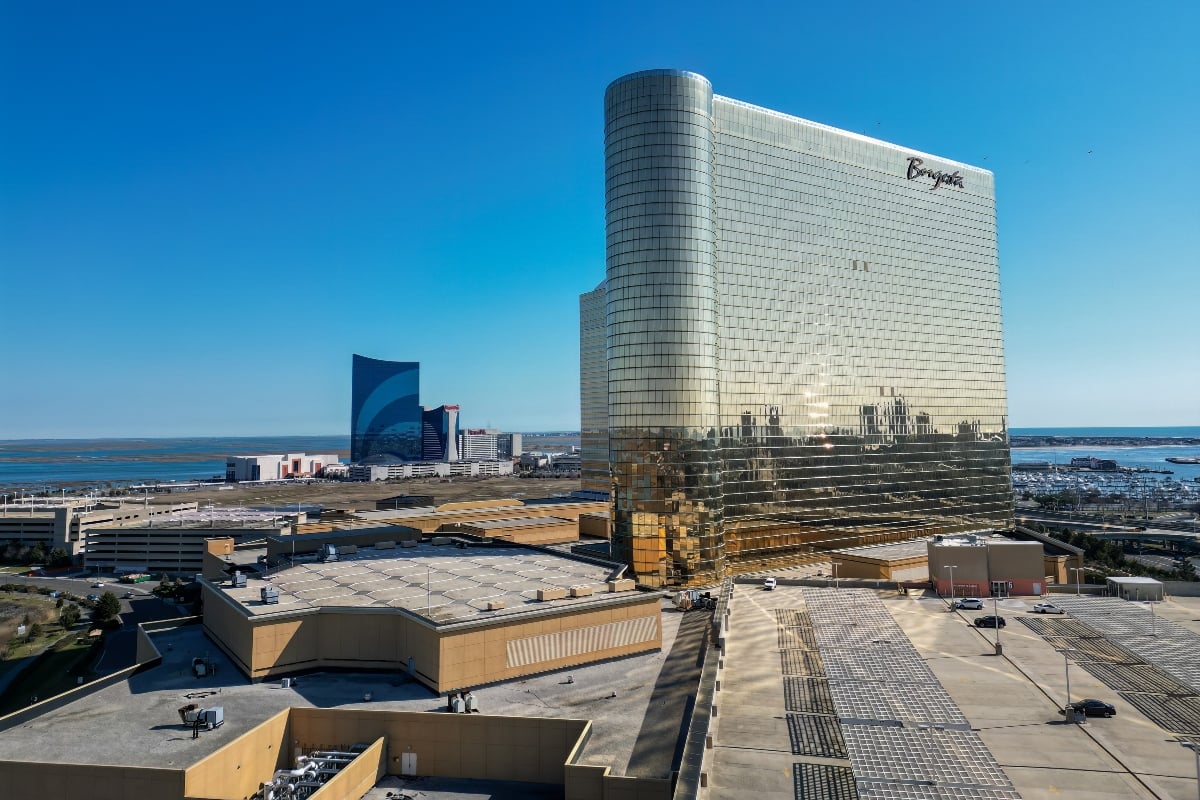
The defendants named in the lawsuit include Borgata, Hard Rock, Caesars, Harrah’s, and Tropicana.
Continuation of the Case
This week’s decision from the Third Circuit was unexpected, especially since a related price-fixing case against Las Vegas casinos was dismissed in August 2025. Judges Theodore McKee, L. Felipe Restrepo, and D. Brooks Smith indicated that the plaintiffs should have access to the Cendyn Rainmaker data used by the Atlantic City casinos prior to any dismissal motion being reviewed.
The original complaint claimed that the casinos shared sensitive booking data with Cendyn Rainmaker, including weekend room reservations. The software compiled this information to create optimized pricing for the casinos. This arrangement is alleged to represent an illegal conspiracy to manipulate hotel room rates, violating federal antitrust regulations.
“The District Court required plaintiffs to plead with greater specificity regarding how the algorithm facilitates information sharing, essentially demanding they explain how Cendyn’s proprietary software operates without any discovery to enable that,” McKee stated.
“At this stage of litigation, such detailed insight into the software’s workings is neither necessary nor appropriate. The plaintiffs have adequately asserted that a significant exchange likely occurs, which could facilitate collusion,” the ruling clarified.
The appellate court has sent the case back to New Jersey’s District Court for additional proceedings, including a discovery phase.
Declining Visitors, Rising Rates
In 2019, Atlantic City’s nine casinos sold around 4.3 million hotel room nights at an average nightly rate of $142, achieving an occupancy rate of 79% that year.
By 2025, the same casinos experienced a drop in occupancy to 71%, selling 3.9 million room nights with an increased average rate of $175.