


Published on: March 10, 2026, 06:21h.
Updated on: March 10, 2026, 06:21h.

- The historic home of Benny Binion remains as an enduring symbol of the cowboy gangster’s vibrant past
- This location was the birthplace of Binion’s innovative gambling ventures and served as the childhood residence of Ted Binion
- A tragic fire in 1990 led to the historic Westside property being boarded up and unlivable
This installment shines a light on a relic of vintage Las Vegas that has endured, albeit in a dilapidated state. Benny Binion’s charred ranch is situated in the Historic Westside, serving as a monument to the cowboy gangster who shaped modern Las Vegas.
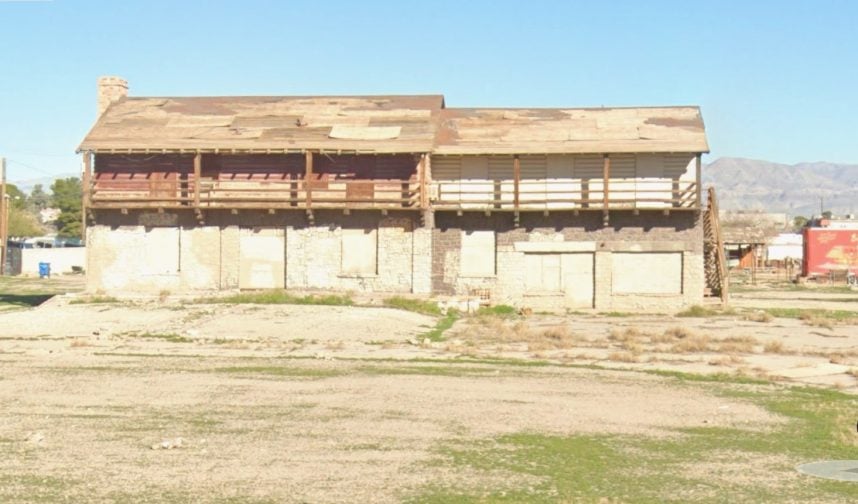
In 1947, Binion relocated from Dallas with suitcases filled with cash and purchased one of Las Vegas’ largest homes for his wife, Teddy Jane, and their five children—Ted, Jack, Becky, Brenda, and Barbara—for $65,000.
As a significant figure in the illicit gambling scene of Dallas, Binion had faced escalating violence amidst a turf battle with the Chicago-associated Lombardo gang, compounded by an unwelcome new sheriff (Bill Decker) who made Texas unsafe for him.
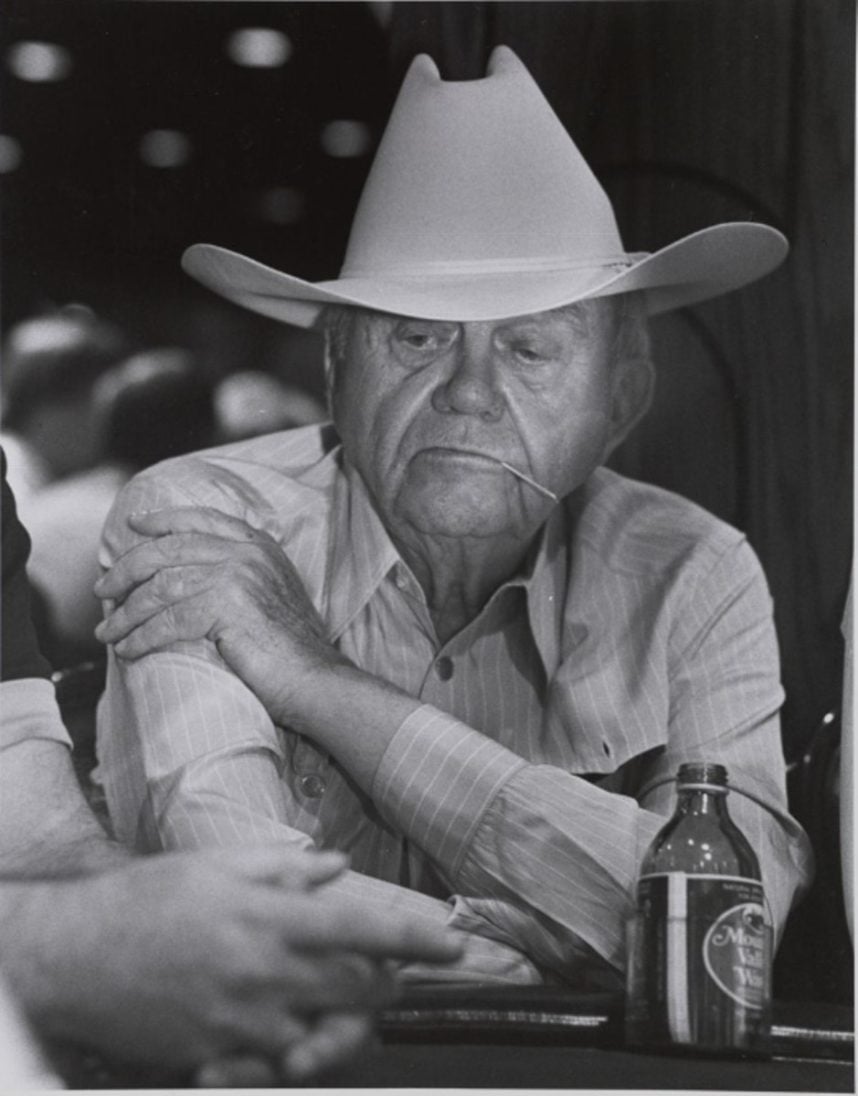
Convicted of murder in 1931 for shooting a rumrunner named Frank Bolding, he received only a two-year suspended sentence, primarily due to the victim’s own notoriety. Five years later, Binion shot and killed Ben Frieden, a competitor in the gambling realm, but was acquitted based on self-defense (he even shot himself in the shoulder to support his claim).
The Former Dude Ranch
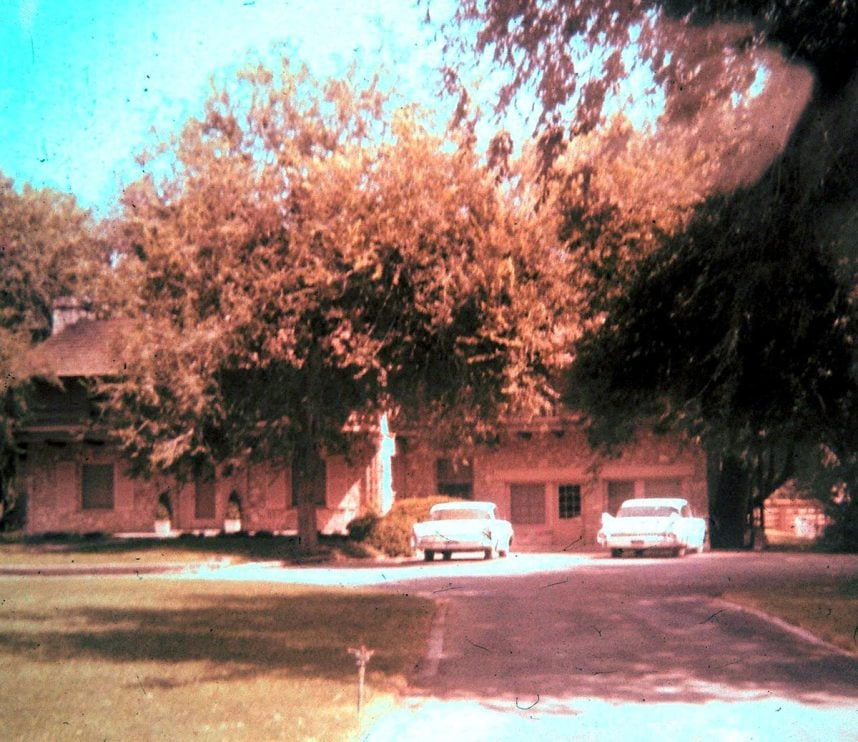
Constructed in 1942 by service station owner C.A. Morehouse, the future Binion residence boasted three bedrooms, multiple bathrooms, a sizeable basement, a guesthouse, and a swimming pool.
Before Binion’s ownership, the property operated as a dude ranch where socialites seeking speedy divorces could fulfill their six-week residency requirements in Nevada.
Within its now-closed doors, Binion hosted influential gatherings with the gangster pioneers of modern Las Vegas, serving steaks sourced from his own herd, while conceptualizing high-limit betting and the World Series of Poker—transformations that altered the course of Las Vegas history.
The house also bore witness to the family’s most challenging period, serving as their home during the three-and-a-half years that Benny spent at Leavenworth Penitentiary in Kansas for tax evasion linked to his Texas gambling activities.
To pay for his $5 million in legal fees and back taxes, Binion had to divest his majority interest in the Horseshoe Club. While his family eventually regained full control in 1964,
Benny’s felony record permanently barred him from obtaining a gaming license in Nevada. For his remaining years, he was officially a “consultant” at the Horseshoe, although everyone recognized he was truly in control.
The Binion family resided in the house until 1974, maintaining ownership and using the property to shelter their horses.
Benny passed away from heart failure at the age of 85 on Christmas Day in 1989. Following his death, the abandoned house served as a time capsule, containing antiques and family treasures, all consumed by a fire five months later that rendered the premises uninhabitable.
In 1997, a year before Ted’s murder, his girlfriend Sandra Murphy was reportedly seen dismantling walls in the boarded-up residence, allegedly in search of hidden cash or valuables Ted might have concealed.
In 2001, Benny’s daughter, Becky Binion Behnen, suggested converting the property into a “Teddy Jane and Benny Binion” park and museum. However, her surviving siblings contested this plan.
The site is currently recognized as a stop on the city of Las Vegas’ Pioneer Trail, though it has never been protected from potential demolition through a listing on the National Register of Historic Places.
“Lost Vegas” is a recurring series by Casino.org highlighting the forgotten tales of Las Vegas. Click here to explore other narratives in this series. Have a compelling Vegas story lost to time? Email [email protected].