


Ernie Stevens Jr., a notable leader in the realm of tribal gaming and the longtime chair of the Indian Gaming Association (IGA), sadly passed away on Friday, at the age of 66. His passing was confirmed by IGA conference chair Victor Rocha via X.
Stevens had recently been reelected in April for his 13th consecutive term as chairman of the IGA, a role he first took on in 2000. During his tenure, tribal gaming revenues in the U.S. saw remarkable growth, soaring from $11 billion in 2000 to an astonishing $43.9 billion by 2024. This incredible increase positioned tribal gaming as the most significant sector of the U.S. gaming industry, closely linked to Stevens’ strategic planning and advocacy efforts.
In a statement concerning his passing, the Indian Gaming Association recognized Stevens as a leader who “remained unwavering in promoting tribal government gaming and fortifying tribal sovereignty.”
IGA’s executive director, Jason Giles, expressed: “The IGA Board and staff are heartbroken following the loss of Chairman Stevens. To honor his wife Cheryl and their beautiful family, as well as the Oneida Nation, we will share a full tribute at the right moment. Please keep the Stevens family in your thoughts and prayers.”
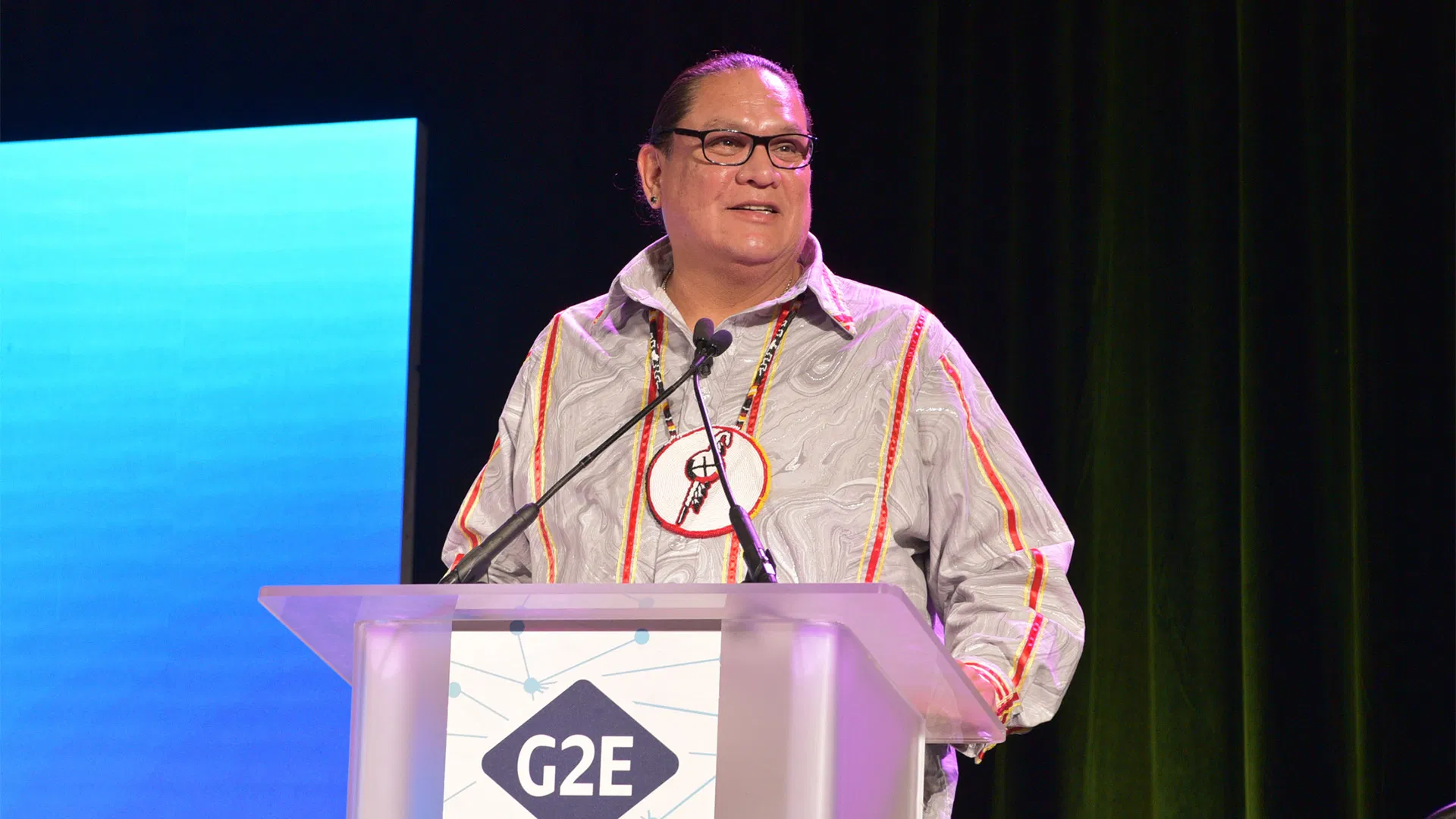
Stevens was acknowledged as a unifying figure within Indian Country, adeptly balancing his defense of sovereignty with pragmatism in Washington. “If you begin throwing haymakers, that’s how you end up knocked out,” he remarked earlier this year during an IGA webinar. “But you have to make a move.”
A member of the Oneida Nation of Wisconsin, Stevens previously served as a councilman for his tribe before stepping into a national role. His advocacy was inspired by his father, Ernest Stevens Sr., a Korean War veteran and a prominent Native rights activist.
Following his father’s death last year, Stevens shared: “My father, Ernie Stevens Sr., represented far more than just a paternal figure to me. He was a hero, a beacon of hope, and a representation of resilience for many. His immense wisdom was a source of comfort and guidance, while his actions sparked inspiration among those around him.”
Throughout his career, Stevens became celebrated for his influential presence and his talent for uniting tribal nations, federal officials, and industry leaders. He was a prominent voice in national discussions surrounding tribal sovereignty and economic advancement, engaging in forums from Capitol Hill to international gatherings.
Messages of tribute flooded in from every corner of Indian Country after the announcement of his death. Deb Haaland, former U.S. Secretary of the Interior and a current candidate for governor of New Mexico, reflected on his longstanding support: “There hasn’t been a moment when Ernie Stevens hasn’t been there for us. He was consistently kind and supportive, welcoming, and always ready to offer help. He was deeply optimistic about Indigenous peoples’ capabilities and exemplified decisive leadership.”
The National Congress of American Indians (NCAI) recognized him as “a pivotal advocate for Tribal sovereignty and an unparalleled champion of Tribal gaming,” highlighting his contributions to the growth of tribal economies and the funding of essential services like health care, housing, education, and cultural preservation.
The commercial gambling sector also honored Stevens, with Bill Miller, President & CEO of the American Gaming Association, stating: “Today, the American gaming industry grieves the loss of one of its most transformative and respected figures, Chairman Ernie Stevens, Jr.
“Beyond his professional influence, I personally treasured Ernie’s friendship. His warmth, kindness, and steadfast support meant a lot to me, and I will deeply miss him. His legacy will continue to motivate us as we strive to uphold the values he championed so admirably.“
Stevens’ leadership steered the industry through unprecedented growth, ensuring gaming revenues bolstered schools, healthcare facilities, and infrastructure within Native communities. His colleagues highlighted that his impact went beyond financial aspects, emphasizing his dedication to mentoring younger leaders and fostering unity among tribes.
He is survived by his wife, Cheryl, five children, and 20 grandchildren. The Indian Gaming Association stated it would honor Stevens’ legacy by perpetuating his lifelong mission of advocating for tribal sovereignty and empowering Native nations.