


Published on: October 3, 2025, at 10:21 AM.
Updated on: October 3, 2025, at 10:28 AM.

- Anti-casino factions in Northern Virginia join forces
- Legislative discussions to approve a casino in Fairfax County are slated to continue in January
While the chances of a casino establishment in Northern Virginia are slim, two organizations opposed to ongoing discussions about introducing slot machines and table games in this affluent area are coming together to bolster their opposition.
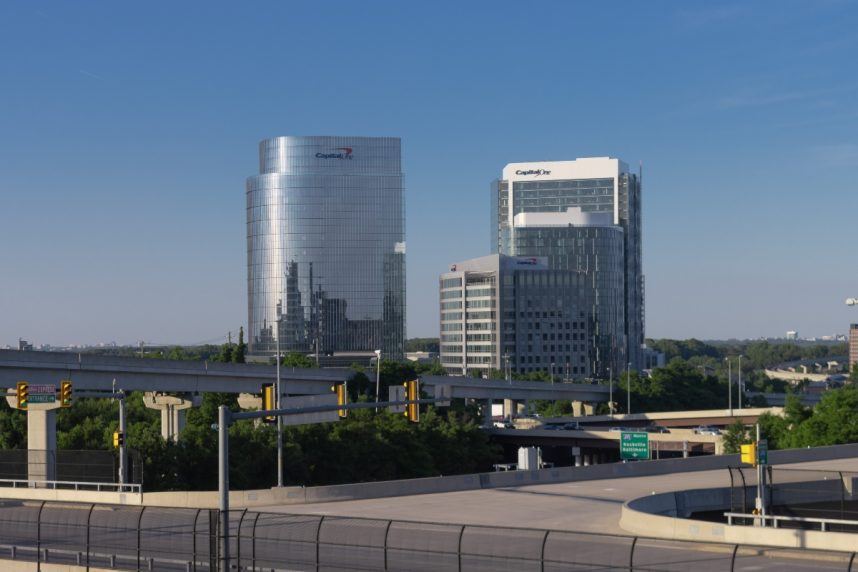
The No Fairfax Casino Coalition and the Tysons Stakeholders Alliance are collaborating to amplify their collective dissent against the potential creation of a Las Vegas-style resort in Northern Virginia. Both groups are dedicated solely to opposing gambling activities in the Tysons region.
Tysons, an unincorporated community in Fairfax County, hosts a wide array of Fortune 500 companies. It is located near McLean, which is home to the headquarters of major corporations like Capital One, Hilton Worldwide, Mars, Gannett, Freddie Mac, and Booz Allen Hamilton.
“A casino in Tysons would jeopardize the success and reputation of our thriving community,” stated the Tysons Stakeholders Alliance.
The alliance argues that casinos “have shown to divert potential patrons from local businesses,” cause property values to decrease, and trigger an “increase in crime rates.”
Casino Development Efforts
Back in 2020, Virginia legislators approved a measure allowing select cities to explore casino development, contingent on local voter support through a referendum. Casinos are currently operational, or planned, in Portsmouth, Danville, Bristol, Norfolk, and Petersburg.
All of these cities are situated in the southern part of the state. Some lawmakers believe a casino should also be established in Northern Virginia to prevent gaming revenue and taxes from being redirected to Maryland, particularly to MGM National Harbor. Despite this, opposition, particularly from state Senator David Marsden (D-Fairfax), has been strong, with no local organization backing the casino initiative.
Marsden, however, persists. He emphasizes the need for tax solutions in Fairfax to manage the region’s budget, especially as property evaluations for numerous large office structures have declined post-COVID-19 pandemic.
“You either compete or you face decline,” Marsden expressed in May during an appearance on American University’s “The Politics Hour.” “You can’t just adopt a stubborn mindset, claiming, ‘That’s not who we are.’ You must work with the hand you’re dealt.”
Marsden reiterated that the discourse surrounding the casino issue in Northern Virginia will be “intensely discussed” during the upcoming session of the General Assembly beginning in January.
A High-Cost Area
Critics argue that the numerous jobs a casino might generate would not offer salaries sufficient for workers to reside in the area. Nationally, the average salary in the casino sector is about $52,000 per annum, according to Sally Horn from the Greater Tysons Citizen Association, another anti-gambling organization.
“Based on MIT’s living wage calculator, a single adult residing in Fairfax County needs approximately $65,650 annually to cover basic expenses, while a family of four with both parents working would require more than $149,000,” Horn elaborated.
As per the 2020 US Census, Fairfax County ranks fifth in median household income, which is nearly $127,000. In contrast, neighboring Loudoun County has the highest median household income at over $147,000, while Arlington County comes in seventh with $122,600.