


Published on: December 17, 2025, 02:39h.
Updated on: December 17, 2025, 02:58h.

- Eating out in Fairfax County is set to become pricier in 2026.
- A 4% tax surcharge on meals will be implemented by the county.
- The county is against the introduction of a casino to help boost new tax revenues.
Recently, Fairfax County in Northern Virginia has formally rejected any initiatives at the state level aimed at designating the affluent area as a location for a casino. Some state representatives from Richmond, including those representing Fairfax, contend that a solution is needed to address the county’s increasing budget deficit.
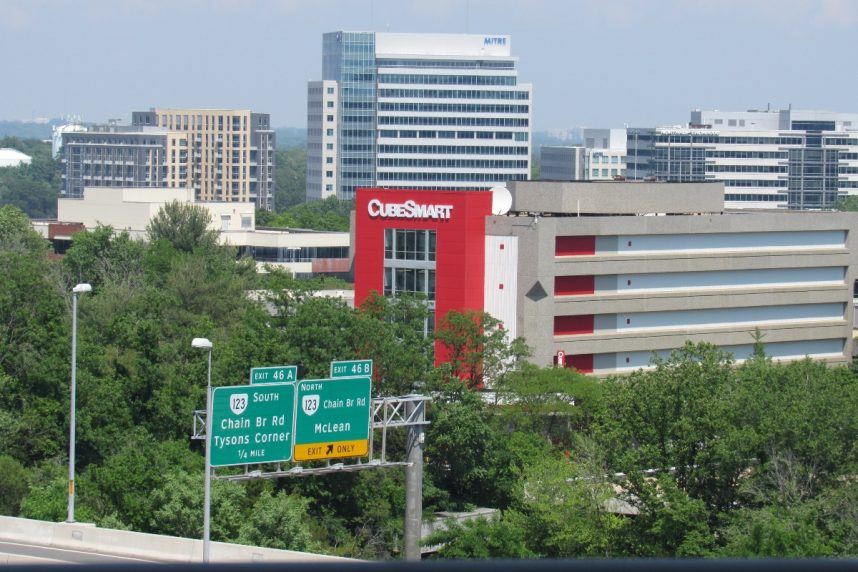
Fairfax County anticipates a funding gap of $131.5 million for the forthcoming fiscal year.
Although it is one of the wealthiest counties in the U.S., the reduction of federal government jobs during the Trump administration has intensified the county’s budgetary challenges. The financial situation has also worsened due to the COVID-19 pandemic, which led to numerous disputes over property tax assessments for commercial properties.
Job growth has been stagnant in the area, which houses several Fortune 500 companies, including Tysons and McLean. In an effort to alleviate the local government’s financial burdens, the Fairfax County Board of Supervisors plans to introduce a 4% meals surcharge starting January 1, 2026.
Meals Tax in Fairfax County
The meals and beverage tax will apply to the majority of dining establishments throughout Fairfax County.
Beginning January 1, 2026, Fairfax County will impose a tax on all prepared food and beverages sold as meals. The Food and Beverage Tax amounts to 4% of the total cost of meals and beverages offered by restaurants, caterers, or other businesses classified as restaurants under Virginia law,” states the county’s website.
A “meal” encompasses all food and beverages sold for consumption in or from a food establishment, including alcohol, whether consumed in or out of the establishment. The tax will apply to food trucks, farmers’ markets, and grocery stores that offer prepared meals.
The meals and beverage tax in the county does not extend to the towns of Clifton, Herndon, or Vienna, nor to the cities of Fairfax or Falls Church, as these areas have their own independent meals tax systems.
Major corporations like Capital One, based in McLean, will need to adjust their catering orders to account for the 4% surcharge. Employees of the financial institution, along with their counterparts across various firms in the region, will be paying 4% more for their lunches.
Tax Increases
The average cost of a single-family home in Fairfax County is approximately $1 million. Over the last decade, property taxes have surged by 50%, contributing to a higher cost of living.
State Senators Scott Surovell (D-Fairfax) and David Marsden (D-Fairfax) are advocating for giving residents the opportunity to create new tax revenues through gaming. They are likely to support legislation next year that would allow Fairfax County citizens to vote on a potential casino project.
I’ve asked between 100 to 150 people for alternative proposals, since merely establishing a corporate headquarters does not guarantee tax revenue for operations elsewhere. It just isn’t effective,” Marsden remarked on The Politics Hour in May.
“Fairfax County has become less attractive to young adults in their 20s and 30s. They are strongly in favor of the casino idea,” Marsden continued.
He added that bringing the casino decision to a public vote is “the most democratic process imaginable.” While he may not personally favor casinos, he believes that communities must adapt or face decline in the current climate.