


Published on: April 6, 2026, 01:29h.
Updated on: April 6, 2026, 01:29h.

- CFTC Authority Over Kalshi Event Contracts Affirmed by Federal Appeals Court
- New Jersey Legal Battle Exposes Tension Between State and Federal Gambling Regulations
- Inconsistent Rulings Heighten Possibility of Supreme Court Review
A federal appeals court challenged New Jersey gambling authorities on Monday, confirming that the U.S. Commodity Futures Trading Commission (CFTC) has exclusive jurisdiction over Kalshi, meaning state regulators cannot prohibit this prediction platform from allowing bets on sports events.
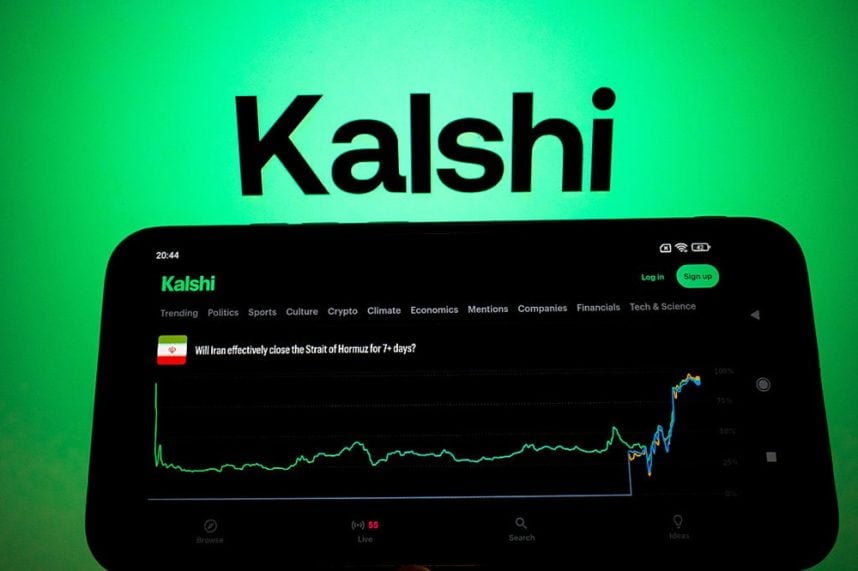
The three-judge panel ruled in favor with a 2-1 decision, upholding an April 2025 lower court verdict that deemed Kalshi’s event contracts as federally regulated financial instruments, distancing them from sports bets under state governance.
New Jersey—and numerous states nationwide—oppose this classification. U.S. Circuit Judge Jane Richards Roth, the sole dissenting judge, expressed concern that event contracts resemble betting products available on online sportsbooks, such as DraftKings and FanDuel.
Cease-and-Desist Showdown
In March 2025, New Jersey regulators issued a cease-and-desist order to Kalshi, demanding the company halt its betting operations for state residents within 24 hours. They alleged violations of state gambling laws, including offering prohibited betting types (like college sports) and operating without a state license.
Rather than comply, Kalshi initiated a lawsuit seeking a court ruling to prevent New Jersey from enforcing its gambling laws, asserting that its event contracts are regulated under federal law.
Kalshi contended that New Jersey’s enforcement threats obstructed the CFTC’s exclusive jurisdiction and emphasized that federal law supersedes conflicting state legislation.
U.S. Circuit Judge David Porter largely concurred, stating, “Kalshi’s sports-related event contracts qualify as swaps traded on a CFTC-licensed DCM, thus granting exclusive jurisdiction to the CFTC,” in his ruling on Monday.
Too Predictable?
The ruling was largely anticipated, with users on competitor platform Polymarket assigning it a 94% likelihood, but it is not the definitive answer to the dispute.
Similar legal challenges are unfolding nationwide, with courts reaching varying conclusions on whether prediction markets should align with federal derivatives laws or fall under state gambling regulations.
Judges in Nevada and Massachusetts have previously sought to restrict Kalshi’s offerings through state legislation, while another federal appeals court on the West Coast is preparing to address the matter.
The CFTC has also engaged in the debate, filing lawsuits against various states to assert its supremacy over such markets.
With conflicting judicial outcomes, the question of whether federal law prevails over state gambling regulations may ultimately require resolution from the US Supreme Court.