


Published on: January 8, 2026, at 07:49h.
Updated on: January 8, 2026, at 07:50h.

- A Florida senator aims to eliminate DEI from the gaming sector
- The legislator is also advocating for stricter penalties regarding illegal gambling
A senator from Florida is looking to transform the state’s gaming sector by eliminating diversity, equity, and inclusion (DEI) mandates and imposing harsher penalties on those found operating or collaborating with illegal gambling establishments.
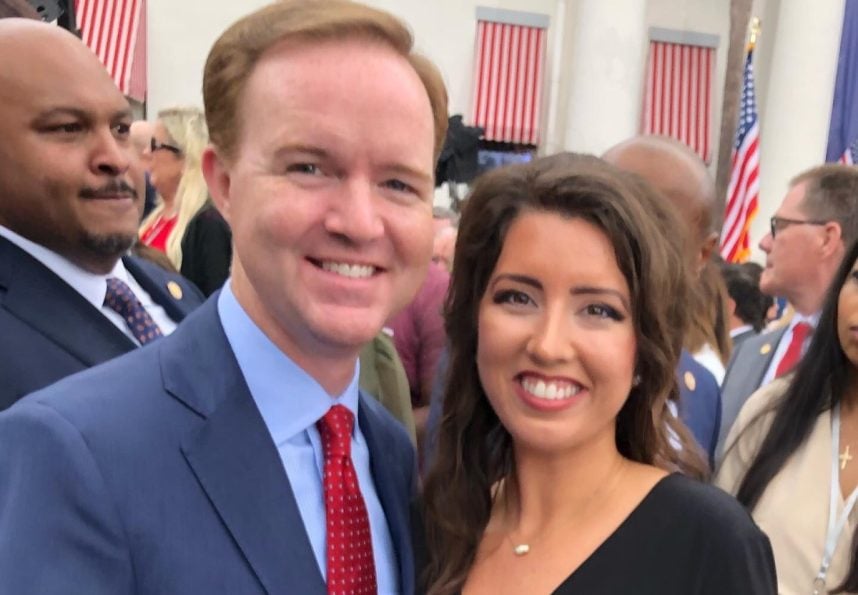
Sen. Clay Yarborough (R-Nassau), a prominent figure in Florida’s Republican landscape, aims to leverage the 2026 legislative session to advance the removal of DEI mandates. In addition to proposals targeting local government DEI practices, Yarborough has introduced Senate Bill 1164, seeking to eliminate the requirement for diverse appointments within the five-member Florida Gaming Control Commission (FGCC).
The proposed SB1164 intends to eliminate wording that suggests the FGCC “shall consider appointees who reflect Florida’s racial, ethnic, and gender diversity.” Governor Ron DeSantis (R), who holds the authority to appoint members to the FGCC, has expressed support for Yarborough’s DEI initiatives.
“Florida has taken the lead in the nation on eliminating DEI. Now, Sen. Yarborough has put forth a bill to eradicate DEI in government. Let’s move forward,” DeSantis stated on Wednesday.
The Florida gaming commission is responsible for regulating pari-mutuel wagering, cardrooms, and slot machine venues in Miami-Dade and Broward counties. The authority also oversees gaming agreements and other gambling activities sanctioned by the Florida State Constitution or applicable laws, excluding the state lottery.
Proposed Felony Penalties
A vital aspect of SB1164 is that individuals convicted of operating an unlicensed gambling enterprise in Florida would face increased penalties.
Florida faces a significant issue with illegal gambling, with unauthorized slot “arcades” operating in retail centers and strip malls throughout the state. Currently, penalties for running unlawful slot machines only entail misdemeanor charges, which are deemed inadequate as deterrents, particularly for exploiting Florida’s senior residents, according to Attorney General James Uthmeier.
Yarborough’s legislation suggests elevating the charges from a second-degree misdemeanor to a third-degree felony for anyone who manages a gambling establishment. This heightened classification would apply to individuals with direct or indirect control over the illegal gambling operation.
Employees are also affected. While they would continue to face misdemeanors of the first degree for initial offenses, subsequent infractions could escalate to a third-degree felony and, for further violations, possibly even a second-degree felony.
Landlords knowingly leasing space for illegal gambling would face a third-degree felony for initial offenses, escalated to a second-degree felony for repeated violations.
DEI Initiatives Nullified
In relation to other DEI conditions outlined in Yarborough’s SB1164, slot licenses in Miami-Dade and Broward counties will no longer have to prioritize minority vendors and contractors.
Moreover, parimutuel slot establishments will no longer be required to focus on hiring minority workers or to report their minority hiring successes to the FGCC. Eight parimutuel operations in these two counties currently hold slot privileges from the FGCC.