


Published on: November 5, 2025, 09:44h.
Updated on: November 5, 2025, 10:15h.

- UFC’s Dana White reports discussions with the FBI regarding the Isaac Dulgarian incident
- Ongoing examination of illicit gambling practices involving NBA players and coaches
This morning, I found myself unsettled and increasingly fatigued by the ongoing discussions around the threats posed by gambling, particularly in light of recent controversies involving the NBA and UFC.
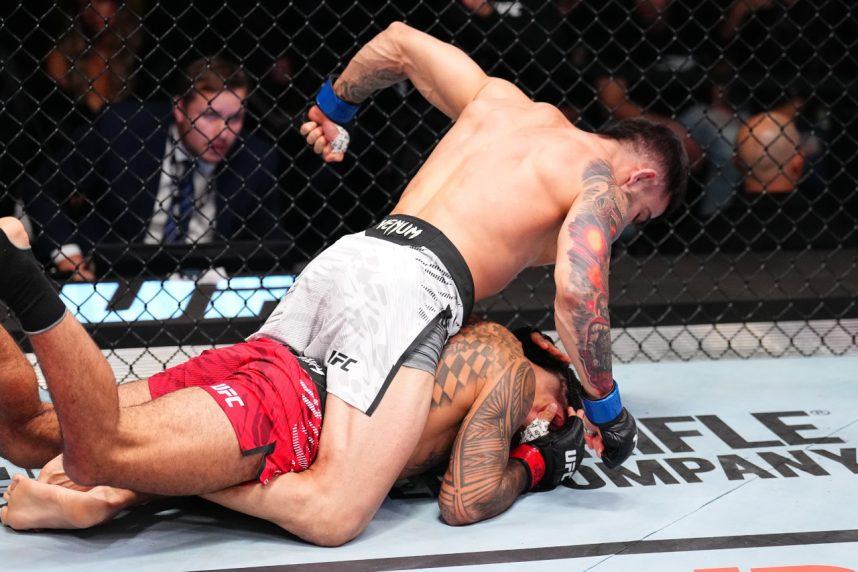
The latest development: UFC President Dana White has confirmed meetings with FBI representatives regarding suspicious betting practices at UFC Vegas 110. In this particular event, featherweight Isaac Dulgarian, who entered as a significant favorite, faced an unexpected defeat against Yadier del Valle via submission in the first round.
The betting integrity firm IC360 highlighted unusual betting patterns relating to del Valle’s victory in Round 1, indicating notable shifts in the betting odds before the fight.
Following the match, the UFC released Dulgarian, while his team vehemently denies any wrongdoing. The inquiry continues.
While both incidents pose potential risks, I choose to focus on the silver linings presented by the NBA and UFC controversies: uncovering potential wrongdoing while shedding light on the hidden side of sports wagering.
Indeed, I advocate for an expansion of initiatives like IC360, which oversees betting at authorized sportsbooks, and alerts them to irregular betting activities, thereby delivering substantial value to their clients. This proactive approach was evident during the UFC’s recent situation.
More funding and resources for organizations like IC360, as well as the establishment of additional regulatory bodies, could make a significant impact.
Strict Measures Needed
It’s likely there are more professional athletes placing bets on games, even the ones in which they are actively participating. This reality indicates that more stories may surface. When they do, the critical factor will be how firmly governing bodies are prepared to act.
If the allegations concerning Dulgarian are substantiated, indicating he manipulated his performance for betting gains, he deserves severe repercussions, perhaps even returning to teach elementary school. A move beyond professional sports should certainly apply.
Similarly, should any NBA players be found guilty of altering their gameplay for gambling outcomes, they too should be relegated back to street courts, free to indulge in personal bets.
The Need for Regulation
Sports betting and online gaming are a permanent fixture in today’s landscape. The reality is they are here to stay, driven by substantial tax revenues that will only continue to escalate.
Thus, it’s time to allow adults to engage responsibly while imposing stronger regulations aimed at continual improvement.
Efforts to regulate sports betting advertising, such as those expected in Canada, are on the horizon with the current ruling Liberal government facing no-confidence votes. The proposed legislation is likely to advance through the Senate soon.
As a result, new standards for sports betting advertising are imminent.
Gambling has been a part of human culture since time immemorial, and it’s now deeply entrenched in our society. However, recent developments indicate that regulatory bodies are improving their monitoring compared to the early days of Ontario’s regulated market, which launched in 2022. Licensed sportsbooks are now excelling at identifying at-risk gamblers and proactively engaging them.
Kiner-Falefa Incident
As I pointed out recently, there will always be troublemakers. I felt angered upon hearing about the treatment of Blue Jays infielder Isiah Kiner-Falefa last Saturday.
Kiner-Falefa found himself at the center of what could be termed a gut-wrenching loss, dealing with the fallout from Game 7 of a World Series, only to receive harassment on his phone, which even included a threat to his safety.
I support Red Sox pitcher Lucas Giolito, who faced similar digital harassment. Tech companies must take stronger actions against individuals issuing threats, such as the one aimed at Kiner-Falefa. It’s unclear whether this individual stemmed from angry gambling losses or was simply another disgruntled fan. Either way, such behavior demands serious consequences.
There must be accountability for the issuance of such threats.
Online Harassment
As a sports enthusiast who doesn’t frequently gamble, I found myself close to forfeiting a substantial payout from a $40 World Series bet on the Blue Jays, which turned into a $1,500 payoff in September.
I initially panicked over Bo Bichette’s injury and the weak bullpen, opting to take the cash. What a turn of events! The Blue Jays almost clinched it all, leaving me to explain to my friends how I missed out.
Despite the tension, the experience was enjoyable overall. This is what matters to me. For many, including myself, sports betting simply enhances the overall enjoyment of viewing sports.
Enhancing the Viewing Experience in Professional Sports
In several instances, this enhancement is indeed tangible.
Have you watched the NHL’s Maple Leafs lately? It’s akin to enduring three hours of parliamentary sessions—uninspiring and utterly tedious, showcasing millionaire players who have upheld a legacy of non-achievement for over sixty years.
Sports betting injects a newfound interest in watching them. Placing a bet on a Leafs-Penguins parlay gives viewers a reason to engage with otherwise inconsequential matches.
The Blue Jays provided a thrilling month of sports drama, energizing an entire nation, and now they’ve concluded their season. With four long months of winter ahead, I’m thankful for licensed sports betting.