


Published on: March 6, 2026, 10:34h.
Updated on: March 6, 2026, 10:34h.

- Is a Michigan gaming tribe financing opposition efforts against a casino in Northeast Indiana?
- CEO Daniel Lee of Full House Resorts speculates on the backers of the anti-casino initiative
During a full-year earnings conference call on Thursday, Full House Resorts CEO Daniel Lee suggested that a Native American tribe from Southern Michigan may be providing financial support to an opposition group against a commercial casino planned for Northeast Indiana.
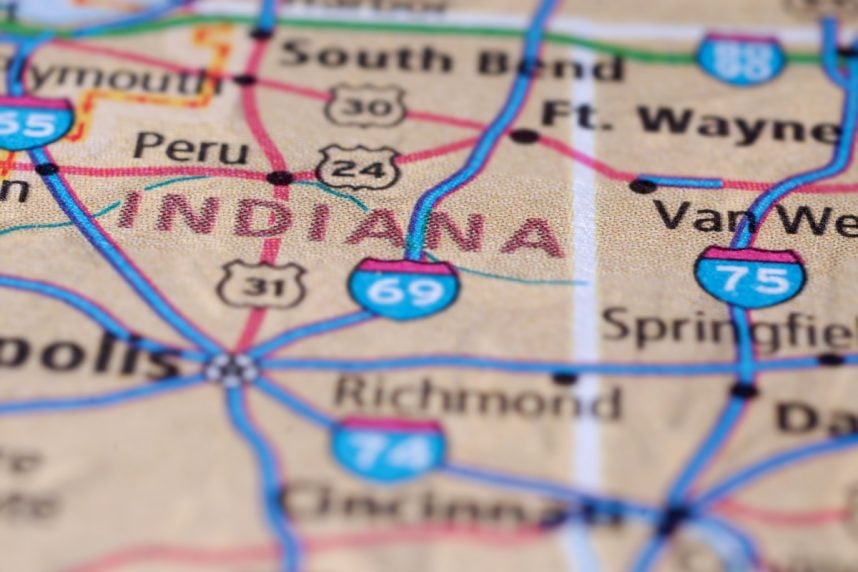
Earlier this month, Indiana Governor Mike Braun (R) enacted House Bill 1038, which enables the counties of Allen, DeKalb, and Steuben to conduct a referendum regarding the establishment of a casino featuring slot machines, table games, and a sportsbook.
The legislation was proposed at the behest of Full House, which aims to move its gaming license from Rising Sun to a more promising market. Initially, the bill sought to allow Full House to close its Rising Star Casino in Ohio County and construct a new gaming venue, likely in or around Fort Wayne.
However, during the legislative process, lawmakers revised the provisions to establish a new gaming opportunity. The license allocation was adjusted to permit “any operator of a brick-and-mortar casino located in the United States” to apply, rather than exclusively granting it to Full House.
Opposition in Fort Wayne
Full House has identified Fort Wayne, the second-largest city in Indiana, as a prime location for casino development. Immediately following their announcement, a financially-backed opposition group known as “Save Fort Wayne” surfaced.
This campaign claims support from local business owners and “concerned residents,” who wish to remain unnamed due to the sensitive nature of the issue. Lee suspects that a gaming tribe from Southeast Michigan may be the true supporter behind this initiative.
“I believe it’s an Indian tribe from Southern Michigan or similar, likely someone who would be negatively impacted by this,” Lee remarked during the earnings call. “It’s evident that it is well-funded by someone.”
Lee further pondered whether the casino opportunity designated by HB1038 remains attractive considering lawmakers have mandated a $150 million upfront fee and a minimum investment of $500 million, resulting in a total entry cost of $650 million. He implied that Full House might retain operations in Rising Sun.
“This is a lengthy and rapidly changing process. The bill underwent multiple revisions. We will continue to monitor it closely. We generate profit in Rising Sun. While not substantial, we have always made a profit. This will continue to serve our shareholders as well as benefit the state,” he added.
Protection for Ohio County, Not Full House
The Indiana gaming bill provides protection for Ohio County, as $50 million of the $150 million licensing fee is allocated to the “shuttered riverboat fund.” This fund will assist any county impacted by the closure of a casino in relocating to the Northeast region.
Initial drafts of HB1038 included safeguards for Full House, in the event they did not win the bid for the new gaming opportunity. However, these protections were stripped from the final version of the bill to facilitate its passage.