


Published on: December 17, 2025, 07:57h.
Updated on: December 17, 2025, 07:57h.

- The slot tax reporting limit will rise to $2,000 in 2026
- The previous limit of $1,200 has remained unchanged since 1977
After extensive deliberation, the Internal Revenue Service (IRS) has clarified that the tax provision within the “One Big Beautiful Bill Act” will indeed raise the tax reporting limit for winnings from slot machines.
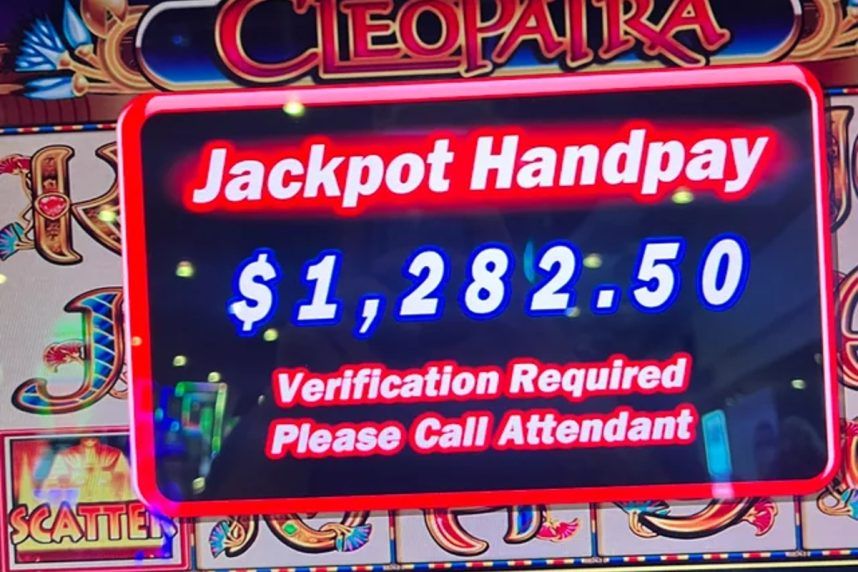
Since 1977, federal laws have mandated that casinos issue handpays for slot wins of $1,200 or higher, accompanied by a W-2G tax form for reporting gambling winnings to the IRS.
Starting on January 1, 2026, this reporting limit will be raised to $2,000, with annual adjustments tied to inflation moving forward.
“For calendar years following 2025, the minimum threshold for reporting specific payments and backup withholding on certain information returns, such as the Form W-2G, will be adjusted annually for inflation. The minimum threshold for payments made in calendar year 2026 is set at $2,000,” stated the IRS in a draft outlining W-2G reporting changes beginning in 2026.
This draft will be executed once it receives formal approval from the Office of Management and Budget, which is under the jurisdiction of President Donald Trump and is responsible for overseeing policy implementation, budgetary matters, and regulatory goals.
Consequently, casinos nationwide will need to update their slot machines to initiate handpays only when winnings exceed $2,000. This adjustment is welcomed by the gaming sector, which has long argued that the $1,200 limit is outdated and imposes unnecessary delays for players awaiting their winnings and associated paperwork.
Increase in Slot Tax Reporting Threshold
Buried within the Republican tax and spending package was an increase to the 1099-MISC forms, raising the reporting threshold from $600 to $2,000 for independent contractors and temporary workers.
Initially, there were questions regarding whether this procedural shift would also impact the W-2G form. In July, Casino.org consulted the Tax Law Center at NYU Law for clarity. Sophia Yan, an attorney-advisor there, previously served as a tax law clerk on the Senate Finance Committee and noted:
“I concur with the interpretation that the slot tax reporting threshold will rise from $1,200 to $2,000 due to the OBBBA. The Form W-2G enforces reporting requirements as specified in regulations at 26 CFR 1.6041-10, which outline reportable gambling winnings at various levels starting from $600, depending on the game’s nature. However, these guidelines enforce Section 6041(a) of the Code, which mandates reporting of ‘gains, profits, and income’ starting at $600,” explained Yan.
“The modification in Section 6041(a) from the OBBBA seems to set a new base threshold of $2,000 for reporting across the board,” she added.
Impact on Wins and Losses
Although the slight increase in the slot tax threshold is a positive development for the gaming industry and its patrons, another aspect of the “One Big Beautiful Bill Act” could have more significant repercussions.
Starting next year, the legislation will lower the allowable losses a gambler can deduct against winnings from 100% to 90%. Industry advocates argue that this change requires players to pay federal taxes on earnings they didn’t technically gain, such as when a gambler wins $100K but also incurs $100K in losses throughout the year; they would still face taxes on $10K.
Members of Nevada’s congressional delegation are actively pursuing legislation aimed at reinstating the full gambling losses deduction.