


After conflicting rulings on prediction market cases by the Third and Ninth Circuit Courts of Appeals, there is a growing consensus in the investment and legal sectors that the U.S. Supreme Court will soon hear one of these cases.
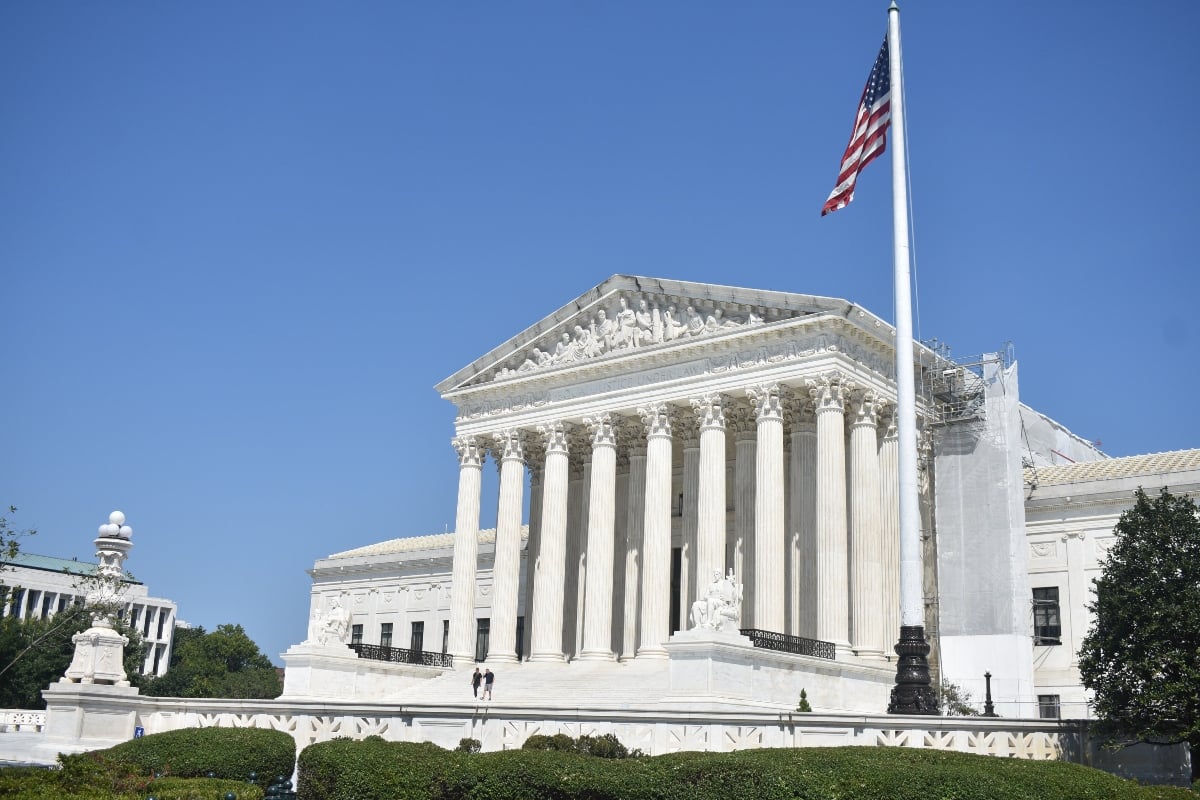
Analyst David Katz predicts a Supreme Court hearing between November and April next year, following the diverging rulings of the Third and Ninth Circuit courts.
The Third Circuit ruled in April that all event contracts are considered swaps under the purview of the Commodity Futures Trading Commission (CFTC), while the Ninth Circuit more recently determined that sports event contracts are not swaps regulated by the CFTC.
After the Ninth Circuit’s decision, New Jersey, a state in the Third Circuit, is urging the Supreme Court to address the issue.
“We’re asking the Supreme Court to resolve this matter and acknowledge that Congress did not make the sports betting industry exempt from state law,” stated New Jersey Attorney General Jennifer Davenport (D).
Prediction Markets Future Uncertain, But…
There is anticipation that the Supreme Court will eventually hear a prediction market case, leading to speculation on potential outcomes.
Katz notes that the main risk for prediction market operators is not a ban but the possibility of other unfavorable factors affecting the industry.
“We foresee the most likely outcome to involve financial erosion through taxes, compliance costs, geofencing, product restrictions, and state-by-state segmentation,” says Katz. “North Carolina’s planned 6% prediction market tax in 2027 versus a 23% online sports betting tax highlights the potential conflicts.”
Experts suggest that prediction market operators are favoring federal regulation to avoid the complex state-level regulatory and tax landscape faced by sportsbook operators.
Legal Clarity Could Benefit Gaming Stocks
Katz, like many others, believes that resolving legal ambiguity around prediction markets could positively impact certain gaming stocks.
“Ultimately, any legal clarity is seen as a positive for our coverage compared to the current uncertainties,” wrote Katz.
Separately, Katz points out the growing importance of vertical integration in the prediction market sector due to low fee yields. Companies like Crypto.com, DraftKings, FanDuel owner Flutter Entertainment, and Robinhood Markets are adopting this model.
“Fee yields remain low, with exchange economics typically at a fraction of a percent of traded volume,” Katz concludes. “Estimates show that DKNG has generated around $5 million in taker fees on approximately $84 million of volume since mid-June, underscoring the reliance on maintaining substantial liquidity and event-based participation akin to online sports betting models.”