


Published on: December 9, 2025, 11:41 AM.
Updated on: December 9, 2025, 11:41 AM.

- Kalshi and other prediction markets in legal disputes with various states
- Legal expert anticipates resolution through SCOTUS
- High court hearings may take several years
Kalshi, along with Robinhood Markets (NASDAQ: HOOD) and other key players in the rapidly expanding prediction markets sector, is currently facing several legal challenges at the state level, with a potential resolution expected through the Supreme Court of the United States (SCOTUS).
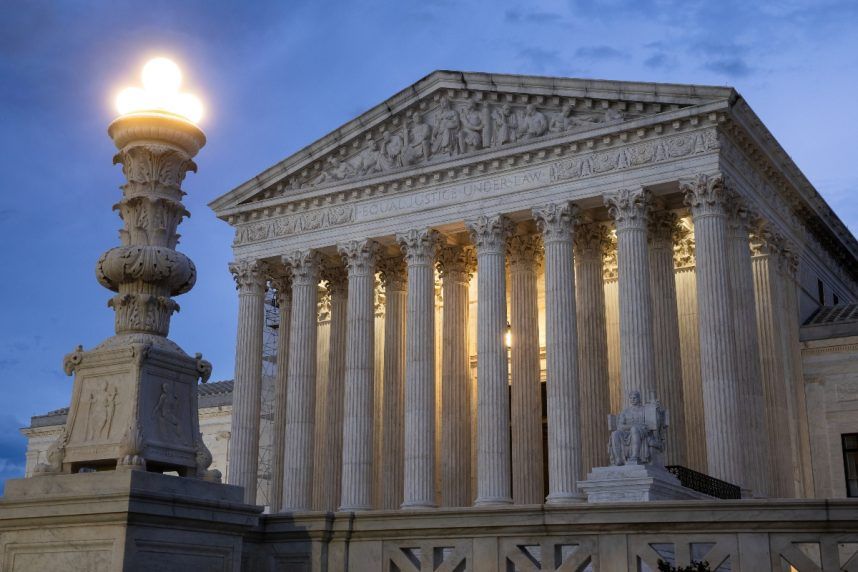
This viewpoint is echoed by Andrew Kim, a partner at Goodwin Proctor LLP, who recently discussed with Stifel analyst Jeffrey Stantial. Kim believes that it’s a matter of “when, not if” the Supreme Court will come to a resolution regarding the ongoing legal challenges surrounding prediction markets. According to Stantial’s report to clients, SCOTUS could be involved with these cases as early as mid-2026, or as late as 2029, with various possibilities in between.
The unpredictability of outcomes remains, as the probability may shift with every ruling. However, the implications could partially guide SCOTUS’s decision, especially if there are risks to other entities whether sports events are banned or allowed,” the analyst comments.
He further notes that Nevada’s recent decision against Kalshi’s preliminary injunction represents a victory for states pursuing legal action against prediction market operators who offer sports event contracts, although outcomes may differ from one state to another.
SCOTUS Might Await Further Case Developments
Kalshi and other operators of prediction markets are under the purview of federal regulation by the CFTC. Critics allege that Kalshi is leveraging a perceived loophole to provide yes/no contracts on sports events that essentially function as wagers across the nation. Kalshi contends it is not a sportsbook, and that federal preemption permits the trading of these derivatives nationwide.
According to Stantial’s analysis, Kim suggests that SCOTUS may opt to wait for more state-level decisions, such as Nevada’s. Political factors may also play a role.
“Given the current trajectory, he (Kim) envisions SCOTUS potentially delaying until the new administration takes office in 2029,” the analyst adds. “While he refrained from predicting the court’s ruling, Mr. Kim highlighted SCOTUS’s past tendencies to favor states regarding preemption issues, although he noted each situation is distinct with valid arguments on both sides of the prediction markets debate.”
Due in part to Donald Trump Jr.’s role as an advisor for Kalshi and Polymarket, some speculate that prediction markets have become a partisan matter. Some believe a Republican administration could favor the industry, while a Democrat administration in 2028 might pose challenges. Nonetheless, it is important to note that several venture capitalists backing Kalshi are significant contributors to Democratic candidates and committees. Similarly, Cooley LLP — Kalshi’s legal representation — allocated over 92% of its political donations in the 2024 electoral cycle to Democrats.
Three Possible Outcomes
During his conversation with Stantial, Kim identified three potential outcomes for Kalshi and similar entities against the states. Firstly, if the states prevail on preemption, it would likely necessitate the suspension of prediction markets’ sports contract offerings until they secure appropriate licensing for sports betting.
Secondly, Kalshi could prevail on preemption grounds, with SCOTUS possibly broadening the definition of swaps to encompass sports event contracts and potentially those linked to casino games, although Kim indicated that this scenario is less probable. Thirdly, Kalshi might win the preemption case, but SCOTUS could narrow the definition of swaps to exclude derivatives lacking “economic consequence.”
“On this final note, he mentioned that Kalshi’s legal team may have inadvertently conceded in the New Jersey case that some player propositions might not qualify as swaps,” concludes Stantial.