


Published on: April 6, 2026, 06:07h.
Updated on: April 6, 2026, 06:07h.

- This is a consolidated legal case also involving Crypto.com and Robinhood.
- The case revolves around the appeal of prediction market operators regarding a Nevada court ruling that classified event contracts as a form of gambling.
- Kalshi achieved a significant victory today in the Third Circuit Court.
Enthusiasts of legal and political conspiracy theories might find some new material as the US Court of Appeals for the Ninth Circuit gears up to deliberate what many see as a pivotal case in prediction markets.
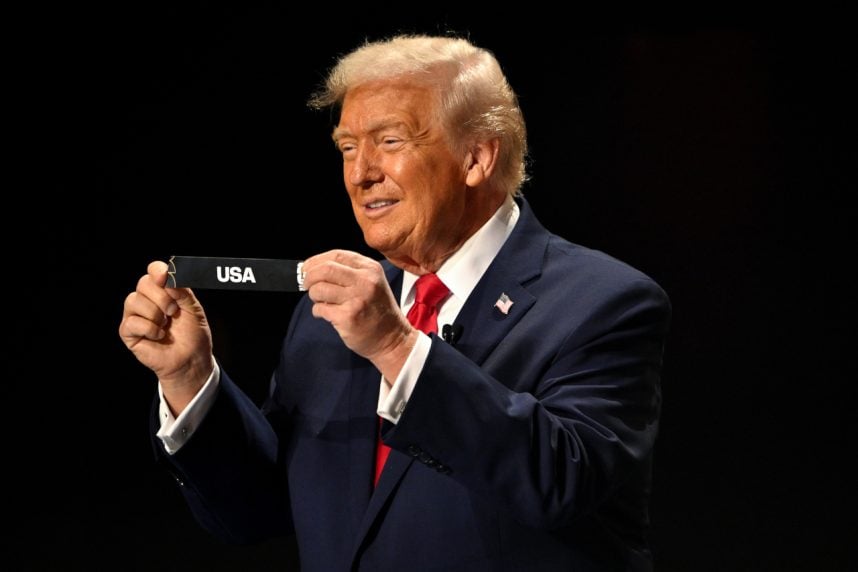
It has come to light that the three-judge panel set to hear this consolidated prediction markets case includes Bridget Bade, Kenneth Lee, and Ryan Nelson, all appointed by President Trump. This fortunate selection for Crypto.com, Kalshi, and Robinhood Markets, the appellants, has led some legal analysts to consider it a favorable turn in their quest to challenge a previous ruling by a lower federal court in Nevada, which deemed event contracts as equivalent to gambling. This ruling imposed substantial limitations on the range of prediction markets available in that state.
Speculation abounds surrounding the prediction markets sector’s right-leaning tendencies, particularly due to Donald Trump Jr.’s advisory role with both Kalshi and Polymarket, alongside his investment in the latter. This narrative gained traction recently when the Trump Administration, via the Commodities Futures Trading Commission (CFTC), initiated lawsuits in Arizona, Connecticut, and Illinois, claiming those states are overreaching in their regulation of yes/no exchanges.
Despite this, several recently proposed bipartisan bills in Congress targeting insider trading within prediction markets indicate a more nuanced landscape. Notably, some states engaged in litigation against Kalshi and others were won easily by President Trump during his electoral campaigns.
Coincidence Over Conspiracy
Judges in all US circuit courts of appeals are assigned through a digital randomization process, making it a coincidence rather than a conspiracy that the prediction markets case fell into the hands of three Trump appointees.
The Ninth Circuit is the largest among US circuit courts, overseeing 13 lower courts across nine states and two territories. Its composition includes 29 judges, of which 24 hold senior status, the most populous of any circuit court.
For those clinging to conspiracy theories about the prediction markets case, the odds are not in their favor. Ten of the current judges on the Ninth Circuit, including the aforementioned trio, were appointed by Trump, slightly more than the eight appointed by President Biden. Hence, any case heard by this court has a reasonable chance of including three Trump appointees.
Although it is often viewed as left-leaning, likely due to the political inclinations of some states within the circuit, the Ninth Circuit displays a more diverse political makeup among presidential appointees than many casual observers might assume. A total of 16 current judges were appointed by Democrat presidents, including Biden’s eight, while 13 were appointed by Republican presidents.
Encouraging News for Kalshi
While it remains uncertain whether the prediction market operators will experience a stroke of luck in the Ninth Circuit, Kalshi undeniably secured a vital legal victory today in the Third Circuit Court.
In a 2-1 decision, the judges determined that Kalshi’s event contracts are federally mandated derivatives, which means the state of New Jersey lacks regulatory authority over them.
This ruling raises the possibility that the Ninth Circuit may reach a similar conclusion, potentially undermining Nevada’s attempts to regulate sports event contracts.