


Jurors commenced deliberations on Monday (Aug. 31) in the murder trial of Duane “Keffe D” Davis, marking the final stage of a case that has remained unresolved for nearly three decades.
Davis, now 63, stands as the sole individual ever indicted in connection with the 1996 shooting that resulted in the death of Tupac Shakur near the Las Vegas Strip and the injury of Death Row Records co-founder Marion “Suge” Knight, who sustained a grazing head wound during the incident.
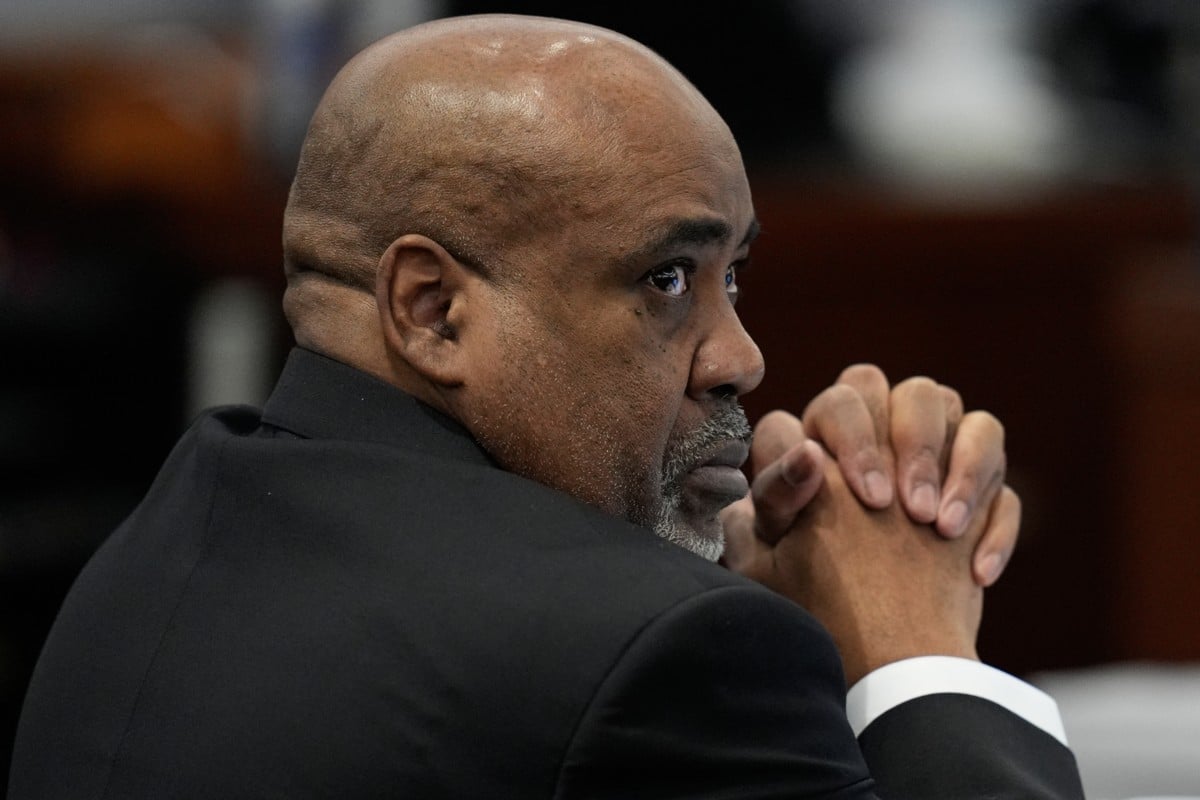
Davis has entered a plea of not guilty to one count of murder with a deadly weapon, including an allegation that the offense was committed to promote, further, or assist a criminal gang. Prosecutors are not pursuing the death penalty; a conviction could result in life imprisonment.
The prosecution’s argument heavily relies on Davis’s own admissions. Physical evidence linking him to the shooting is scarce, and prosecutors have instead emphasized statements made by Davis over the years to law enforcement, media, and in his 2019 memoir, Compton Street Legend, which he has since tried to distance himself from.
In these accounts, Davis detailed his presence during the attack and claimed to have provided the gun used. Prosecutors do not assert that he fired the weapon. They contend that these confessions amount to orchestrating the attack and arming the shooter; Davis’s defense asserts that they are not reliable, exaggerated, or taken out of context.
Unconventional Approach
In a unique strategy, Davis’s lawyer openly challenged his client’s credibility. During his opening statement, Michael Sanft informed jurors that “there are no facts to point to Keffe,” arguing that his client’s past statements are not substitutes for evidence. The defense posits that Davis inflated his role in the shooting for personal gain and that prosecutors are now attempting to turn those narratives into evidence.
Prosecutors argue that Davis was the “shot caller” who planned the attack as retribution for a prior altercation at the MGM Grand. Prior to the shooting, following a Mike Tyson fight at the hotel, Shakur and his entourage reportedly assaulted Davis’s nephew, Orlando Anderson, in the hotel lobby. Investigators claim that this beating triggered a series of events that led Davis and other South Side Crips members to locate Shakur’s vehicle later that night.
The state has also outlined the gang affiliations that influenced the relationships in the case. Prosecutors state that Davis held a leadership position within the South Side Crips, a gang based in Los Angeles. Recorded interviews played for the jury show Davis alleging ties between the crew and Bad Boy Records, the label established by Sean “Diddy” Combs — a claim that remains unverified at trial.
Shakur and Knight were linked to the Mob Piru faction of the Bloods, which maintained close ties to Death Row Records. Authorities argue that the rivalry between these groups set the stage for the deadly confrontation.
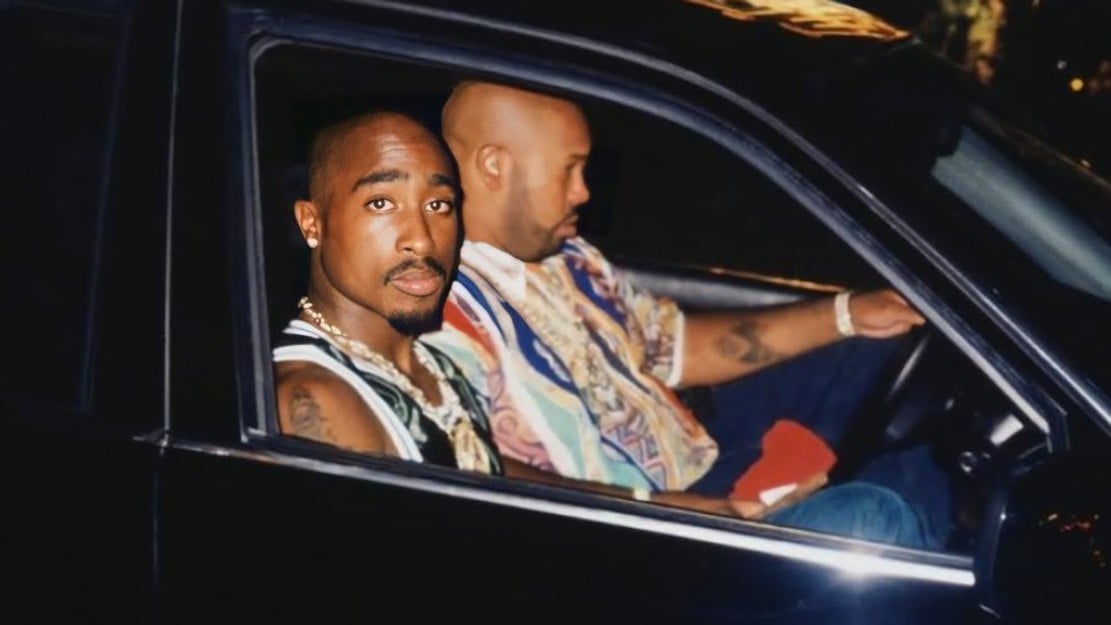
The shooting transpired on Sept. 7, 1996, when a white Cadillac pulled up next to the BMW carrying Shakur and Knight at Flamingo Road and Koval Lane, an intersection east of the Strip.
Gunshots were discharged from the Cadillac, striking Shakur multiple times. He succumbed to his injuries six days later at University Medical Center. Anderson, long identified by Davis as a passenger in the Cadillac, was never charged and was himself killed in 1998.
Over the course of nine days, the jury heard testimony at Clark County District Court in Las Vegas, with the state presenting around two dozen witnesses, and the defense calling three before resting within roughly 90 minutes.
Now, the jury must determine whether Davis’s past statements prove guilt beyond a reasonable doubt or if the lack of physical evidence introduces too much uncertainty. The verdict will ascertain if the sole individual ever indicted in Shakur’s murder is legally culpable for one of the most notorious crimes in music history.