


Published on: December 3, 2025, at 07:21h.
Updated on: December 3, 2025, at 10:12h.

It’s hard to imagine, but the land along the Las Vegas Strip was once so affordable that it hosted a drive-in theater. For nearly twenty years prior to the rise of high-rises, families would pay just 50 cents to drive in, grab a speaker from a pole, and relax in their Ford Custom sedans while watching Hollywood double features from cozy mohair seats.
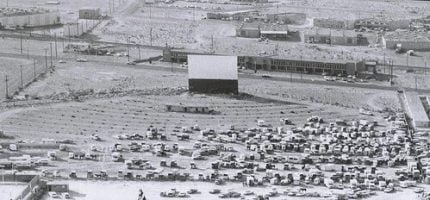
The Motor Vu (a clever name, right?) opened its doors on March 25, 1949, at 1300 W. Genting Boulevard, situated just behind an empty lot south of the Frontier. Operated by the De Anza Co. from Los Angeles, the Motor Vu could accommodate 525 vehicles, featuring its initial screenings of the western film “Kit Carson” and the comedy “Blondie’s Reward.”
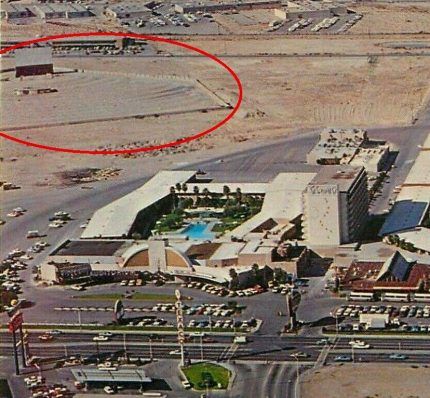
By the mid-1950s, the appeal of outdoor cinema began to wane. With the rising ownership of televisions and the introduction of air-conditioned indoor theaters, comfort during those hot desert nights became too enticing to resist.
As attendees dwindled, the Motor Vu shut down in 1956, leaving the site idle.
Stardust Memories
During this time, construction on the adjacent Strip property was underway. After several delays and financial issues, the Stardust Resort and Casino opened on July 2, 1958, marketed as the world’s largest hotel with 1,065 rooms and a 16,500-square-foot casino. Its neon sign, crafted by Kermit Wayne, became a defining feature of the Strip.
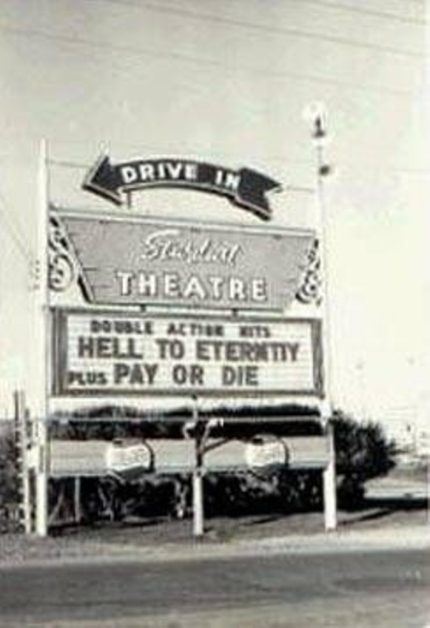
Seizing the opportunity, new operators Howard Cahoon and E.J. Johnson revived the theater on March 20, 1959, rebranding it as the Stardust Drive-In. Despite having no formal ties to the Stardust, the casino resort allowed them to use its name, fostering a unique cultural connection.
This was the only drive-in cinema in the world that had an association—at least in the public’s perception—with a casino resort. Consequently, it focused more on war and crime dramas rather than family-friendly films.
However, the unrelenting economics of operating a drive-in in a prime area soon became evident. By the 1960s, land prices along the Strip had soared, making a low-revenue movie venue an increasingly impractical use of such valuable real estate.
The Stardust Drive-In closed its doors for good in 1968. Its screen was taken down by 1973. Following that, the site became home to Budget Suites of America, which opened in 1987 and was ultimately demolished in 2015 to pave the way for Resorts World.
“Lost Vegas” is an occasional feature by Casino.org highlighting the overlooked history of Las Vegas. Click here to explore other articles in this series. Do you have a fascinating Vegas story from the past? Reach out at [email protected].