


Published on: January 22, 2026, 12:44h.
Updated on: January 21, 2026, 03:11h.

- Macau is witnessing an unprecedented surge in individuals seeking assistance for gambling addictions
- A record-breaking number of individuals opted for self-exclusion from casinos in 2025
In Macau, there’s a marked increase in problem gambling cases. This spike in individuals seeking support coincided with the region’s casinos shifting their focus from high rollers to a broader audience.
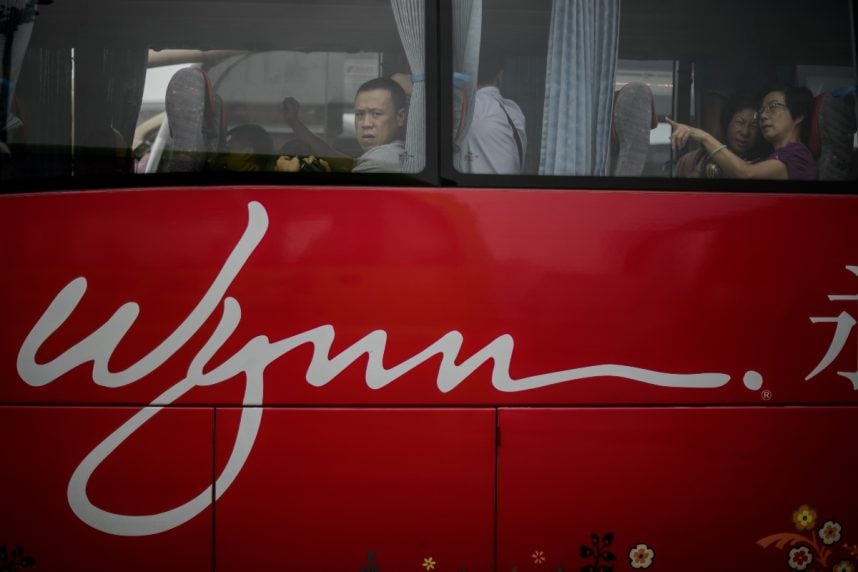
Macau stands as the largest gaming market globally, with its six gaming operators generating a whopping $30.9 billion from table games and slot machines in 2025. This figure marks the highest annual gross gaming revenue (GGR) since 2019.
However, the landscape through which Macau generates GGR has significantly transformed post-COVID-19 pandemic. Once a gaming sanctuary primarily for China’s elite, Beijing utilized the pandemic as a catalyst for change.
The Chinese government, under President Xi Jinping, dismantled the VIP junket model, which had been instrumental in facilitating monetary transfers from the mainland to this Special Administrative Region, often viewed as a tax haven.
In the past, junkets and casinos collaborated to attract affluent mainland clients, offering them credit reflective of their initial investment into extravagant trips. These high rollers would often engage in private, high-stakes baccarat sessions, with bets exceeding $10,000.
Gambling Challenges in Macau
In exchange for extending gaming licenses for another decade, Beijing and Macau required major casinos, including Sands, Wynn, MGM, Galaxy, Melco, and SJM, to inject $16 billion into non-gaming ventures. This initiative aims to rebrand Macau from a pure gambling haven to a family-friendly, leisure travel destination.
The once-popular VIP gambling rooms are now a rarity. Macau casinos have broadened their marketing strategies, and their hefty investments in non-gaming are simultaneously contributing to gaming revenues. Yet, local authorities suggest this shift is also fueling gambling issues.
According to Macau’s Gaming Inspection and Coordination Bureau, a total of 828 individuals opted for self-exclusion in 2025. This is a significant rise compared to the 475 individuals who sought self-exclusion in 2024.
From 2013 to 2019, the self-exclusion program averaged 341 enrollments annually, with numbers declining to 254 in 2020, then rising again to 418 in 2023.
Additionally, 124 individuals were excluded through third-party applications last year, typically initiated by family or friends, requiring the individual’s consent for the exclusion to take place.
Exclusions also include those requested directly by casinos. Excluded individuals are barred from entering Macau’s casinos for a two-year duration.
Macau’s Market Evolution
With the reformation of the Macau gaming industry underway, analysts from S&P anticipate a stabilization of gaming revenues following a three-year growth phase.
“The booming gaming market in Macau is losing momentum. The sector is transitioning from a strong rebound post-pandemic to a phase driven more by market maturity as capacity limits and softened demand temper growth conditions,” the S&P report indicated.
“We project that revenue growth will decelerate in 2026, but stable operations, selective market share increases, and financial restructuring will continue to support moderate growth opportunities,” the brokerage noted.