


Published on: December 5, 2025, 02:22h.
Updated on: December 5, 2025, 02:22h.

- Massachusetts gaming communities are set to receive state funds to alleviate financial burdens
- For the second consecutive year, state legislators have decided to withhold the Community Mitigation Fund
Massachusetts casino towns will not be receiving the anticipated Community Mitigation Fund funds to help offset the costs associated with gaming resorts for the second year in a row.
The 2011 Massachusetts Expanded Gaming Act mandated that a percentage of the state’s gambling tax revenue be returned to host and neighboring communities to offset expected costs related to the establishment and operation of casinos.
Currently, 6.5% of the state’s gambling tax is allocated to the Community Mitigation Fund. Since the commonwealth’s 2024 fiscal year, this fund has provided nearly $57 million in grants to the host and surrounding communities of Encore Boston Harbor, MGM Springfield, and Plainridge Park.
Last year, however, state lawmakers and Governor Maura Healey (D) reinterpreted the gaming statute, rerouting the Community Mitigation funds to support the state budget for the fiscal year 2025. Healey and the legislators assured that it was a temporary measure, but similar actions are happening again in the State House.
Redirection of Casino Revenues
This week, Massachusetts House of Representatives approved a supplemental budget with a 141-14 vote for the fiscal year 2026, which retains the Community Mitigation Fund resources within the state. The proposal is now pending Senate approval.
According to the statute, the Community Mitigation Fund aims to address “the impact on local resources stemming from new housing projects and potential necessary amendments to affordable housing regulations, heightened educational expenses due to demographic shifts, infrastructure development and maintenance connected to population increases, and public safety concerns arising from the facility, along with strategies to mitigate those impacts.”
Governor Healey and the Democratically-controlled Legislature assert that the casinos have now achieved market stability and that the rising costs linked to the construction and initial phases of the three gaming operations are no longer a concern. Local governments argue that they’re nearing a financial crisis, as the anticipated casino contributions were integrated into their budget forecasts.
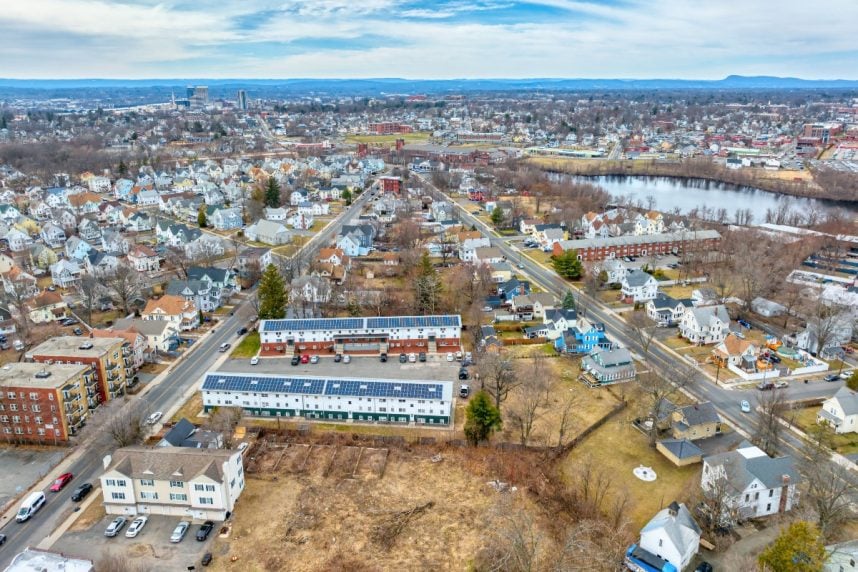
Everett, housing Encore Boston, along with Springfield and Plainville, could face the most significant losses should the Community Mitigation Funds continue to be diverted. These three cities are the designated hosts for the state’s casinos.
The lack of Community Mitigation Fund grants has considerable ramifications for vital services, from emergency responders to mental health initiatives aimed at treating gambling disorders.
Fiscal Priorities
The $60.9 billion budget for FY26 in Massachusetts includes significant allocations for education, transportation, and housing. In addition to casino funds, some of the increased expenditures are being financed through the “Fair Share” income tax on higher earners.
The 2026 financial strategy for the commonwealth is 5.4% higher, amounting to an increase of approximately $3.1 billion compared to 2025.
Lawmakers and Governor Healey attribute the need to supplement the budget with casino taxes to federal policies. They assert that alterations in tariffs, immigration laws, Medicaid, food assistance, and cuts in federal programs could severely impact state tax revenues.