


Published on: June 1, 2026, 09:26h.
Updated on: June 1, 2026, 09:26h.

- MGM shares surge as Barry Diller proposes $18 billion acquisition of the casino operator
- Diller’s People Inc. stands as the largest shareholder in MGM
- This offer comes shortly after Tilman Fertitta announced his bid for Caesars Entertainment
MGM Resorts International (NYSE: MGM) saw its stock spike during morning trading after Barry Diller’s People Inc. (NASDAQ: IAC) announced a $48.30 per share offer, effectively valuing the casino titan at $18 billion and aiming to purchase all outstanding shares of MGM that it does not already possess.
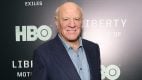
Diller’s media group, formerly known as IAC/InterActiveCorp, already holds a 26% stake in MGM. The offer for MGM indicates a 24.1% premium based on the volume-weighted average share price for the 30 days leading up to May 29, the final trade day of May. At $48.30 per share, this bid exceeds the stock’s closing price on that date by 10.6% and suggests a valuation more than 30% above the stock’s volume-weighted average price over the past 90 days until May 29.
“We started investing in MGM nearly six years ago because we believed it was a unique business: one with tangible assets that AI can’t easily match or replace, alongside exceptional opportunities for digital growth. That belief has only strengthened over time,” stated Diller in a press statement.
IAC acquired its initial 12% stake in MGM in August 2020, valuing it at $1 billion at the time.
Diller: Market Is Undervaluing MGM. Is He Making the Same Mistake?
Diller’s bid for MGM follows just four days after Tilman Fertitta proposed a $17.6 billion acquisition of Caesars Entertainment (NASDAQ: CZR)—a move industry analysts believed could spark a new wave of consolidation in the gaming sector.
In his statement, Diller reiterated his long-standing position that MGM is undervalued, asserting “the market significantly underappreciates the strength and resilience of MGM’s assets.” However, some analysts might contend that Diller is also undervaluing his target.
As the momentum for the Caesars/Fertitta partnership grew, some analysts speculated that the rumored acquisition price for Caesars implied MGM could be valued between $55 to $60 per share. However, People Inc.’s $48.30 per share offer is clearly below the $57.50 midpoint of that range, particularly following Fertitta’s previous $31 a share offer for Caesars, which had been rumored to reach as high as $34 a share.
“People Incorporated anticipates funding any transaction using a mix of its existing cash and MGM’s resources, along with additional debt and equity financing,” stated the press release. “People Incorporated aims to acquire slightly over 50.1% of the company’s equity, leaving other investors (which may include existing MGM shareholders) with minority stakes. This would position People Incorporated in control of MGM’s operations.”
People Inc. May Block Competing MGM Acquisition Offers
Earlier this April, IAC and MGM brokered an agreement which limits the media conglomerate’s influence over MGM in designated circumstances. It’s likely that a competing acquisition proposal isn’t one of those scenarios. In a letter directed to MGM’s board, Diller made it clear that People Inc. would not endorse an acquisition proposition from any third party.
“We want to assure you that People Incorporated has no intention of selling our current stake in MGM, nor will we pursue or support any merger or similar significant transaction resulting in a change of control to another entity or significantly dilute our economic and voting rights in MGM,” the media mogul asserted.
Diller and former IAC CEO Joey Levine serve on MGM’s board of directors.
If both the Diller/MGM and Fertitta/Caesars partnerships proceed, it could result in both the largest operators on the Las Vegas Strip becoming privately held entities, thereby limiting public investors’ avenues to voice their opinions on the U.S. gaming hub.