


Published on: April 28, 2026, 02:19h.
Updated on: April 28, 2026, 02:19h.

- Latest survey reveals most Americans doubt the industry’s ability to eliminate insider trading
- Concerns highlighted around insider trading linked to elections and military actions
- Awareness surrounding prediction markets remains limited
With increasing reports of prediction market participants trading on confidential information, a significant portion of Americans are skeptical about the industry’s capacity to curb such illicit practices.
According to a recent survey conducted by Scripps News/Talker Research, 63% of 2,000 surveyed Americans expressed that they are either “not very confident” or have completely lost faith in prediction market operators’ capability to mitigate insider trading.
The study highlights prevalent fears regarding platforms that facilitate bets on events such as elections and military operations, indicating little trust in prediction markets’ ability to deter insider trading or unethical participants,” reported Scripps News.
An alarming 72% of participants revealed concerns regarding insider trading related to U.S. military operations, a topic that has gained attention following the downfall of former Venezuelan leader Nicolás Maduro and ongoing conflicts in Iran. Furthermore, 71% expressed anxiety about trading based on confidential electoral data, while less than half of respondents conveyed worries about insider trading involving sports contracts.
Industry Efforts to Tackle Insider Trading
Public sentiment regarding the capability of prediction markets to eliminate insider trading starkly contrasts with the industry’s efforts to address this issue.
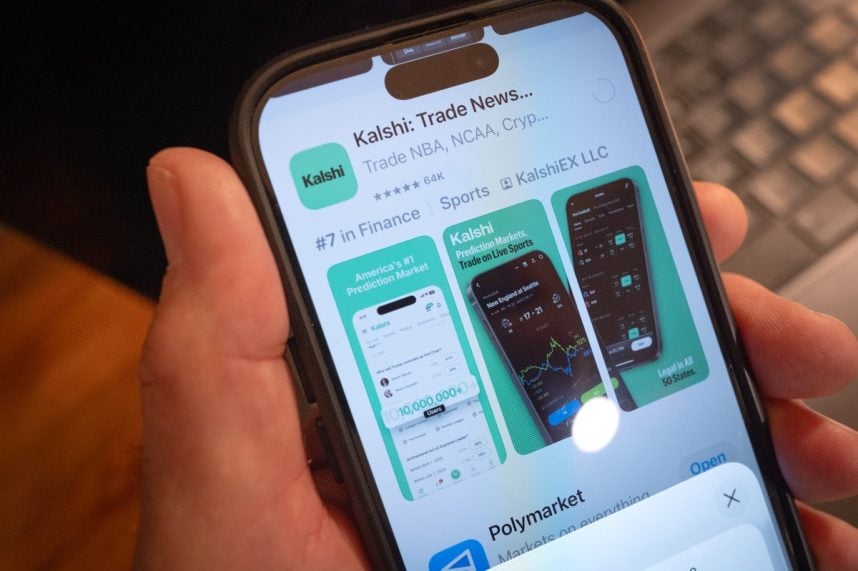
For instance, Kalshi, the leading yes/no exchange, recently announced the resolution of three insider trading cases, which led to penalties and the suspension of three political figures. Previously, similar cases involving another political candidate and a former employee of a social media influencer were also concluded.
Additionally, Kalshi has enhanced its protocols for combating insider trading, specifically to prevent athletes and politicians from profiting off confidential information. Competitor Polymarket, also associated with insider trading controversies, is taking measures to curb such misconduct, but public skepticism persists.
“A significant majority of those surveyed expressed doubt about the ability of prediction markets to stop insider trading, with 63% indicating minimal to no confidence. Moreover, 73% voiced concerns that individuals with insider information could exploit these platforms for profit,” according to Scripps.
Low Awareness of Prediction Markets
Despite significant advertising efforts and prominent media coverage in the prediction market industry, general awareness about these platforms remains surprisingly low.
The Scripps survey revealed that only 19% of Americans have engaged in trading on a yes/no exchange, while merely 16% claim to know someone who has utilized platforms like Kalshi or Polymarket. In contrast, 57% admitted they are either “not very” or “not at all” familiar with these platforms.
This familiarity gap appears to be generational. Younger individuals, especially millennials and Gen Z, show significantly greater awareness of prediction markets compared to older generations. Notably, 37% of millennials reported having traded on prediction markets, whereas 31% of Gen Z respondents indicated the same.