


Published on: November 24, 2025, 08:04h.
Updated on: November 24, 2025, 08:05h.

- NCAA student-athletes are still prohibited from wagering on professional sports
- This rule extends to all team staff and athletic departments
- A prior motion to lift the ban on betting was withdrawn
NCAA student-athletes, team staff, and athletic department personnel will continue to face a ban on betting in professional sports following a decision reversal by the organization’s leadership.
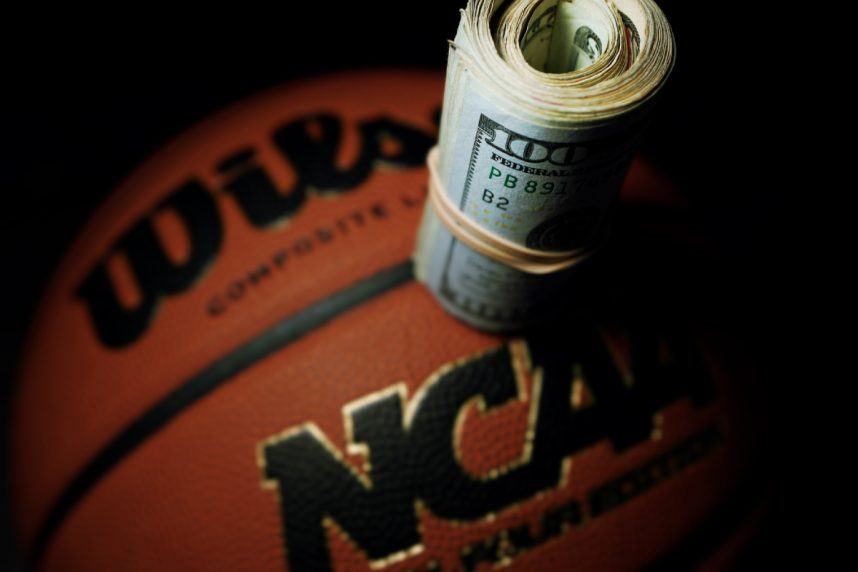
In a brief statement, the NCAA announced that after a “procedural 30-day window,” a majority of Division I member institutions voted to “rescind” a rule change that had previously been approved, permitting student-athletes and related personnel to legally engage in sports betting strictly on professional events.
Approximately two-thirds of DI member institutions opted to withdraw the amendment. This action aimed to ease the regulatory demands on the NCAA, its conferences, and each institution in monitoring that none of the 540,000 student-athletes partakes in professional sports wagering.
The amendment would have also altered penalties imposed on student-athletes found violating the professional sports betting regulations, which could lead to loss of eligibility.
Opposition from the SEC
The initiative to rescind was driven by Greg Sankey, the SEC commissioner, a prominent figure in collegiate athletics. With the original ruling passed by less than 75% of the 19-member Division I Cabinet—the body overseeing ethical conduct and athletic eligibility—each Division I school was given thirty days to vote against the proposal.
Sankey’s call for rescindment was rapidly adopted throughout the educational sports landscape.
“This is not solely about student-athletes. It encompasses coaches, analysts, video personnel, and sports medical staff. Ambiguity can be problematic; clarity is essential,” Sankey stated, emphasizing that all college sports betting prohibitions would remain.
Sankey expressed support for the NCAA’s ongoing educational initiatives regarding sports betting while advocating for a reassessment of penalties for violations.
“The notion that a single infraction leads to permanent consequences is not grounded in education,” Sankey remarked. “We aspire for the policies and guidance to persist but with a more thoughtful framework regarding their application to young individuals.”
Potential Offshore Impact?
The NCAA’s decision to uphold its prohibition against student-athlete participation in sports betting might seem counterproductive, potentially promoting activities on unregulated offshore betting platforms. These online sportsbooks are not governed by state gaming authorities, unlike licensed wagering operators.
While legal sportsbooks can swiftly identify unqualified participants, such as student-athletes, offshore operators often lack these monitoring capabilities.
According to a 2023 NCAA survey, 58% of individuals aged 18 to 22 are now engaged in sports betting. This figure rises notably on college campuses, where reports indicate 67% of students have participated in at least one betting activity in the past year, and 35% admit to using a student bookmaker.
Over 40% of these students have placed bets on their own teams. The NCAA estimates that around 20% of the collegiate student population exhibits at least one risky behavior associated with gambling issues.