


Published on: January 11, 2026, 10:29 AM.
Updated on: January 11, 2026, 10:29 AM.

- New Jersey’s public institutions are now required to host problem gambling workshops
- Each semester, the Council on Compulsive Gambling of New Jersey must be invited
Public colleges and universities in New Jersey’s higher education system must now invite specialists in problem gambling to their campuses annually.
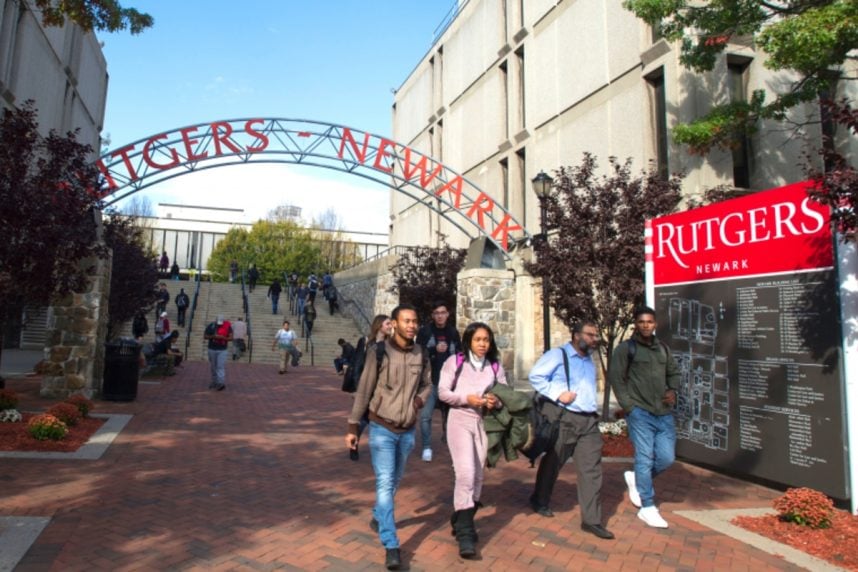
On Friday, outgoing Governor Phil Murphy (D) signed into law Assembly Bill 1715/Senate Bill 3184, which stipulates that all public colleges, universities, and community colleges in New Jersey must “invite and facilitate” the presence of the Council on Compulsive Gambling of New Jersey (CCGNJ) on their premises at least once per semester.
“The signing of this bill reflects our ongoing dedication to fostering responsible gaming and ensuring the betterment of students throughout New Jersey,” stated Murphy. “By linking campus communities with specialized resources, we are taking essential steps to prevent gambling-related issues before they escalate.”
The CCGNJ, a nonprofit entity, is dedicated to raising awareness about the dangers of gambling, training professionals statewide on managing gambling disorders, and guiding affected individuals and their families towards treatment services. The CCGNJ operates the helpline 1-800-GAMBLER.
Impact of Sports Betting on Addiction
New Jersey has been a key player in the expansion of legalized sports betting across the United States, having successfully challenged the federal government, culminating in a Supreme Court decision in May 2018 granting states the authority to regulate sports gambling. This widespread acceptance of sports betting, along with aggressive sportsbook advertising, has led many young adults to develop gambling issues.
While sports have traditionally fostered community connections, the swift rise of online sports betting is proving detrimental to the welfare of young adults,” remarked Angela Bethea, Acting Secretary of Higher Education in New Jersey. “This legislation guarantees that New Jersey’s public institutions assist students in engaging responsibly and offers vital educational resources about the risks associated with betting platforms.”
Research indicates that young individuals are particularly vulnerable to developing compulsive gambling habits and find it challenging to break free once they are drawn in. A study from Siena University in New York revealed that 50% of men aged 18 to 49 possess an active online sports betting account.
Financial expert Dave Ramsey stated last week that the most rapidly expanding addiction threatening young men is online sports gambling.
Smoking Regulations Standstill
As Murphy’s governance comes to a close on January 20, he advanced legislation designed to mitigate gambling issues among college students, yet hesitated on another critical issue confronting New Jersey’s gaming sector — the ongoing allowance of smoking in Atlantic City casinos.
A coalition of casino employees advocating for a smoking ban urged Murphy during his final days in office to cement his legacy by compelling the Democrat-led Legislature to enact a ban on casino smoking.
Murphy previously supported initiatives aimed at putting an end to indoor smoking in casinos but his stance shifted over the past year following arguments from the casino industry suggesting that mandating smokers to go outdoors would harm gaming revenues and potentially result in thousands of job losses.