


Published on: August 20, 2025, 10:35 AM.
Updated on: August 20, 2025, 10:37 AM.

- Rockingham County faces ongoing legal challenges in North Carolina
- A local children’s camp contests the county’s land rezoning decision
- The rezoning could potentially allow a casino to be built adjacent to the camp serving children with health issues
In 2023, a North Carolina county that rezoned land for a potential commercial casino resort is urging the state’s supreme court to dismiss a lawsuit filed by local homeowners, who claim the land-use procedures were improperly executed.
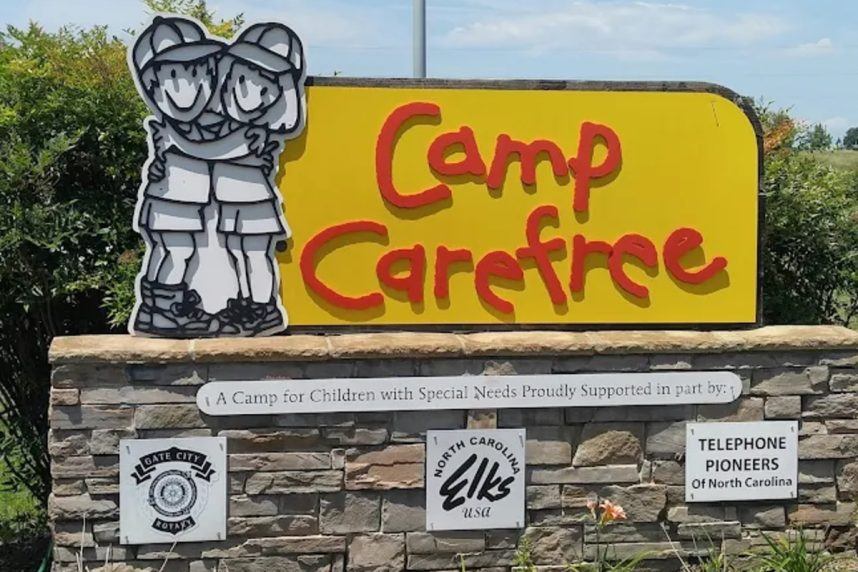
In late 2023, the operators of Camp Carefree, which provides a free summer experience for children suffering from chronic illnesses and disabilities, initiated a lawsuit against Rockingham County, alleging that officials overlooked essential legal standards when reclassifying 193 acres of vacant land adjacent to the camp.
The Rockingham County Board of Supervisors unanimously voted to change the land’s designation from “residential/agricultural” to “highway commercial.” As part of this transition, it was disclosed that The Cordish Companies, a Maryland-based gaming and hospitality firm, was close to acquiring the property.
The Cordish Companies worked alongside state Senate President Pro Tempore Phil Berger (R-Rockingham) on a bill proposing casino establishments in three rural counties including Rockingham. However, this initiative was stalled after details surrounding the negotiations emerged, which would have enabled Cordish to gain exclusive development rights. Interestingly, Berger’s son, Kevin, chairs the Rockingham Board of County Supervisors.
Progress on the County Lawsuit
In their pursuit for justice, Camp Carefree, in conjunction with local gluten-free bakery Kalo Food, LLC, and several homeowners, filed a lawsuit aiming to invalidate the county’s amendments to its Unified Development Ordinance.
They asserted that the county neglected to evaluate the adverse effects of a casino positioned adjacent to their children’s camp.
In March 2024, North Carolina Superior Court Judge Clayton Somers dismissed the case, affirming the county’s position based on jurisdictional grounds related to standing.
The plaintiffs contended they presented enough evidence to prove standing to initiate the legal challenge without necessitating an additional claim for special damages. A three-judge appeals court subsequently concurred in July.
Rockingham County is now contesting this ruling at the North Carolina Supreme Court.
“This Petition for Discretionary Review seeks the Supreme Court’s examination of the Court of Appeals’ ruling, wherein the Court indicated that plaintiffs contesting Rockingham County’s zoning decisions weren’t mandated to assert special damages for standing under the Declaratory Judgment Act,” explained Rockingham County Attorney Clyde Albright.
Albright emphasized that earlier rulings have stipulated that parties challenging a local government’s zoning decisions must demonstrate “direct and negative effects.”
Should the state Supreme Court choose not to review the issue, the case will transition back to a trial judge for further examination.
Chances of Casinos Are Slim
The likelihood of introducing casinos in North Carolina appears minimal. Berger has recently revised his stance on gambling and sports wagering.
“I don’t believe casinos will come to pass,” Berger acknowledged in February.
Presently, North Carolina hosts three tribal casinos. While public sentiment shows growing support for commercial gaming, the Republican-majority General Assembly has displayed little enthusiasm for casino-related legislation.