


Date of Publication: April 30, 2026, 08:33h.
Last Updated: April 30, 2026, 08:33h.

- Dealers allege that tip pooling diminishes earnings during required non-tipped working hours
- Lawsuit contends casino unlawfully utilizes employee tips for internal expenses
- This case may influence how casinos enforce tip credits in accordance with wage regulations
Ocean Casino Resort in Atlantic City faces allegations in a recent lawsuit, claiming that its tip-pooling mechanism is designed to “shift labor costs onto dealers,” violating both federal and New Jersey laws.
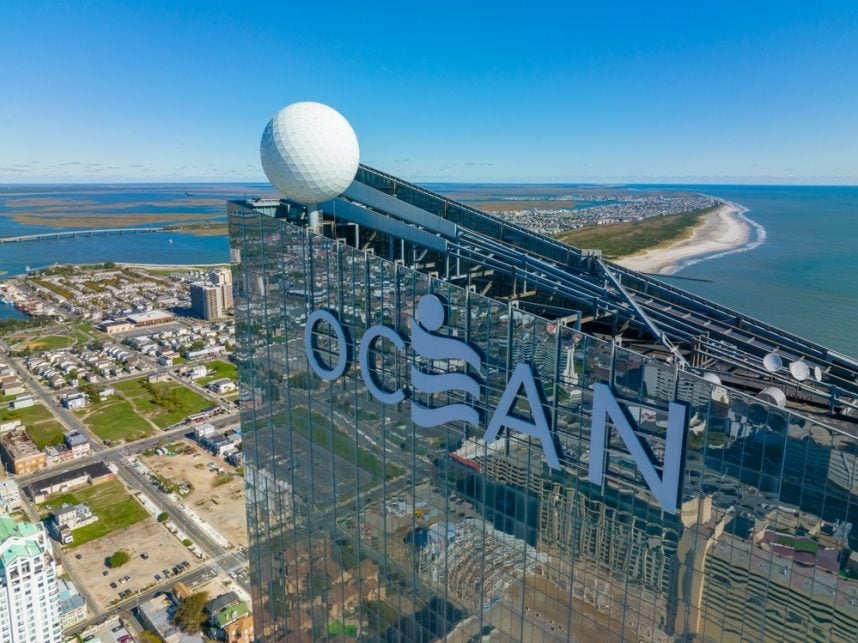
Lydia M. Colon, a dealer of table games, argues in her proposed class-action lawsuit that the casino mandates participation in a compulsory tip pool while compensating some staff below the New Jersey minimum wage using a tip credit approach.
Unfavorable Arrangement
According to the lawsuit, dealers typically engage in a sequence of 60 minutes at a gaming table, followed by a 20-minute paid break away from the table. During this break, although dealers remain clocked in, they are unable to earn tips since they are not actively dealing.
Colon contends that this setup effectively prohibits them from earning tips for a quarter of their paid time, not accounting for other non-tipped responsibilities such as meetings or idle intervals.
In New Jersey, businesses are permitted to use tips to supplement employee wages only if the majority of their duties generate tips. If workers spend over 20% of their time on non-tipped tasks, the employer may be obligated to provide full wages. Importantly, tips are designated for the workers themselves, not the establishment.
The lawsuit further critiques the management of the tip pool. It claims that dealers are required to tally pooled tips and receive compensation for this task from the tips themselves, which Colon argues allows the casino to utilize employee tips for its administrative expenses.
Federal regulations also set constraints on tip-pooling frameworks. The U.S. Department of Labor stipulates that employers can only claim a tip credit if employees receive sufficient wages and tips to meet minimum compensation standards. Furthermore, employers are allowed to mandate tip pooling only among employees who consistently earn tips and cannot retain tips for alternative uses.
Seeking Millions
As of January 1, 2026, New Jersey’s minimum wage increased to $15.92 per hour for most workers. For employees who rely on tips, employers utilizing a tip credit must pay at least $6.05 per hour in direct wages, with tips fulfilling the remainder of the pay structure.
Colon aims to recover unpaid minimum wages, overtime compensation, and tips she alleges were misallocated within the casino’s tip pool system. The lawsuit also seeks liquidated damages, interest, and legal costs on behalf of a broader group of dealers involved in the proposed class.
According to the lawsuit, the disputed amount surpasses $5 million, which is the minimum threshold to bring the case before federal court, although total damages are not explicitly mentioned.
Casino.org has reached out to Ocean Resort for a statement.