


A legislative proposal aimed at legalizing sports betting in Oklahoma is poised for upcoming votes after negotiations between lawmakers, tribal representatives, and basketball professionals. Nevertheless, the proposal may encounter resistance in either legislative chamber and possibly a governor’s veto.
The initiative seeks to permit in-person betting at tribal casinos while creating a structure for statewide mobile wagering via an amendment to the current gaming compact.
Tribal groups would maintain exclusive rights to conduct sports betting and will have the ability to collaborate with betting platforms like FanDuel and DraftKings. However, platforms for prediction markets like Kalshi and Polymarket will be excluded from operating in the state as per the proposal.
Sen. Bill Coleman and Rep. Ken Luttrell have indicated that this agreement followed lengthy discussions involving lawmakers, tribal governments, the Oklahoma City Thunder, and state universities. The modified framework is part of House Bill 1047, which has been updated to incorporate the terms reached during negotiations and is anticipated to be reviewed by the Senate prior to returning to the House.
“Today is a significant day for Oklahoma,” Coleman remarked. “We are closer than ever to achieving legalized sports betting.”
Sen. Bill Coleman

He emphasized that the legislation is the result of years of discussions and aims to honor tribal partnerships while working alongside the Oklahoma City Thunder to create a system that can effectively compete with unregulated betting markets.
Coleman noted that a large number of residents are already participating in online betting through out-of-state channels, and this proposal seeks to safeguard consumers and ensure that the accompanying revenues remain within Oklahoma.
The proposal lays out a revenue-sharing model where the state would earn 8% from sports betting earnings via exclusivity fees. Money accrued from bets on NBA and WNBA games would go to the Strong Readers Fund, promoting early childhood literacy.
Funds generated from other types of bets would be distributed to Division I universities, initiatives for student development, workforce programs, and a tourism fund that would provide grants to the Thunder.
Furthermore, the initial $20,833.33 in monthly fees collected under the gaming compact would be directed to the Oklahoma Department of Mental Health and Substance Abuse Services to tackle issues related to compulsive gambling.
This legislation builds on an earlier version introduced in 2025 and is backed by the Oklahoma Indian Gaming Association. Chairman Matthew Morgan noted that most tribal nations within the group support the “proposed legislation, which aligns with our guiding principles” and strives to be inclusive of other sports betting participants within legal frameworks.
Rep. Ken Luttrell
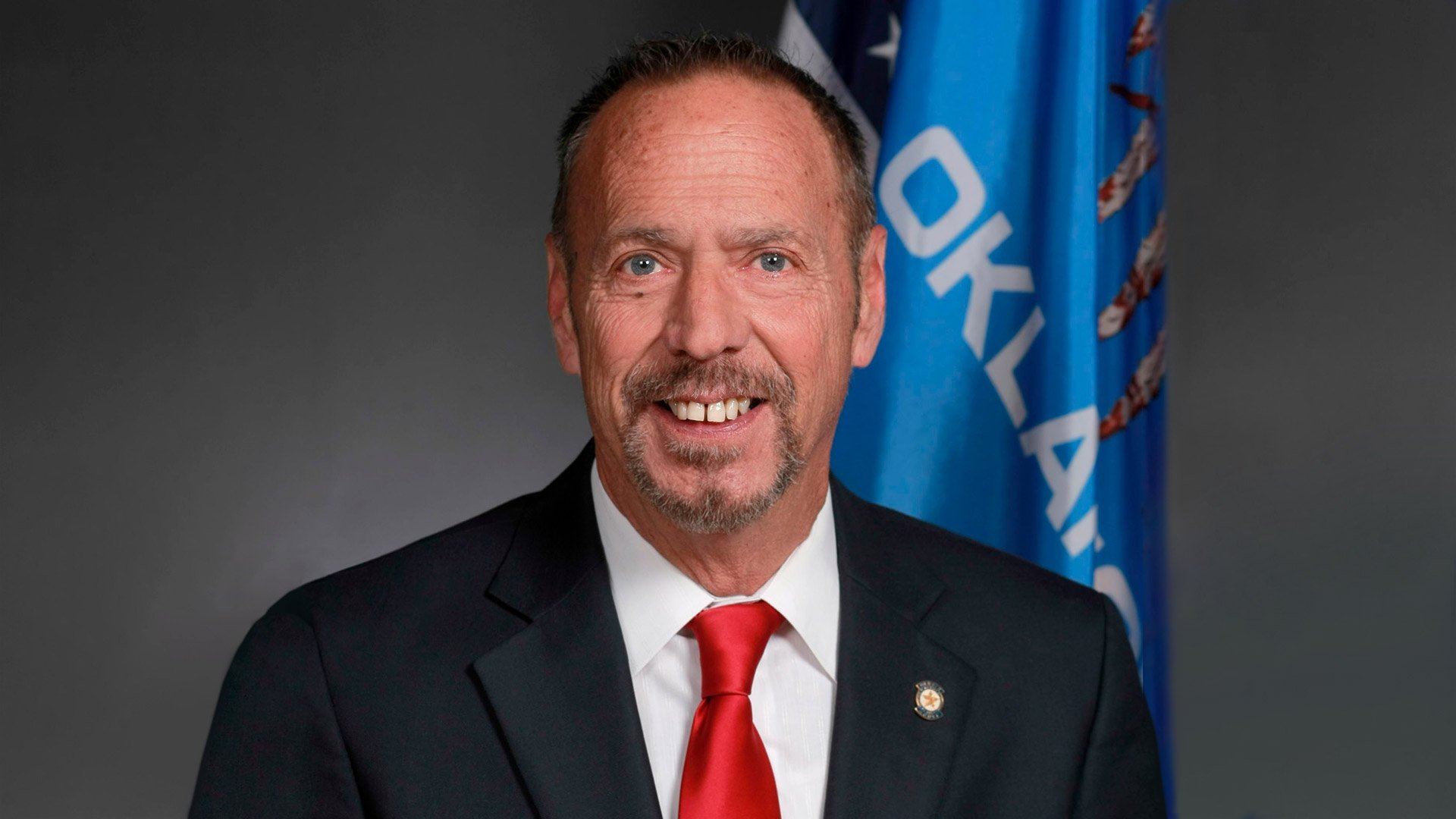
“This has been a lengthy process,” Luttrell remarked. He acknowledged that it has involved extensive dialogue with tribal partners and coordination with stakeholders like the Oklahoma City Thunder to finalize the framework. “What we have now encapsulates those efforts, giving Oklahoma the opportunity to bring this activity into a legal, regulated environment.”
The proposal intends to keep betting revenues within the state, bolster the economy, safeguard consumers, and contribute to vital public services, citing extensive dialogue and consideration as the foundation of the plan.
Despite the agreement, the proposal faces challenges as it progresses through the legislative framework. Gov. Kevin Stitt has previously stated his opposition to any bill that confers exclusive advantages to tribal groups.
A spokesperson for the governor, Tevis Hillis, indicated that he does not support an expansion of the current state-tribal gaming compact, describing it as a “poor gaming compact lacking in transparency and fair market rates.”
If implemented, Oklahoma would become the 39th state to legalize sports betting, joining 38 other states and Washington, D.C., where such wagering is currently allowed.
Lawmakers have suggested they are ready to attempt a veto override if required, necessitating a two-thirds majority in both legislative chambers. However, backing for the measure remains uncertain. Caroline Estes, a spokesperson for House Speaker Kyle Hilbert, remarked that it’s premature to conclude whether Hilbert would endorse overriding any potential veto.