


An industry insider exclusively told Casino.org that downloads for Papaya’s flagship apps are on the rise, despite a recent federal court ruling that penalized the company for deceptive advertising.
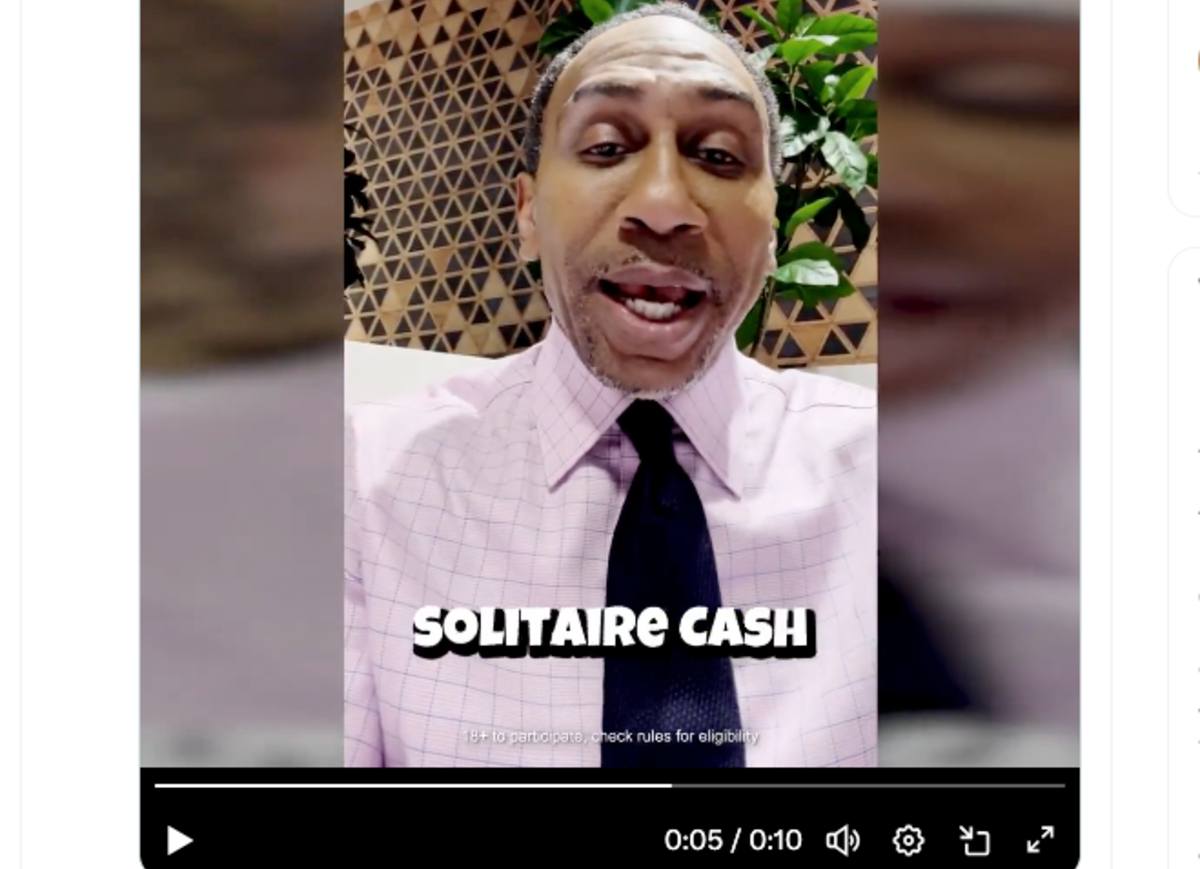
Data from Sensor Tower and reports shared with Casino.org show that Solitaire Cash, Bingo Cash, and Bubble Cash have all experienced increased downloads since April 23, 2026, when the jury ruled in favor of Skillz’s claims against Papaya for false advertising and consumer deception.
These mobile skill games pit real players against each other, with participants agreeing to an ante before the game commences. The jury determined that Papaya utilized computer bots to artificially create faster peer-to-peer pairing times, rather than matching players against live opponents as advertised.
In its advertising, Papaya never disclosed that it deployed bots in its tournaments. Instead, it engaged in deceptive practices, falsely claiming that its games were ‘fair’ and ‘skill-based,’ that it had ‘no vested interest’ in the outcomes, and describing the participants in its tournaments in a misleading manner,” US District Judge Denise Cote ruled in New York’s Southern District Court.
According to the source, the increase in downloads is attributed to higher ad spending. Papaya has refuted the claim and declined to comment on the record.
Papaya reduced its spending on celebrity endorsements for Solitaire Cash in late 2025. This decision followed the separation of ESPN personalities, including Stephen A. Smith, from the company due to public backlash over endorsing an operator facing legal challenges.
Smith was initially named the “official ambassador” for the World Solitaire Championship but was removed from promotional materials after severing ties with Papaya.
Before the endorsements were terminated, ESPN’s Mina Kimes, Kendrick Perkins, Dan Orlovsky, and Laura Rutledge also assisted in promoting Solitaire Cash.
Papaya claims to have stopped using computer bots in its games since late 2023.
Papaya Judgment
On July 27, 2026, Cote ordered Papaya to pay Skillz $719 million in disgorgement of unjust profits under the federal Lanham Act and the New York General Business Law.
Cote found that Papaya harmed Skillz by falsely advertising faster peer-to-peer pairing times for head-to-head real-money skill games. The jury had previously found that Papaya used computer bots to play against customers rather than matching them with live opponents.
When players complained to Papaya that they suspected it was deploying bots, Papaya flatly denied it was doing so. It told complainants that it ‘wants to clarify that we do not use bots or computer players.’ Papaya’s executives were intimately involved in the deception,” Cote wrote.
“Papaya instructed its staff to escalate complaints about bot use to management. Papaya removed posts complaining about its suspected use of bots from its Facebook group,” the judge continued.
“Papaya not only misrepresented its tournaments in its advertising to and communications with consumers, it misrepresented them to app stores, its payment processors, and its advertising channels.”
Following Cote’s ruling of $719 million, Papaya filed for Chapter 15 of the US Bankruptcy Code in Delaware. Chapter 15 deals with cross-border insolvency proceedings involving foreign companies operating in the US.
Along with the Chapter 15 filing, Israel-based Papaya obtained a temporary stay of proceedings from the Tel Aviv District Court, preventing Skillz from pursuing collection efforts until its appeal is resolved with the US Court of Appeals for the Second Circuit in New York City.
Papaya admitted that if the $719 million judgment is upheld and a favorable payment structure is not approved, the company may face insolvency.
“The Applicants acknowledge that they are unable to pay the debt owed to Skillz if that debt becomes enforceable,” Tel Aviv District Judge Iris Lushi-Abudi wrote while granting the temporary stay.
Court documents revealed that Papaya had approximately $151 million in cash reserves.
Cote’s ruling was a financial judgment and does not impose restrictions on Papaya’s business operations. The company is still free to allocate its resources as it sees fit during the legal proceedings.
Last week, the Israeli court rejected Papaya’s proposed debt repayment plan, which aimed to settle the Skillz judgment over 6.5 years using future profits alone.
Lushi-Abudi ruled that the plan lacked credibility as it solely relied on projected operating profits without any equity or securities to support it, thus not qualifying for a creditor vote.
Attorney Gil Oren was appointed as an administrator to develop an improved debt arrangement between Skillz and Papaya.