


Published on: February 10, 2026, 07:27h.
Updated on: February 10, 2026, 07:27h.

- Pennsylvania Governor Josh Shapiro aims to regulate and impose taxes on skill games
- In conjunction with legalizing recreational marijuana, Shapiro believes that taxes on skill games can bolster K-12 education funding
For the second consecutive year, Pennsylvania Governor Josh Shapiro (D) is urging the General Assembly to deliver a bill for the legalization and taxation of skill games.
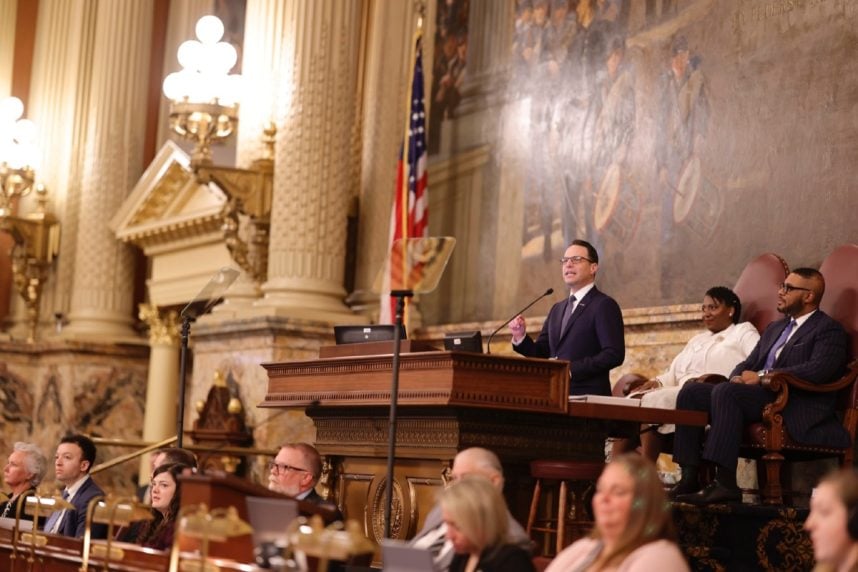
During his 2026-27 Budget Address, Shapiro urged lawmakers in Harrisburg to establish regulations and taxation for skill games.
Branded as Pennsylvania Skill, these unregulated gaming machines are prevalent in restaurants, bars, grocery stores, gas stations, and small enterprises, including vape shops. Many of these locations are also Pennsylvania Lottery retailers, who claim that skill games undermine their operations.
For the upcoming fiscal year, Shapiro plans to allocate $53.2 billion, reflecting a 5.4% rise from the previous year. This rising Democratic star is signaling a willingness to utilize the state’s rainy day fund to prevent tax hikes. Additionally, Shapiro believes that both the legalization of skill games and adult-use cannabis could alleviate revenue strains. He is advocating for an over 8% hike in K-12 educational funding to reach $20.65 billion.
Skill games resemble casino slot machines in appearance and operation, yet players must engage with the screen to create winning paylines. The outcome can be influenced by successfully completing a skill-based game akin to Simon Says, termed “Follow Me.”
Regulating Skill Games
Shapiro asserts that it’s high time Pennsylvania recognizes the approximately 70,000 unregulated skill games operating statewide to safeguard consumers and maximize tax revenues.
“This budget aims to finally bring regulation and taxation to skill games while implementing comprehensive cannabis reform. District Attorneys across the Commonwealth have requested that we regulate skill games and provide law enforcement with clear directives,” Shapiro commented.
“We are jeopardizing our communities and forfeiting billions in potential revenue by remaining inactive on both fronts. It is common knowledge that this needs to be addressed. Let’s unite and finalize this initiative,” Shapiro urged.
The governor’s financial projections indicate that skill games, alongside recreational cannabis, could generate around $2 billion annually in tax revenue. He has suggested that the General Assembly establish operational guidelines for skill games, imposing a 52% tax on the machines’ gross revenue.
The initial $1 million collected from skill gaming taxes would be allocated to the Compulsive and Problem Gambling Treatment Fund. After 10% of the skill tax is distributed back to the host counties and towns where these games are available, the remaining funds would contribute to the General Fund.
Opposition to Skill Gaming
Entities operating skill games in Pennsylvania, notably Pace-O-Matic and Miele Manufacturing, advocate for regulation and taxation within the state. The Pennsylvania Tavern and Players Association, which champions the benefits of skill games for hosting locations, supports this initiative as well.
However, supporters of skill gaming contend that a significantly lower tax than what Shapiro proposes is essential for ensuring that these games can effectively support small businesses, preserve jobs, and keep consumer costs manageable.