


A Pennsylvania lawmaker is proposing a regulatory framework for controversial slot-like skill games while also restructuring the state’s tax system to allocate more gambling revenue to homeowners.
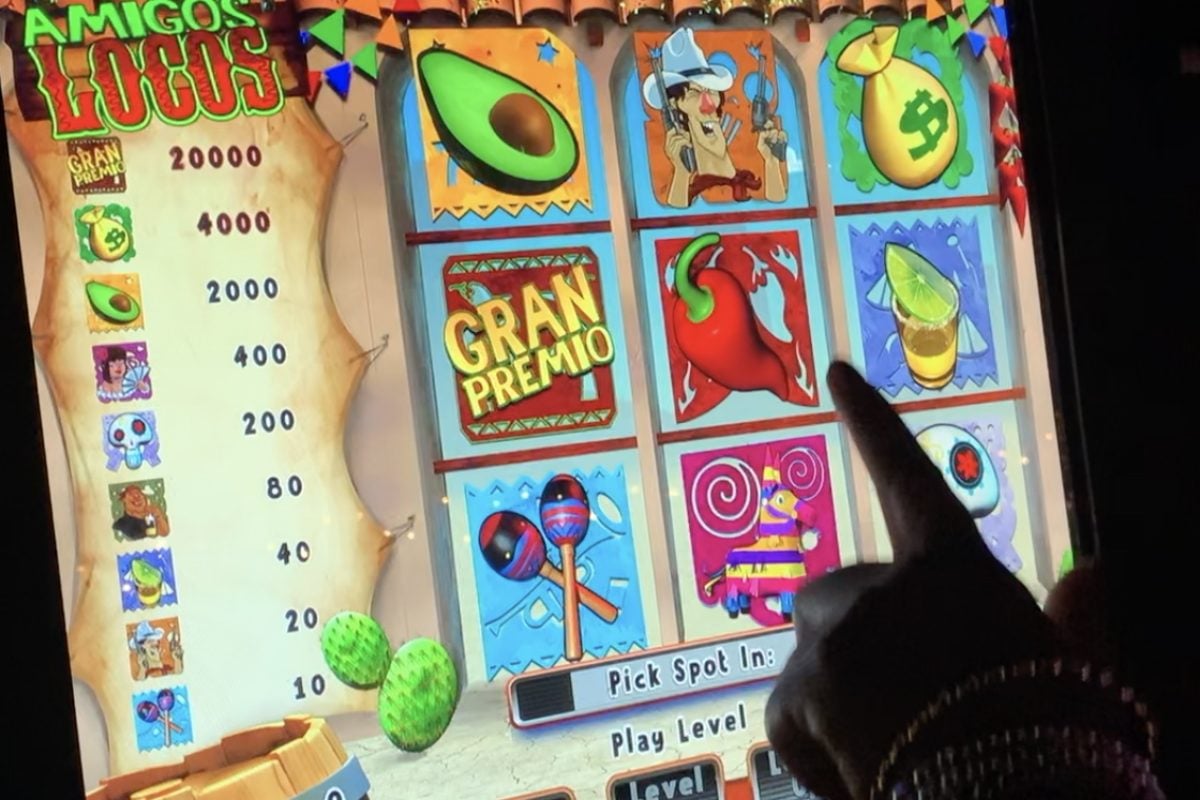
Pennsylvania Rep. Russ Diamond (R-Lebanon) plans to introduce legislation that would permit skill games in social clubs, restaurants, bars, and truck stops holding licenses from the Pennsylvania Liquor Control Board.
Diamond expressed that significant changes have occurred since the Race Horse Development and Gaming Act was initially established over two decades ago to support the race horse industry and provide property tax relief to homeowners.
Authorized legal gaming in the Commonwealth has been expanded to include table games, internet-based gaming, and sports wagering. With the recent Supreme Court ruling that unregulated skill games are slot machines, it’s time to make some necessary and much-needed changes,” Diamond said.
Diamond’s proposal allows up to five skill games per qualified location and proposes taxing terminal gross gaming revenue (GGR) at a rate of 20%.
Gaming Tax Redirect
In addition to regulating and taxing skill games, Diamond suggests reevaluating how the state utilizes gaming taxes, as Pennsylvania currently collects more gaming tax revenue than any other state due to high tax rates.
Under his forthcoming legislation, tax revenue from all forms of gaming would be channeled into the State Gaming Fund and distributed as follows:
- 6.75% to the Race Horse Development Trust Fund
- 1% to the Compulsive and Problem Gambling Treatment Fund
- 79% to the Property Tax Relief Fund
- 13.25% to the General Fund
Diamond aims to eliminate local share programs and reallocate those funds to residential property tax relief, proposing that the new structure could generate nearly $1 billion in additional funds for the Property Tax Relief Fund.
Bill Future
Diamond, the minority leader of the House Gaming Oversight Committee, intends to introduce his skill games bill soon and invites fellow lawmakers to cosponsor the legislation.
Some county and municipal governments, particularly those with casinos, may oppose Diamond’s bill, as it would impact their local share disbursements. These localities receive a percentage of the gaming venue’s monthly GGR proceeds in exchange for hosting casinos.
If Diamond’s bill is not enacted, the Pennsylvania Supreme Court has mandated that skill games be deactivated when its stay expires on October 13, 2026.