


Published on: April 7, 2026, at 11:17 AM.
Updated on: April 7, 2026, at 11:17 AM.

- Proposed legislation in Pennsylvania aims to enhance consumer protections for skill games
- Skill games remain outside regulatory and taxation frameworks in the state
- Approximately 70,000 skill games are operational throughout Pennsylvania
The Pennsylvania Supreme Court is anticipated to make a ruling on whether unregulated skill games qualify as illegal gambling in the state. Meanwhile, legislators in Harrisburg are considering proposed laws to grant legal and regulatory status to these slot-like games.
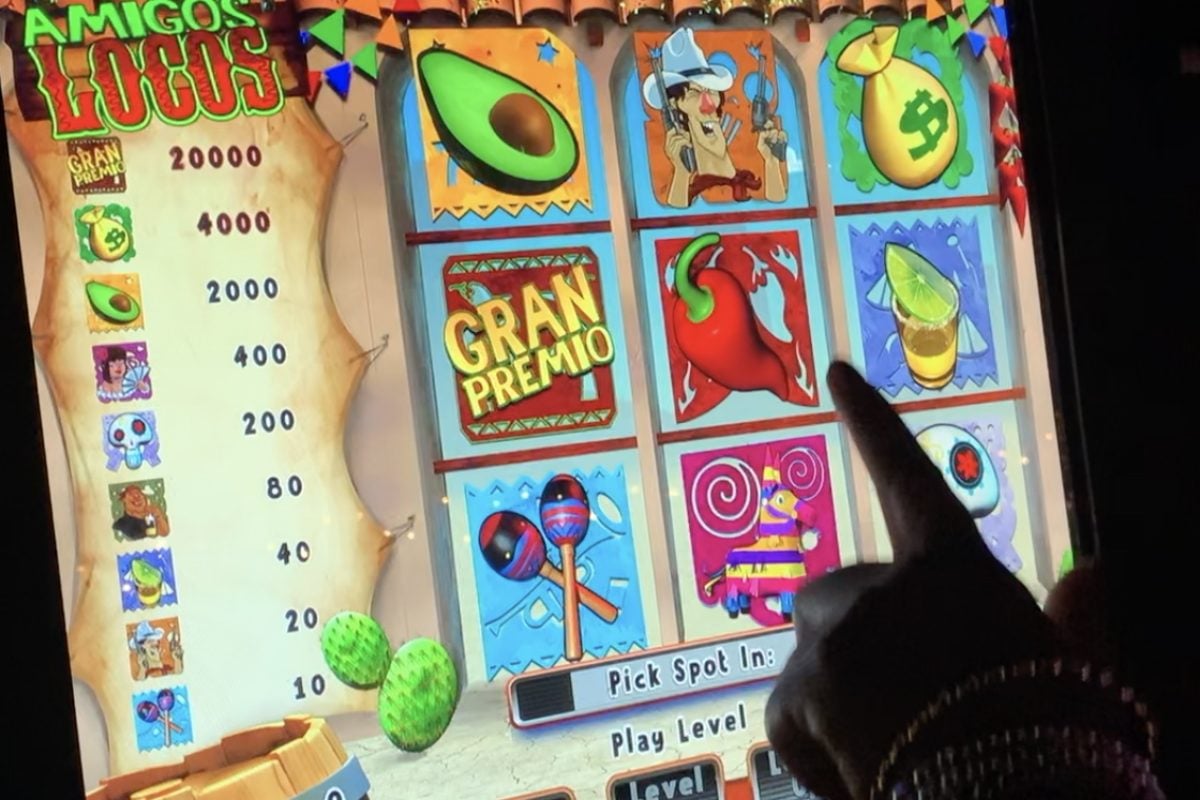
Players engage with skill games by identifying winning paylines. If players experience a loss, they can redeem it through various tasks, such as memory challenges, which allow them to influence the machine’s payout rate. Advocates argue that the skill-based element keeps these games outside the purview of the Pennsylvania Gaming Act that governs chance-based games.
Representative Ben Waxman (D-Philadelphia) is set to introduce the Skill Game Consumer Protection Act. This legislation aims to implement fundamental consumer safeguard measures to mitigate risks and enhance transparency.
“As discussions progress regarding the regulation of skill games in Pennsylvania, it’s crucial that any approval is accompanied by genuine consumer protections. These games often mimic slot machines, but lack the necessary safeguards found in regulated casinos, increasing risks for problem gamblers and at-risk populations due to their accessibility and rapid play,” commented Waxman.
Currently, skill games are not bound by any mandatory payout rates, unlike regulated casino slot machines. Furthermore, these machines do not contribute to state or local taxes, with all revenue going to the game’s developer, route distributor, and hosting venue.
Regulations for Skill Games
Waxman’s proposed Skill Game Consumer Protection Act would mandate that machines like Pennsylvania Skill be linked to a centralized monitoring system supervised by the Pennsylvania Gaming Control Board (PGCB). Each unit must also feature various responsible gaming tools, including speed control options, cooling-off periods, and limits on losses.
The legislation will also require the implementation of a voluntary self-exclusion option. This list would be administered by the PGCB. Individuals who opt for self-exclusion will be barred from making deposits via credit or debit cards. If they choose to play with cash, they must redeem their winnings through the cashier, who will verify their identity against the self-exclusion registry.
Additionally, Waxman intends to allocate a portion of any state tax revenue derived from skill games to support problem gambling treatment and prevention efforts.
“This legislation embodies a straightforward principle: if skill games are to be regulated, they should be structured to reduce harm,” explained Waxman.
This law will come into effect with the establishment of any future regulations governing skill games in Pennsylvania.
Estimates of Skill Games in Pennsylvania
The state estimates indicate that around 70,000 skill games are currently in operation in Pennsylvania. Governor Josh Shapiro (D) supports devising a regulatory and taxation framework for these machines to facilitate increased public spending.
The casino industry and Pennsylvania Lottery contend that skill games are siphoning play from their establishments. Revenue from slot machines at casinos decreased from $2.46 billion in 2023 to $2.44 billion in 2024, and further to $2.43 billion in the previous year. However, these figures are still significantly higher than pre-pandemic levels, prior to the existence of skill games.
In contrast, sales from the Pennsylvania Lottery have fallen from $5.3 billion in 2020 to $4.3 billion last year.