


Pennsylvania’s legal gambling revenue soared to an all-time high of $7 billion in the fiscal year 2025/26, generating exceptional taxes and fees for the state’s benefit.
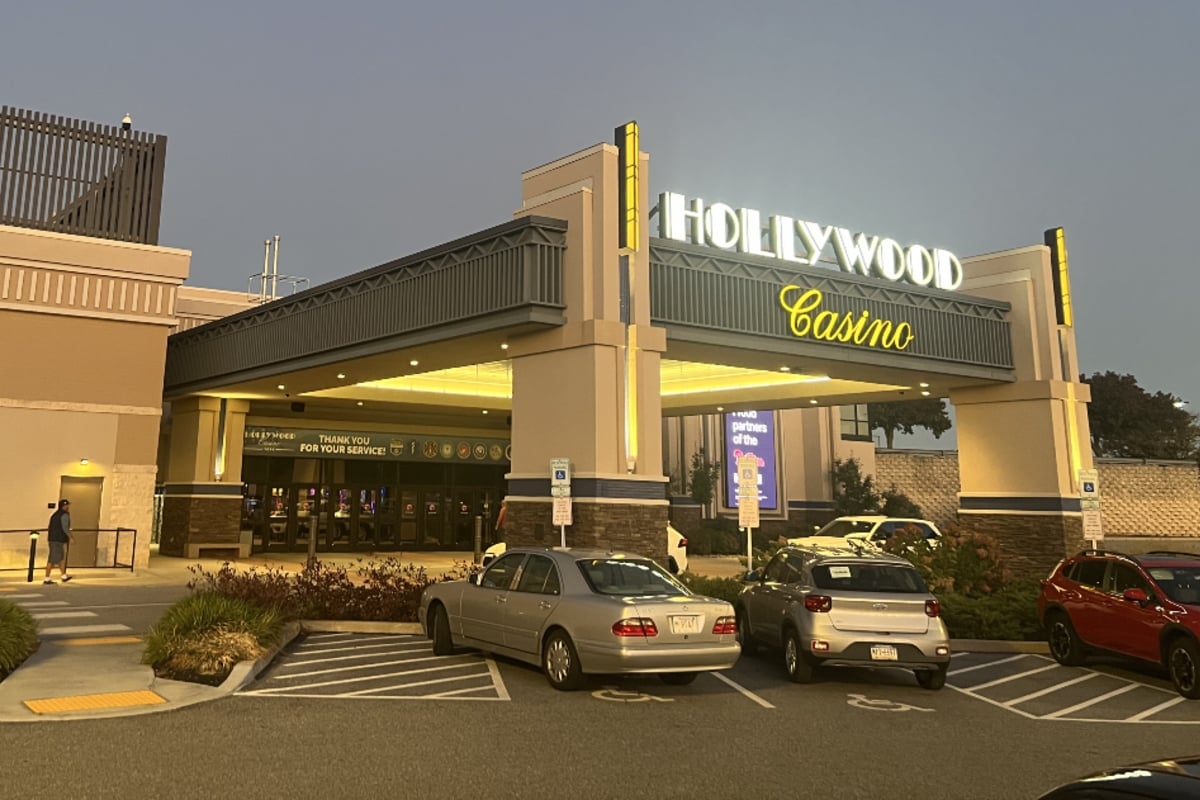
According to the Pennsylvania Gaming Control Board (PGCB), the combined receipts from physical casinos, online gaming, sports wagering, truck stop slot machines, and fantasy sports totaled $7,005,987,435 for the 12-month period ending June 30, 2026. This fiscal year saw nearly a 10% growth in revenue compared to the previous year.
This gaming income, excluding state-operated lotteries and unregulated skill games, generated almost $3.1 billion in taxes and fees, setting a new record for a fiscal period.
The substantial growth in the 2025/26 fiscal year was largely driven by online gaming, with gross gaming revenue (GGR) from iGaming rising by 18.4% to reach $2.93 billion. Additionally, sports betting—predominantly through online channels—increased by 36% to $662.9 million.
Tax Advantages
Revenue from Pennsylvania’s gaming sector supports various programs and initiatives throughout the state.
The PGCB indicates that the nearly $3.1 billion in tax revenue helps alleviate property taxes for homeowners on their primary residences, finances state, county, and local economic development, safety, and recreational projects, as well as supports the agricultural sector through horse racing. Furthermore, gaming taxes in Pennsylvania provide grants to municipalities and counties alongside general contributions to the state’s budget.
The expansion of gaming and its associated benefits has surged significantly since iGaming and sports betting were legalized in Pennsylvania. In the 2017/18 fiscal year, GGR from casinos and fantasy sports was reported at $3.2 billion, illustrating a remarkable 116% growth in the gaming industry over the past eight years.
Currently, Pennsylvania ranks as the second-highest gaming state, following Nevada, which recorded a GGR of $15.6 billion in 2025.
In 2017, under Governor Tom Wolf (D), Pennsylvania significantly developed its gaming landscape. With a Republican-controlled General Assembly opposed to tax increases to fund Wolf’s spending, legislators sought to the gaming sector.
The gaming expansion package of 2017 legalized iGaming, introduced slot-like video gaming terminals at truck stops, and allowed for “mini-casinos” featuring up to 750 slot machines and 30 table games. The legislation also stipulated that sports betting would be legal if federal law changed.
Shortly after the bill was signed in October 2017, the U.S. Supreme Court ruled in May 2018, giving states the authority to determine the legality of sports betting within their jurisdictions.
Challenges of Gaming
While gaming continues to positively impact state finances, it also raises societal concerns.
This week, a state government commission advised lawmakers in Harrisburg to closely examine the repercussions of Pennsylvania’s expanding gambling sectors on the public. The Joint State Government Commission recommended that legislators implement stronger consumer protections, such as betting limits, restrictions on VIP programs, and controls on gambling advertisements.
The report further proposed that lawmakers allocate funds to explore what could potentially develop into a public health crisis related to gambling disorders.