


Published on: December 16, 2025, 04:54h.
Updated on: December 16, 2025, 05:06h.

- Bodycam footage exposes AI error resulting in wrongful arrest at casino.
- Lawsuit claims officer fabricated reports and disregarded fingerprint evidence.
- Incident raises alarm about police dependence on facial recognition technology.
Recently disclosed police bodycam footage captures the alarming incident following the wrongful arrest of an innocent man at Reno’s Peppermill Casino, where the venue’s AI-driven facial recognition system misidentified him.
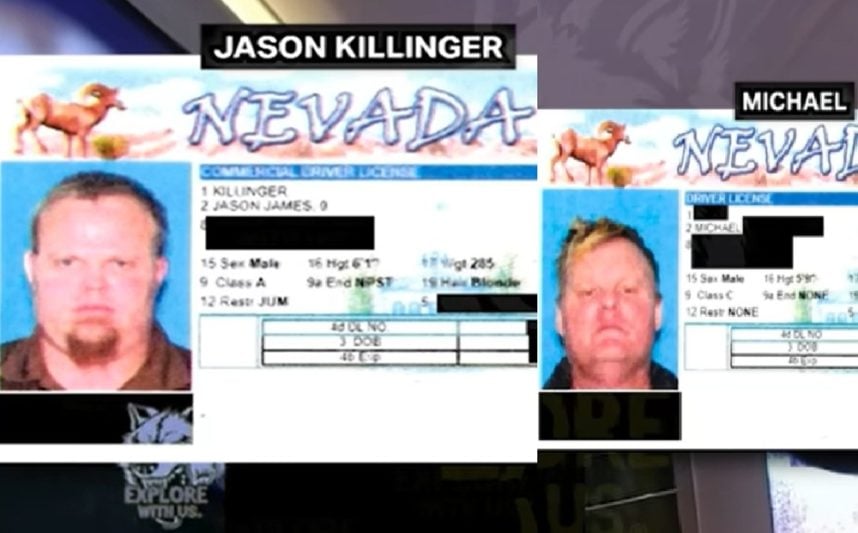
Casino.org highlighted in November that long-haul truck driver Jason Killinger is pursuing legal action against “Officer R. Jager,” a novice officer from the Reno Police Department, for infringing on his constitutional rights, fabricating evidence, and inflicting bodily harm during his unjust 11-hour confinement in September 2023.
The bodycam footage seemingly complicates Jager’s defense.
Confidence in AI
During the footage, Jager compares Killinger’s identification with a report from the casino for “Michael,” a previously banned individual found sleeping on site. While the two men do share a striking resemblance, the footage also reveals that Jager relied heavily on the AI’s “100% match” rather than objective facts—most notably, Killinger is four inches taller and has blue eyes instead of hazel.
In his report, Jager noted: “The demographics on each driver’s license were somewhat similar, with the only notable difference being hazel and blue eyes, which are inherently similar.”
“So if the software says it, it must be accurate,” Jager remarked in the footage.
“Alright then. Case closed,” he added soon after.
Killinger was handcuffed for about four hours during his total of 11 hours in custody, resulting in bruising and shoulder pain, as stated in the lawsuit. He was eventually released when a fingerprint scan verified his identity.
‘False Claims’
The lawsuit asserts that Jager “deliberately included false claims” in both the incident report and arrest documents, alleging inconsistencies in Killinger’s identification and claiming some documents appeared to be forged.
In fact, the plaintiff provided a legitimate Nevada driver’s license, a UPS pay stub, and vehicle registration, all valid and consistent with his personal details.
The lawsuit describes these inconsistencies as a “willful contrivance” to “create probable cause” after recognizing that the casino’s accusations did not correspond with Killinger’s valid documents.
Moreover, according to the suit and verified by the bodycam footage, Jager suggested to a casino manager that Killinger “probably has a DMV connection,” implying he might have false identification, despite lacking any supportive evidence.
Killinger claims that Jager’s actions infringed on his Fourteenth Amendment right to due process and asserts that Jager’s reports omitted the fingerprint results that proved his identity, misrepresenting him as uncooperative and as if he had multiple identities, which the lawsuit defines as a deceitful narrative.