


Published on: September 25, 2025, 12:48h.
Updated on: September 22, 2025, 12:52h.

- 91 Chinese nationals have been deported from the Philippines
- The deportees faced charges for operating an illegal gambling enterprise
- Philippine Offshore Gaming Operators (POGOs) were outlawed in 2024
The Philippines government has deported 91 Chinese individuals back to China after they were apprehended on charges related to running an illegal online casino business.
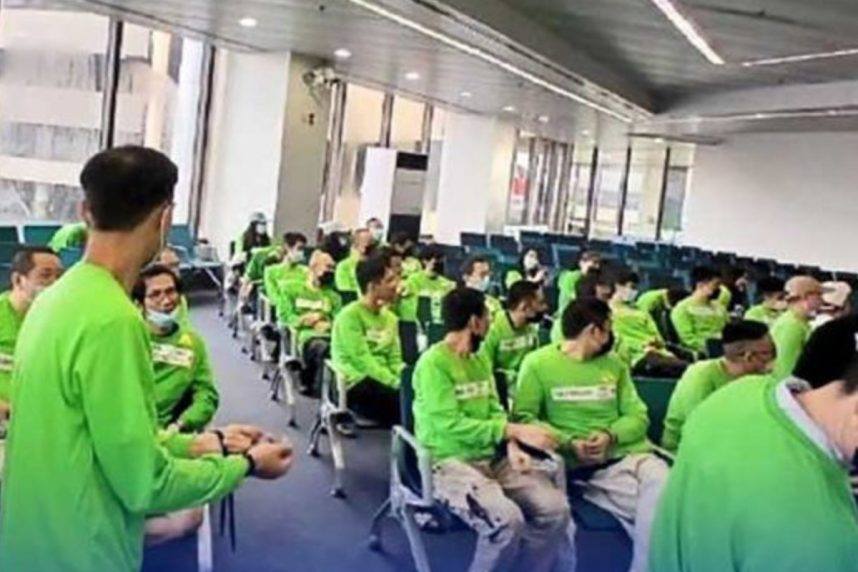
According to a statement from the Philippines Immigration Bureau, the 91 Chinese nationals were working in an offshore gaming establishment after the country had declared such operations illegal last year. The government revoked POGO licenses in July 2024 following orders from President Ferdinand “Bongbong” Marcos Jr.
Officials clarified that these individuals held various roles within an unauthorized POGO setup.
“We are committed to enforcing our immigration regulations. Those who exploit their stay in the Philippines and partake in illegal activities will face appropriate consequences,” stated Immigration Commissioner Joel Anthony Viado.
The bureau also mentioned that these deportees were captured during several coordinated raids, executed in conjunction with the Presidential Anti-Organized Crime Commission.
Expedited Deportation
The Philippines Immigration Bureau noted that the 91 Chinese nationals were put on a Philippine Airlines flight to China on the morning of September 19, with the help of the Chinese Embassy in Manila to hasten their deportation.
Before the ban, POGOs represented a $3 billion market. Marcos Jr. responded to pressure from China and other Asian countries to dismantle the Philippine iGaming sector, which catered to players from nations where online gambling remains prohibited, mainly China.
Former President Rodrigo Duterte ignored similar requests to ban POGOs, highlighting the economic benefits they provided. In 2019, he stated that these operations were too significant for the nation’s tax revenue.
“China cannot direct our policies,” asserted one of Duterte’s senior advisors.
Marcos Jr. chose a different approach to enhance diplomatic relations with China, but many former POGO employees are now facing the consequences of this shift.
Possible Legal Consequences
Thousands of Chinese workers were attracted to the Philippines by promises of competitive salaries and living conditions in POGOs. Unfortunately, many reported experiences akin to modern-day slavery, with lower wages than expected.
With the POGO industry dismantled, many of these individuals now struggle to secure employment, and returning home poses significant legal risks.
The 91 deported workers are likely to face prosecution upon their return to China, as the Communist Party of China forbids all citizens from gambling abroad as well as engaging in gaming-related occupations. Beijing claims that overseas gambling undermines its national security and economic framework.
At the peak of the POGO industry in 2019, around 130,000 Chinese nationals were employed in this sector, often filling roles in call centers that required Mandarin speakers.
Numerous international human rights organizations have consistently ranked Chinese prisons among the most brutal in the world, characterized by torture, forced labor, and deplorable living conditions.