


Published on: December 17, 2025, 01:38h.
Updated on: December 17, 2025, 01:38h.

- Problematic gambling among youth is rising in Pennsylvania
- A leading advocate for responsible gaming in the state attributes this trend to prediction markets
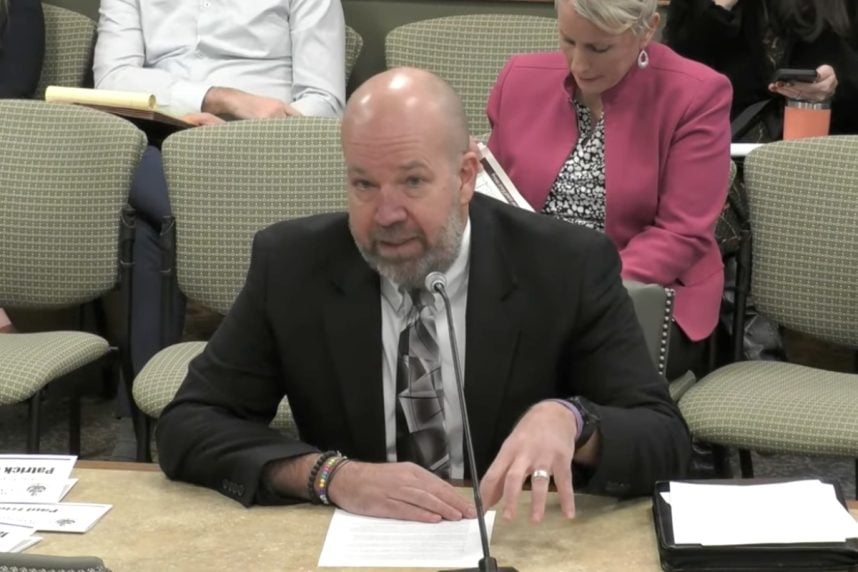
The Pennsylvania Gaming Control Board (PGCB) and the Council on Compulsive Gambling of Pennsylvania addressed the House Gaming Oversight Committee on Tuesday to emphasize the urgent need for legislative action concerning the controversial prediction markets.
Prediction markets allow users to buy and sell shares based on the outcomes of various events, such as sports or binary yes/no scenarios. Across the country, state AGs, gaming regulators, and lawmakers have deemed these, particularly sports event contracts, to be illegal gambling.
Josh Ercole, leading the Council on Compulsive Gambling of Pennsylvania, reports a significant rise in helpline calls since the surge in prediction markets. Notably, November marked a first — the highest volume of calls to 1-800-GAMBLER came from individuals aged 18 to 24.
Historically, the 30- to 40-year-old age group accounted for the majority of these calls.
“We find ourselves in a completely altered landscape,” Ercole emphasized.
“Unlike operators licensed by the Pennsylvania Gaming Control Board, these prediction market platforms are not obligated to implement the extensive consumer protection measures enforced by state regulations. Classified as financial instruments by the U.S. Commodity Futures Trading Commission, they allow participation from as young as 18,” Ercole elaborated.
“Prediction markets pose risks to a susceptible demographic,” Ercole added. “In recent years, we have noted a sharp uptick in younger individuals reaching out to our helpline.”
Ercole’s organization serves as the official Pennsylvania representative of the National Council on Problem Gambling, advocating not for or against gambling, but for the enhancement of comprehensive policies to aid those facing gambling challenges.
Testimony from Chief Gaming Regulator
PGCB Chair Kevin O’Toole asserted that prediction markets jeopardize the integrity of Pennsylvania’s well-regulated gaming sector.
“Prediction markets or event contracts are a modern twist on an age-old concept. We acknowledge the historical and legitimate role of futures markets in trading commodities, intended for risk management and enabling producers, consumers, and enterprises to safeguard against fluctuating prices of agricultural goods, metals, and energy,” O’Toole explained. “However, the landscape and scale of these new platforms have evolved immensely.”
The PGCB chair noted that operators such as Kalshi and Polymarket have expanded “far beyond” the original purposes of derivative trading and hedging, essentially enabling high-volume betting outside of Pennsylvania’s established consumer protection, responsible gambling, and tax regulations.
He concluded by highlighting that the rise of prediction markets in Pennsylvania has led to a “dual-track system,” with one side being rigorously regulated while the other resembles the “wild west.”
O’Toole added, “The Board stands firm in its warnings to federal regulators that these markets are highly problematic,” passing the presentation to Steve Cook, PGCB’s chief counsel.
Prediction markets argue that they operate legally under federal regulations, citing Designated Contract Market and Derivatives Clearing Organization licenses from the Commodity Futures Trading Commission.
“The CFTC has neglected to enforce the Commodity Exchange Act’s ban on futures trading within the gaming space,” stated Cook. “We’re witnessing a form of regulatory arbitrage, with federal preemption being used beyond its intended purpose to protect operators from state regulatory authority.”
Members of the House Gaming Oversight Committee appeared receptive to the discourse and are likely to take action when the legislative session resumes in January.