


Published on: November 21, 2025, 07:20h.
Updated on: November 21, 2025, 07:20h.

- Fraudulent lottery-prediction websites scammed 27 individuals.
- Victims incurred losses totaling 1.2 billion won over three years.
- Phony “prediction systems” and fraudulent wins kept victims entrapped.
South Korean authorities have apprehended ten alleged members of a gang that misled unsuspecting victims by claiming they had an infallible method for predicting lottery numbers, according to local news sources.
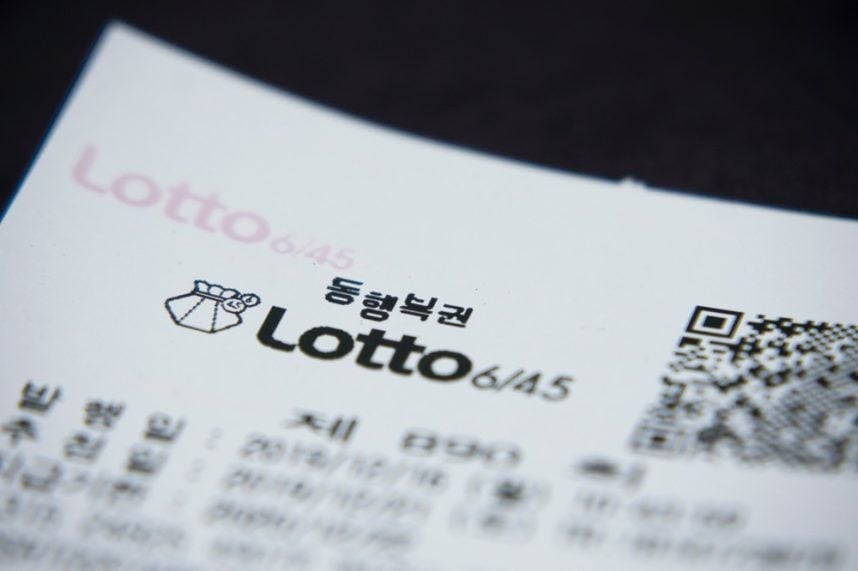
The gang deceived 27 victims, siphoning off 1.2 billion Korean won (approx. US$814K) across three years through this get-rich-quick scheme, reported Busan Seo-bu Police. All suspects are now facing charges under the Specific Economic Crimes Aggravated Punishment Act.
Three suspects, including the presumed leader—a man in his 30s referred to as “A”—have been charged under the Special Act on Lottery Punishments and are currently in custody.
Absurd Promises
The group operated four websites that claimed to offer access to winning lottery numbers, accessible only after victims paid a fee upfront. They falsely asserted that the funds were essential for generating “special balls” and to lobby the Donghaeng Lottery—details not clarified in local reports.
Victims, primarily aged between 40 and 60, faced individual losses ranging from millions to tens of millions of Korean won, according to police reports.
Reports of such scams have surged in South Korea. In April, an operator of a different fraudulent lottery-prediction site received a 12-year prison sentence from the Incheon District Court for conning victims out of over 40 billion won ($28 million) in just two years.
The mastermind behind the scheme employed 52 individuals to manage a website that erroneously claimed to generate scientifically derived lottery numbers.
‘Lottery Number Prediction System’
The group marketed a so-called “lottery number prediction engine,” claiming that it utilized mathematical analysis to forecast winning combinations. However, the numbers were generated randomly, and the entire prediction engine was fabricated.
The con artists even released supposed winning numbers after actual draws, manipulating the results to make it appear as if their prediction engine had performed accurately.
Typically, fraudsters bolster their deception by showcasing fake winning numbers or fabricated testimonials from purported “winners.” They might also offer the promise of refunds if clients don’t win—this, too, is a deceit.
Ultimately, aside from buying every possible winning combination (which is only advantageous under certain conditions), no method can successfully outsmart the lottery, a game of pure chance.
“Randomly generated numbers purportedly sent as ‘first-prize lottery numbers’ have minimal chances of actually winning. Individuals should be wary of the alluring promises of guaranteed wins,” warned a spokesperson from Busan Seo-bu Police.