


Published on: January 12, 2026, at 04:12h.
Updated on: January 11, 2026, at 07:03h.

- Launching of sportsbook prediction markets with limited resources for responsible gaming
- As detailed in a report by Sportico, the absence of a helpline was particularly noted
A report from Sportico reveals the disparities between the betting apps of sportsbooks and the newly introduced prediction markets.
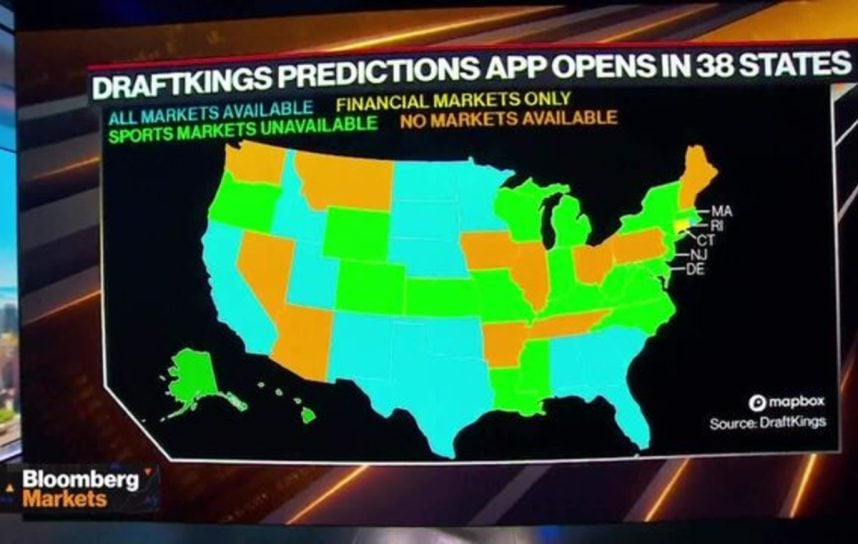
Recently, Fanatics, DraftKings, and FanDuel introduced Fanatics Markets, DraftKings Predictions, and FanDuel Predicts, respectively. These prediction markets are overseen by the Commodity Futures Trading Commission (CFTC), while their online platforms and applications hold Designated Contract Market and Futures Commission Merchant licenses from this independent federal agency.
Unlike traditional gaming laws at the state level, prediction markets do not have mandated responsible gaming protections. The CFTC does not enforce these standards, as it prohibits its licensees from offering contracts related to “gaming.”
Critics of Kalshi and the newly launched sportsbook prediction markets contend that contracts tied to sports events are akin to illegal gambling, a viewpoint largely shared by state lawmakers, gaming regulators, and attorneys general.
Prediction Markets and Responsible Gambling Practices
Opponents of CFTC-regulated prediction markets argue that DraftKings, FanDuel, and Fanatics established these platforms to circumvent gambling restrictions in states where such betting is banned, including California and Texas. Assistant Editor of Sportico, Dan Bernstein, noted in a recent report that these sportsbooks have provided significantly fewer responsible gaming resources in their prediction market applications compared to their sports betting services.
Upon launching, these companies have only integrated a few anti-addiction tools from their existing mobile sportsbooks into their new prediction market apps. Users can set betting limits and temporarily restrict their accounts, yet the platforms did not initially include information about gambling addiction hotlines, session time statistics, or similar visualizations of betting history,” Bernstein stated.
Every state with commercial casino operations mandates that operators promote responsible gaming resources. In the 31 states and Washington, DC, which regulate online sports betting, all require online sportsbooks to provide self-help hotlines like 1-800-GAMBLER or 1-800-522-4700.
Prediction markets evade state and tribal regulations and assert their federal oversight by the CFTC, an agency lacking expertise in gambling regulation that typically oversees commodities like cattle futures, not sportsbook operations or responsible gaming measures,” added the American Gaming Association.
Before launching their prediction markets, DraftKings, FanDuel, and Fanatics withdrew their memberships from the AGA.
Response from Sportsbooks
Following the Sportico report, FanDuel Predicts has now included the National Council on Problem Gambling hotline number (1-800-522-4700). A DraftKings representative stated that DraftKings Predictions offers various responsible gaming features, such as deposit limits, cooling-off periods, and options for self-exclusion.
Keith Whyte, former executive director of the NCPG and now with FanDuel Predicts, expressed to Sportico that “we can’t simply assume a universal approach” as “this is all unfamiliar territory, and there are distinctions between the different platforms.”
Cole Wogoman, the government relations director at the NCPG and a former associate of Whyte, voiced a differing perspective.
From a problematic gambling standpoint, engaging in the buying and selling of futures contracts through prediction markets effectively constitutes gambling, especially when such contracts relate to sports, which has a long-standing association with gambling,” Wogoman commented. “The legal categorization of prediction markets is inconsequential when assessing their contributions to gambling issues.”