


Published on: November 14, 2025, at 12:05 PM.
Updated on: November 14, 2025, at 12:04 PM.

Michigan’s gambling legacy is marked not only by its thriving casinos but also by those that have closed their doors. Seven notable establishments, ranked by their historical significance, have shaped the landscape of tribal sovereignty, urban gambling, and regulatory changes. Although these venues are no longer operational, their influence continues to resonate throughout Michigan.
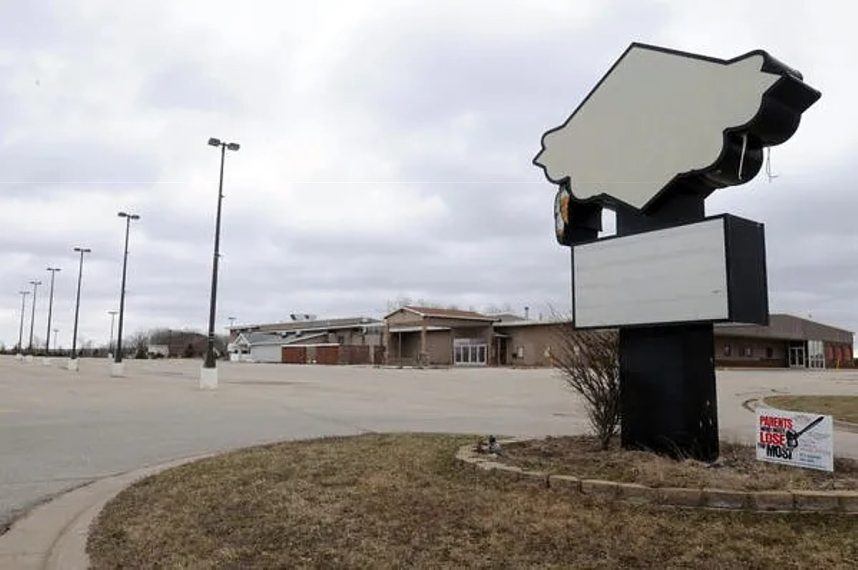
5. Victories Casino (2000–2007)
Petoskey — Little Traverse Bay Bands of Odawa Indians
Established in a refurbished bowling alley, Victories Casino marked the tribe’s inaugural comprehensive gaming venue. It operated for a total of seven years and was pivotal in fostering Odawa gaming in northern Michigan.
Reason for Closure: Succeeded by Odawa Casino Resort on June 20, 2007
Current Status: Demolished in 2013; the land remains vacant.
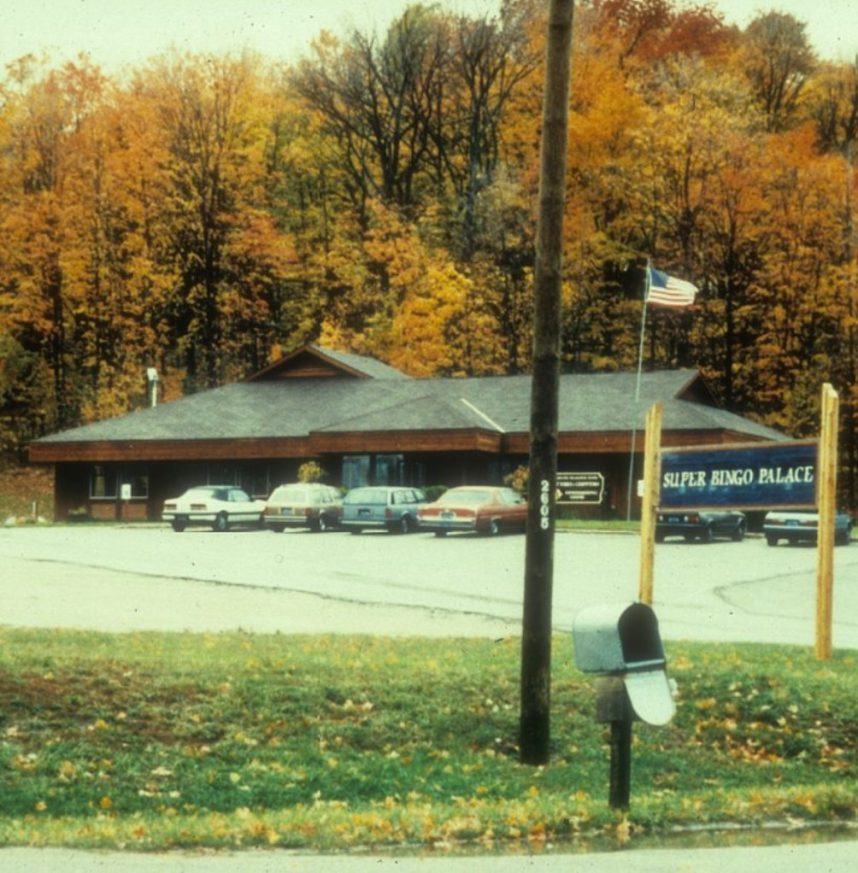
4. Super Bingo Palace (1984–1985)
Peshawbestown — Grand Traverse Band of Ottawa and Chippewa Indians
Launched in July 1984, this venue was the tribe’s first step into high-stakes bingo. It attracted steady attendees and played a critical role in steering Michigan toward formal tribal-state agreements. While it was classified as a bingo hall, it functioned as a comprehensive gaming venue under tribal authority, aiding in the tribe’s aspirations for Class III gaming.
Reason for Closure: Transitioned into and was replaced by Leelanau Sands Casino (opened May 1991)
Current Status: Demolished; the site is now integrated into Turtle Creek Casino & Hotel.
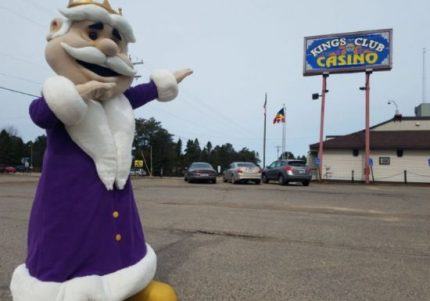
3. Kings Club Casino (1984–2020)
Brimley — Bay Mills Indian Community
Pioneering the introduction of slots and blackjack in tribal casinos, Kings Club operated for 36 years and was crucial in advancing the modern tribal gaming movement.
Reason for Closure: Closed due to COVID-19 and did not reopen
Current Status: Demolished in 2025; the site is being redeveloped for retail and residential use.
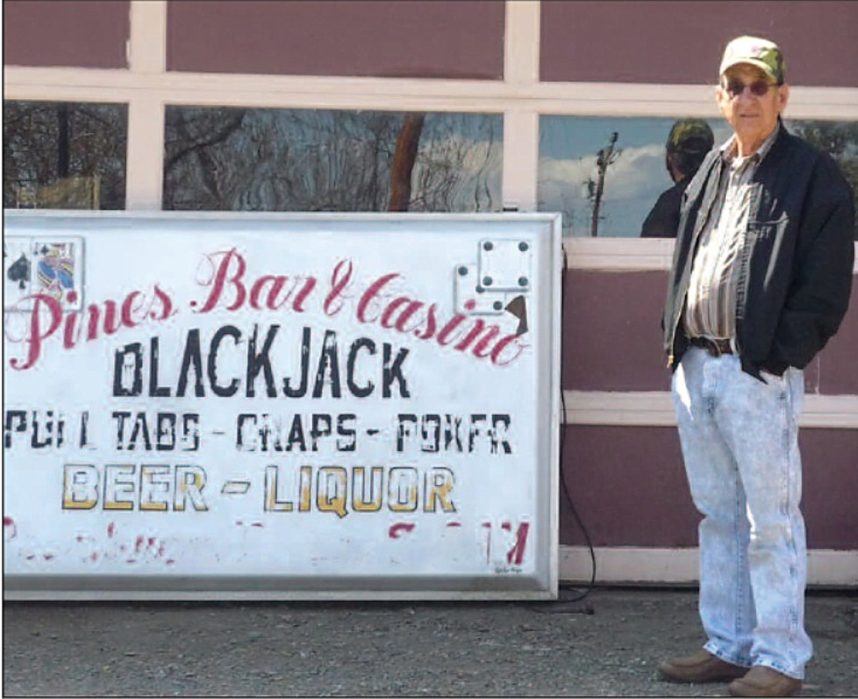
2. The Pines Casino (1983–1985)
Zeba — Keweenaw Bay Indian Community
Fred Dakota’s garage casino functioned legally under tribal rights within the Keweenaw Bay Indian Community. However, it breached state laws in Michigan that prohibited public gambling outside licensed charitable organizations. This conflict between tribal rights and state law made The Pines a significant point of contention for tribal gaming. Its brief existence prompted federal investigation and played a crucial role in the formation of the Indian Gaming Regulatory Act of 1988.
Reason for Closure: FBI Raid and a federal ban
Current Status: Now a private residence; the original garage remains intact.
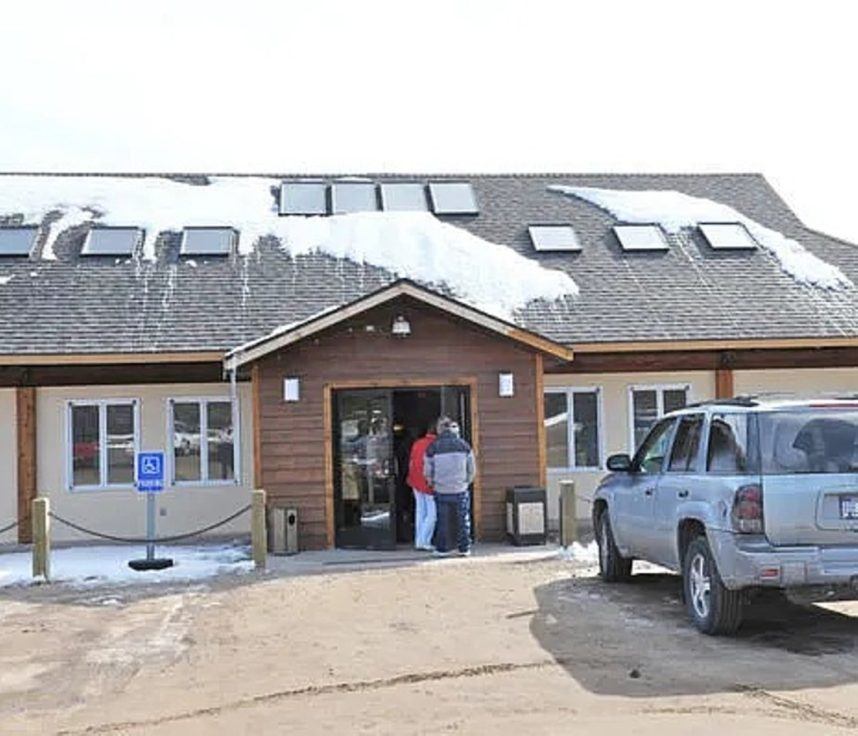
1. Vanderbilt Casino (2010–2011)
Vanderbilt — Bay Mills Indian Community
This off-reservation casino had a brief existence of just five months before facing a lawsuit from the state, igniting a decade-long legal struggle that culminated in a US Supreme Court ruling affirming that Indian tribes possess sovereign immunity from such lawsuits. The case was subsequently sent back to the US District Court for Western Michigan, culminating in a settlement wherein the tribe agreed to refrain from operating a gaming facility on the land for at least five years. This tribe became one of the pioneers in internet gaming within the state but never reopened the casino.
Reason for Closure: Federal injunction following state litigation
Current Status: Currently a vacant property; no plans for future reopening.