


Published on: April 8, 2026, 03:49h.
Updated on: April 8, 2026, 03:49h.

Attorneys representing a man wrongfully detained at Reno’s Peppermill Casino, due to an erroneous AI facial recognition match, argue that inadequate training has led law enforcement to unlawfully arrest “thousands” in similar situations.
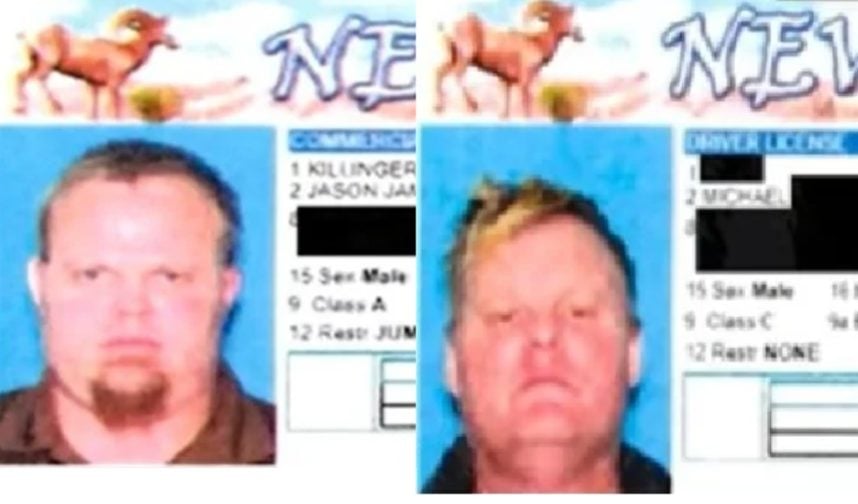
In September 2023, truck driver Jason Killinger was incorrectly identified as a “100% match” to a banned individual, Michael Ellis, who had previously been prohibited from the venue for sleeping on the property.
Detained for an Extended Period
Killinger was taken into custody by casino security and subsequently arrested by rookie Reno Police officer Richard Jager. Jager disregarded Killinger’s claims of innocence, accusing him of using false identification despite Killinger presenting proof of his identity.
He remained in custody for 11 hours, with four of those hours spent handcuffed, resulting in bruises and shoulder pain, as noted in a lawsuit he filed against Jager.
The lawsuit alleges that, even after his identity was verified through a fingerprint analysis at the Washoe County jail, Jager submitted a police report asserting that Killinger had provided conflicting identification to Peppermill security.
City Involved in the Lawsuit
Recently, federal Judge Miranda Du approved a motion to include the City of Reno as a defendant in the lawsuit, after it continued legal proceedings against Killinger even post-exoneration and allegedly failed to adequately train police regarding the limitations of facial recognition technology during Killinger’s arrest.
A recent legal filing by Killinger’s attorneys claims that the Reno Police Department has long been cognizant of the unreliability of facial recognition results in determining arrests but continued its practices under Chief Kathryn Nance.
The lawsuit contends that Jager’s actions were not an isolated incident by a rogue officer, but rather reflect a widespread practice involving numerous city employees making thousands of similar arrests over the years.
Killinger asserts that Jager’s actions violated his Fourteenth Amendment rights concerning due process. Moreover, he claims that Jager’s reports omitted critical evidence from fingerprint analysis clearing him and inaccurately depicted him as uncooperative with multiple identities.
The lawsuit states that these omissions amounted to evidence fabrication. While the filing seeks compensatory, special, and punitive damages, it does not specify an amount.
Killinger has already initiated legal action against the Peppermill, resulting in a pre-trial settlement for an undisclosed sum.