


The Las Vegas Strip stands as a testament to bold ventures, renewal, and the idea that any notion—regardless of how unconventional, costly, or impractical—could transform into the next major draw. At times, these risks yield rewards; at others, they lead to catastrophic failures.
Here are our Top 7 choices for the most disastrous concepts to ever emerge from Las Vegas. These aren’t just minor mistakes; they represent significant blunders that wasted millions and turned away patrons. Even in a city known for its eccentricity, some concepts should remain strictly on paper.
7. Lucky Dragon Casino (2016-2018)
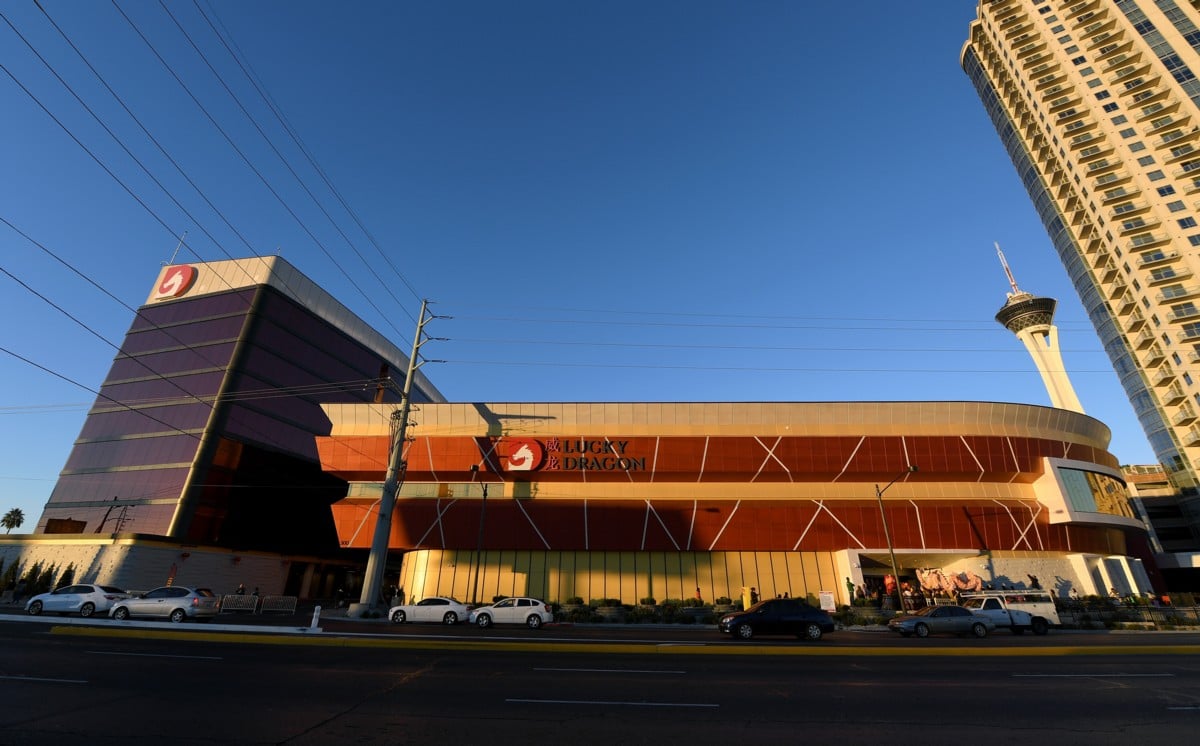
This intimate, Asian-inspired casino, located off the main Strip, faced challenges from day one when it opened in 2016. Its overly specialized concept, combined with a remote location, marketing shortcomings, and fierce competition, contributed to its downfall.

6. Nikki Beach Dayclub & Club Nikki Nightclub at Tropicana (2011)
In 2011, a hospitality firm from Miami launched a glamorous, upscale dayclub within a casino that primarily catered to retired patrons looking for bargains. Lasting just one season, it resulted in substantial losses before being shut down.

5. The Harmon Hotel at CityCenter (2008-2015)
MGM Resorts envisioned the Harmon Hotel as a 49-story hotel and condominium tower. However, halfway through construction in 2008, it was discovered that the critical rebar reinforcement was either improperly installed or completely absent in vital shear walls.
This half-finished structure, prominently visible to traffic on the Las Vegas Strip, had to be taken apart floor by floor, a demolition completed by 2015 after MGM and its partners had invested hundreds of millions into the ill-fated project.
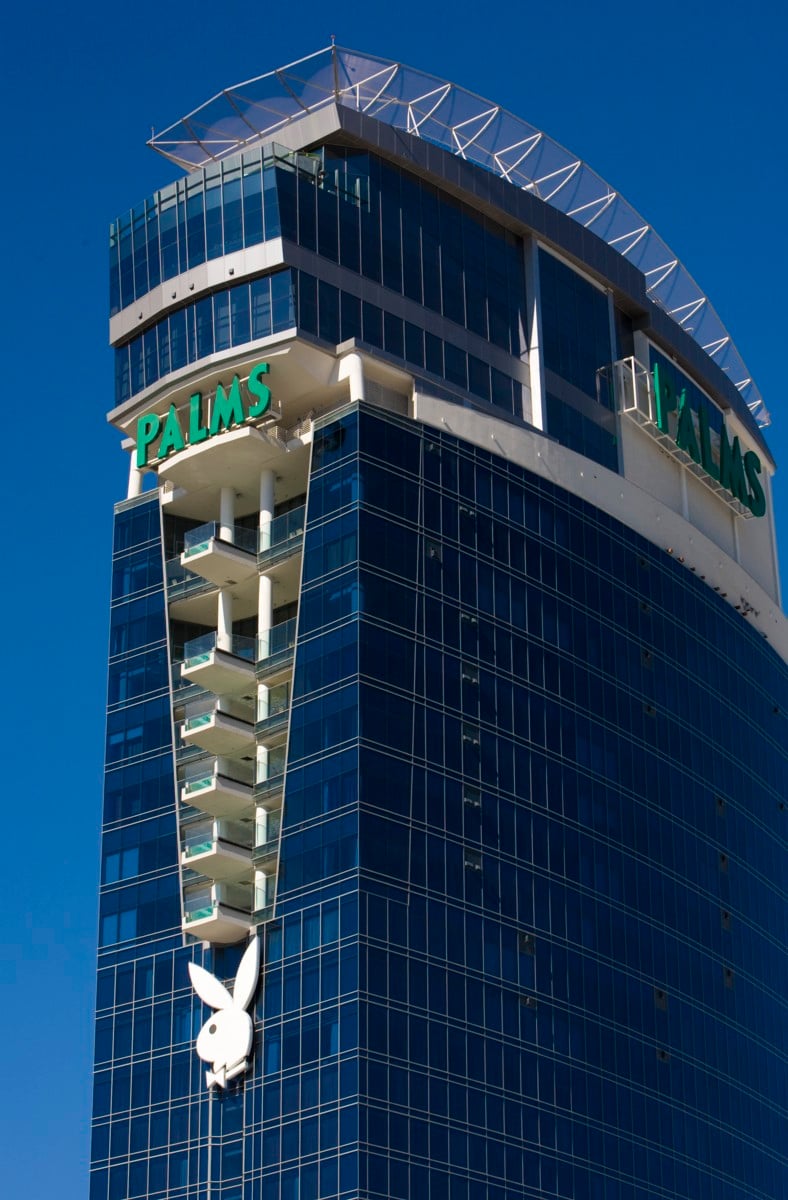
4. The Palms’ Playboy Club & Hugh Hefner Sky Villa (2006-2012)
In 2006, the Palms launched a Playboy Club featuring bunny dealers and the $40,000-per-night Hugh Hefner Sky Villa. Partnering with Playboy Enterprises seemed like a brilliant idea back in 1974, but by the mid-2000s, the brand felt outdated.
Hefner was in his 80s, and his silk-robed, antiquated fantasies felt contrived to a younger audience that sought authenticity and equality in relationships. Moreover, the proliferation of free online adult content undercut the allure.
3. MGM Grand Adventures Theme Park (1993-2000)
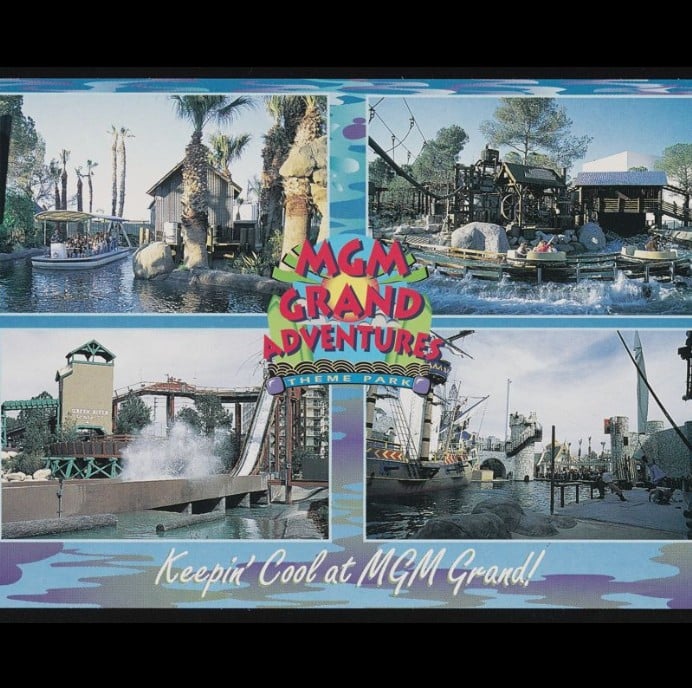
MGM Grand allocated $120 million to create a theme park at the rear of its relocated resort, complete with roller coasters, shows, and movie-themed rides. The goal was to rival Disney and attract families to Vegas.
The issue wasn’t the concept of a theme park on the Strip; the sustained popularity of Circus Circus’ Adventuredome, which opened the very same year, demonstrates that. The real mistake was not enclosing the park in a climate-controlled dome. Families vacation in the summer, but MGM Grand Adventures left them waiting in long lines under sweltering 110-degree heat.
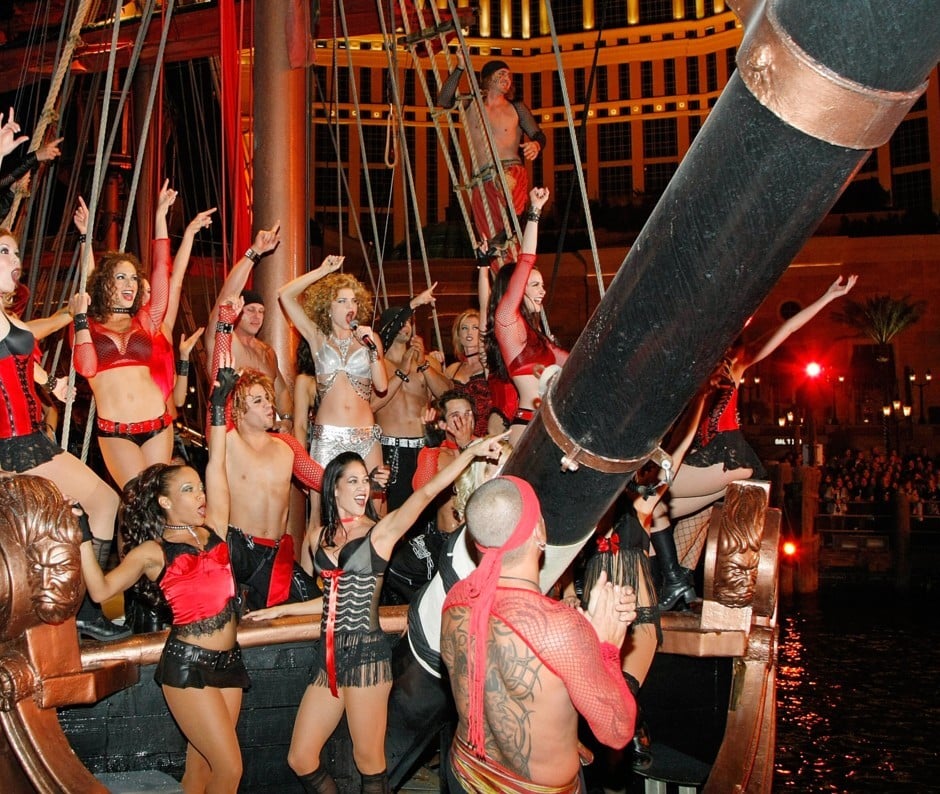
2. Sirens of TI (2003-2013)
Treasure Island’s Battle of Buccaneer Bay showcased a delightful, family-oriented pirate show. Its replacement—a poorly conceived, overly sexualized MTV-style production, complete with mediocre music and worse dialogue—marked one of the most significant entertainment failures in Las Vegas history.
Sirens of TI became an unfortunate joke, dissuading families and failing to draw in younger gamers. Audiences began watching it ironically, eager to witness the veracity of the dreadful reviews they had heard. (Spoiler: it lived up to the hype.)
Eventually, TI decided to end the show.
1. A Monorail That Skips the Airport (2004-present)
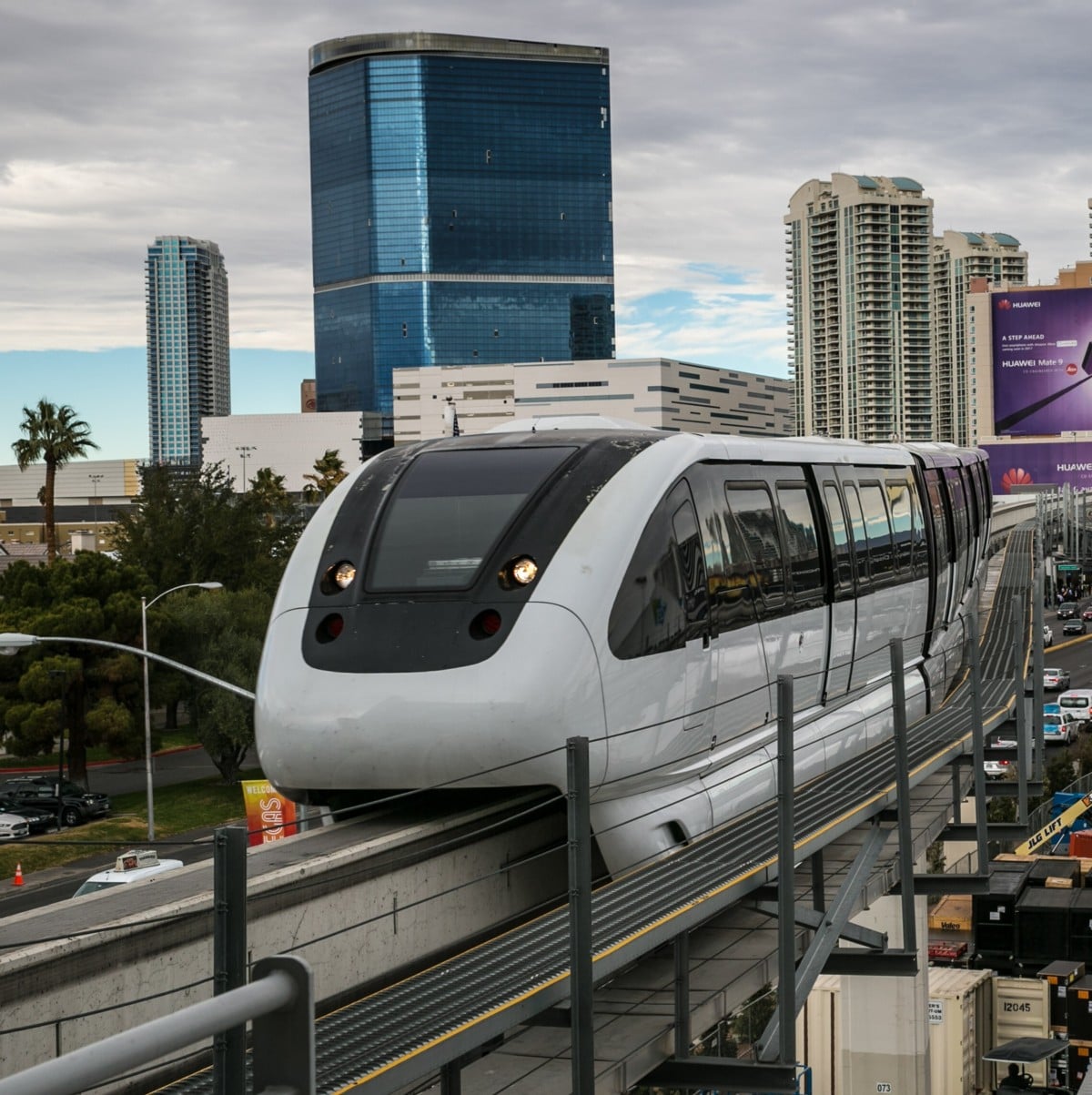
In 1995, MGM Grand and Bally’s introduced a straightforward shuttle linking them using two previously owned Disney Mark IV trains—a perfectly viable solution. This stood in stark contrast to the flawed plan for a four-mile monorail that would only serve seven east-side resorts, entirely omitting the airport.
Las Vegas Monorail cars lacked adequate luggage space, which aviation authorities cited as the primary reason for rejecting all airport monorail station proposals. After its 2004 launch, the monorail consistently underperformed, filing for bankruptcy twice before being acquired for a mere $24 million in 2020 (a fraction of its $650 million construction cost) by the LVCVA, which aims to retire the outdated system between 2033-2035, repurposing its elevated track for the upcoming Vegas Loop.