


Published on: February 9, 2026, 07:21h.
Updated on: February 9, 2026, 07:37h.

A long-standing misconception about Karen Carpenter—the angelic singer who passed away 43 years ago—suggests she collapsed on stage in Las Vegas, prompting a global conversation about anorexia for the first time. Many even claim she fell while performing “Top of the World.” This captivating narrative, however, is not true.
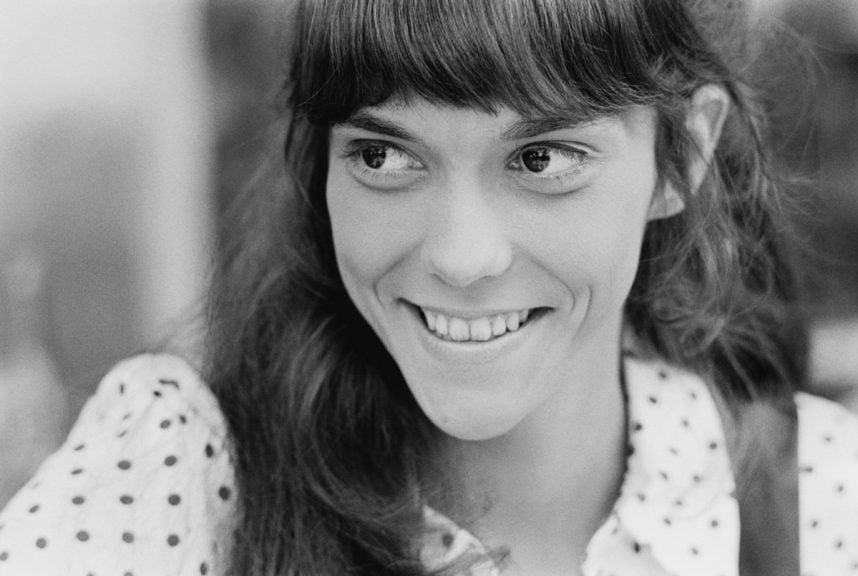
In truth, Carpenter collapsed at the Riviera Hotel on September 4, 1975, but this incident occurred backstage after a performance—she fell into the arms of her manager, Sherwin Bash. A hotel doctor attended to her, and she performed two more shows the next evening.
Even academic sources occasionally confuse myth with fact. In the 2017 article “Skinny Blues: Karen Carpenter, Anorexia Nervosa and Popular Music” from Cambridge University Press, author George McKay stated: “We might locate that colloquial inauguration of anorexia on a Las Vegas nightclub stage in the fall of 1975, when Karen Carpenter collapsed while singing ‘Top of the World.’”
The Beginning of Their Journey
The story of The Carpenters traces back to 1963 when Harold and Agnes Carpenter relocated their children—Richard, aged 17, and Karen, aged 13—from New Haven to Downey, California. Richard exhibited prodigious piano talent, while Karen made music using chopsticks on chairs.
Once Karen received an actual drum set in 1965, Richard formed the Richard Carpenter Trio, recruiting Wes Jacobs on bass and tuba. A year later, the trio triumphed in a battle of the bands at the Hollywood Bowl. By the time she graduated, Karen had become a renowned drummer.
At California State University, Long Beach, the duo headlined a harmony-centric group called Spectrum, which laid the groundwork for their future polished sound. Their demo recordings caught the attention of Herb Alpert, co-founder of A&M Records, leading to their signing in 1969 when Karen was merely 19.
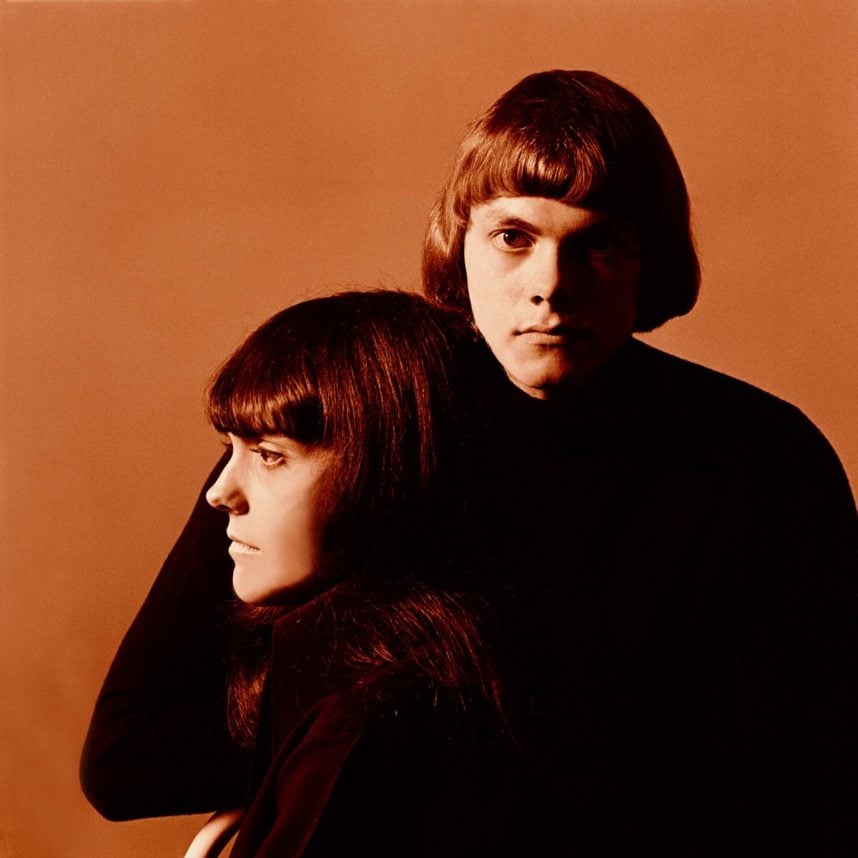
Their second album, “Close to You,” was released a year later and became a sensation. Its title track topped charts, while “We’ve Only Just Begun” reached No. 2. The duo became a defining force of the 1970s music scene, selling over 100 million records, earning three Grammys, and becoming regulars on television specials and variety shows.
However, their rise to fame came with challenges. At 5’4”, Karen was less visible behind her drum kit, prompting the label to move her to the forefront, hiring another drummer to take her previous position. Being in the spotlight made her feel vulnerable and triggered memories of being teased by her mother about her weight when she was 145 lbs.
When success came, Karen weighed a healthy 120 lbs., but her perception was different. By 1975, her dieting had spiraled, and she dropped to a shocking 90 lbs.
In his review for Variety covering the duo’s September 1975 residency at the Riviera, critic Bill Willard noted: “Karen is looking painfully thin—almost to the point of being cadaverous.”
Willard continued, saying that watching her perform felt akin to “watching a ghost,” suggesting that instead of engaging with the music, viewers were left wondering how she managed to stay on her feet.
Unveiling the Myths
The narrative of Carpenter’s onstage collapse originates from The Karen Carpenter Story. This CBS film, released in 1989, became one of the highest-rated TV movies of the year.
In the biography Little Girl Blue: The Life of Karen Carpenter published in 2010, Richard revealed that while he was consulted during the production—providing musical direction and even Karen’s actual clothing for actress Cynthia Gibb to wear—the producers insisted on embellishing certain elements for dramatic effect.
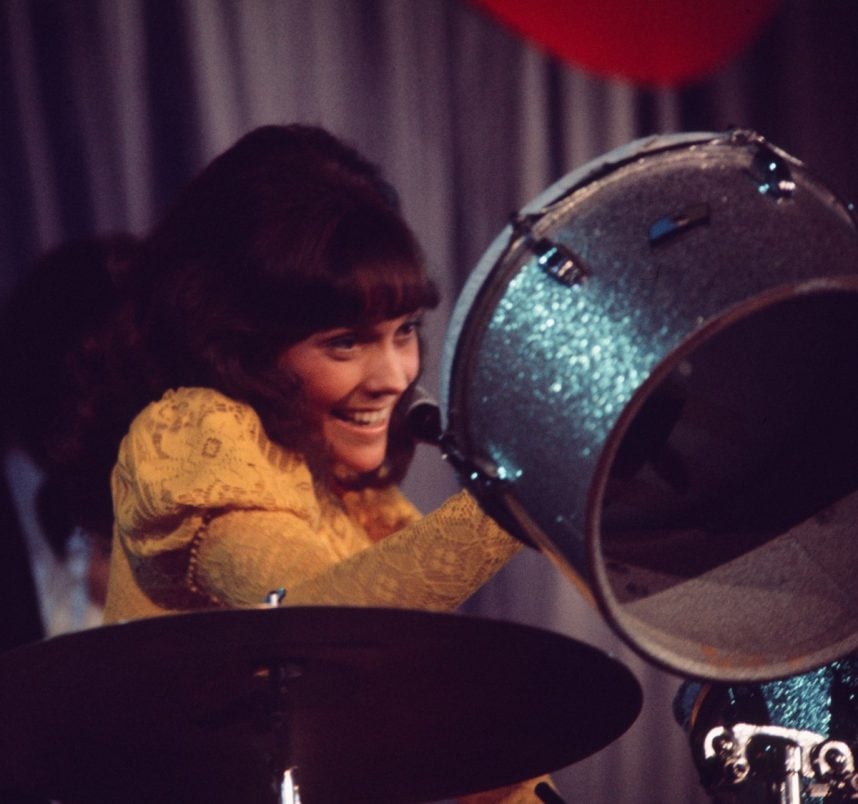
“Karen didn’t collapse on stage,” Richard commented. “This is a TV movie, so take it with a pinch of salt.”
The film cleverly employed “Top of the World” to illustrate the irony of her struggle, contrasting her high success with her detrimental health state.
Another misconception propagated by the TV movie is that a 1973 review in Billboard magazine instigated her eating disorder by referring to Karen dismissively as “Richard’s chubby sister.” (Following the movie’s release, the magazine’s editorial team reported reviewing all issues from 1969 to 1980 and found no such comment.)
A Complicated Reality
Though Karen managed to recover from her backstage episode at the Riviera, her health continued to decline. Just four days later, following the fallout from the Variety review, her manager made the decision to cancel the remaining residency dates.
Shortly after, on September 16, Karen sought treatment at Cedars-Sinai in Los Angeles. However, despite advances in nutrition therapy, the understanding of eating disorders was minimal at the time.
A&M’s public relations team worked to reshape the narrative, claiming Karen faced a severe viral infection worsened by the Las Vegas climate.
This excuse could not clarify the cancellation of over 50 upcoming performances in Europe and Japan, including a Royal Command Performance for Queen Elizabeth II. Thus, A&M enlisted Rogers & Cowan, the premier music PR agency of the time, to present Karen’s health issues as a “severe situation of physical and emotional exhaustion due to a demanding performance schedule.”
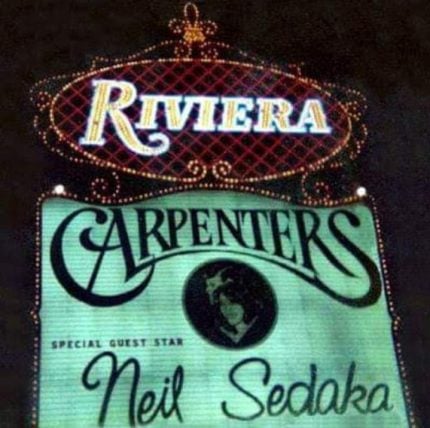
This was more than mere PR; it became a strategic necessity. The Riviera filed a $300,000 breach-of-contract lawsuit against A&M for the canceled shows, including an unannounced engagement that was set for December. Framing Karen’s situation as a critical health concern rather than a personal issue allowed the record label to negotiate a settlement, the specifics of which were never revealed.
The Riviera’s frustration stemmed from Richard’s decision to terminate opening act Neil Sedaka, whose established audience brought in significant revenue for the casino.
Richard felt aggrieved because Sedaka, a 1950s star attempting a comeback, garnered more audience response than The Carpenters. His multiple encore performances irritated Richard, who felt overshadowed by the applause. (Sedaka later commented in Little Girl Blue, “I didn’t think there was such a thing as being too good at your job.”)
Moving Forward
The Carpenters made their return to Las Vegas in July 1977, maintaining the facade that all was well while performing at the MGM Grand (now encompasses Horseshoe). However, a year later in August and September 1978, they were forced to cut short their second Vegas residency for Richard’s health issues as he battled a serious addiction to Quaaludes and sought intensive treatment.
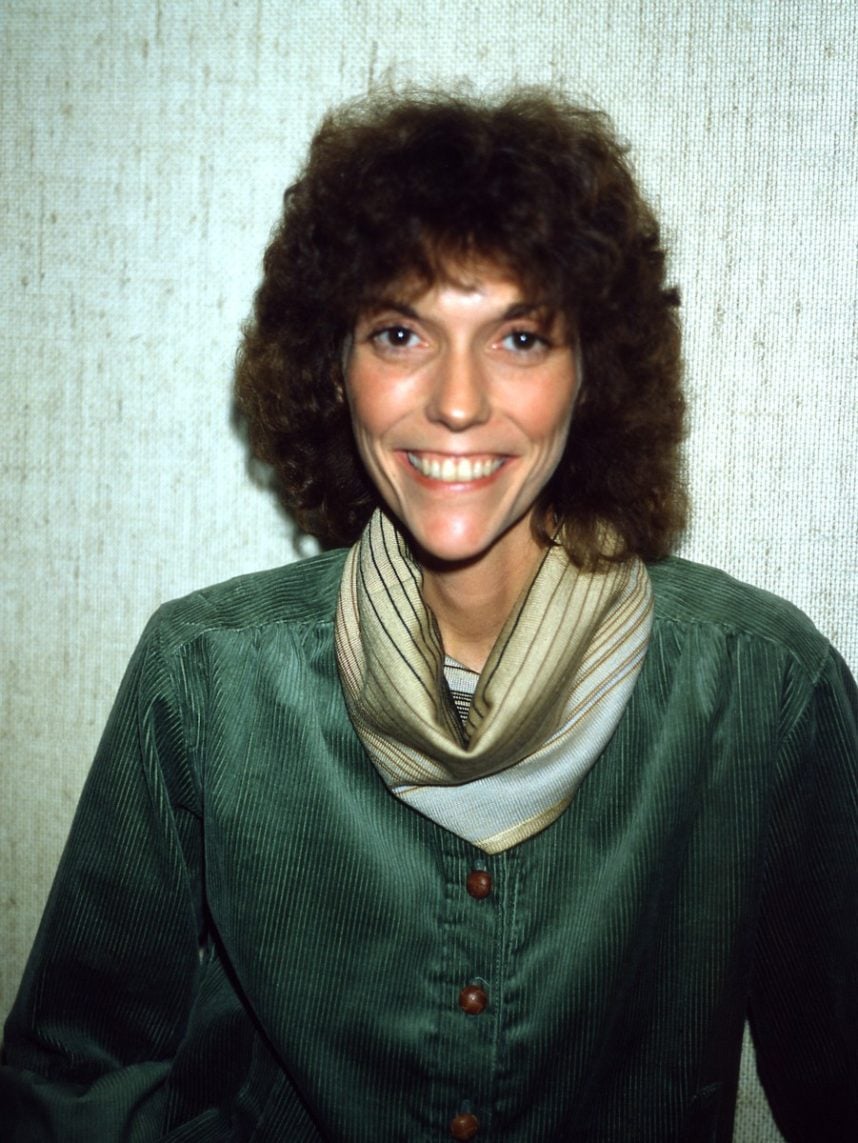
The duo continued creating music and filming TV specials, though they never toured again. Their final performance took place on December 3, 1978, at the Pacific Terrace Theatre in Long Beach, California, as a one-time benefit for the local symphony orchestra.
In September 1982, Karen was hospitalized again, this time at Lenox Hill Hospital in New York, where she was placed on intravenous nutrition.
During her two-month hospitalization, she gained 30 pounds, but it was too late. The ongoing vomiting—and the misuse of ipecac syrup to induce it—had caused irreparable damage to her heart.
On February 4, 1983, Agnes Carpenter discovered her daughter unresponsive on the floor of her childhood room in Downey. Although EMTs detected a weak pulse, Karen succumbed to cardiac arrest while en route to the hospital.
She was only 32 years old.
Check out “Vegas Myths Busted” every Monday on Casino.org. Visit VegasMythsBusted.com for previously debunked Vegas myths. Have a myth suggestion that needs investigating? Email [email protected].