


Published on: December 1, 2025, 07:21h.
Updated on: November 30, 2025, 11:35h.

Sammy Davis Jr., along with his father Sammy Sr. and manager Will Mastin, formed the Will Mastin Trio, recognized as the first Black ensemble to perform on the Las Vegas Strip. This significant event is often cited to have taken place at El Rancho Vegas in 1944.
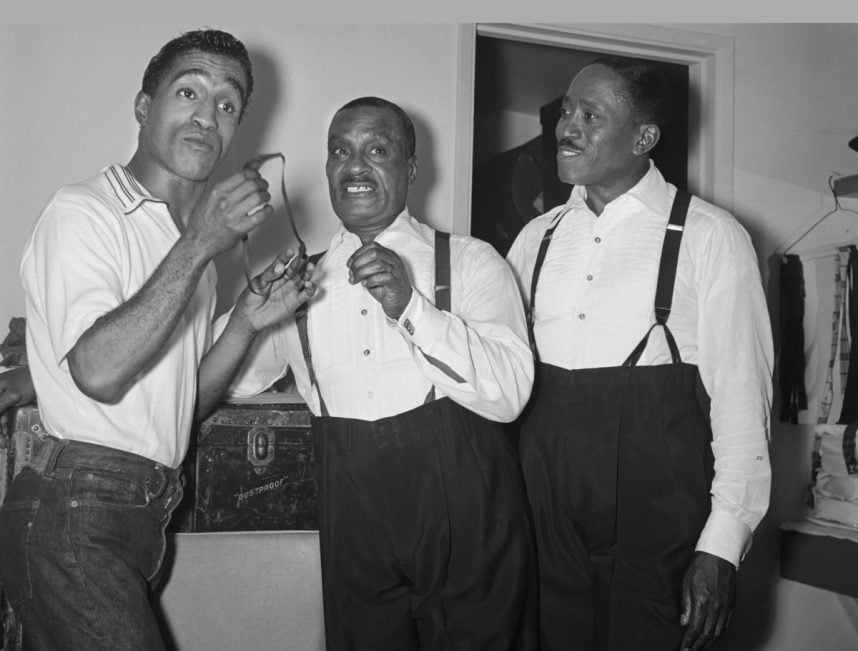
Our weekly series commenced four years ago not to challenge revered narratives, but to shed light on numerous myths surrounding Las Vegas.
Regrettably, despite the widespread admiration for Sammy Davis Jr. — which we share — this narrative is unverified. Research indicates that the earliest documented instance of the Will Mastin Trio performing at El Rancho was an advertisement published in Las Vegas newspapers on February 17, 1947.
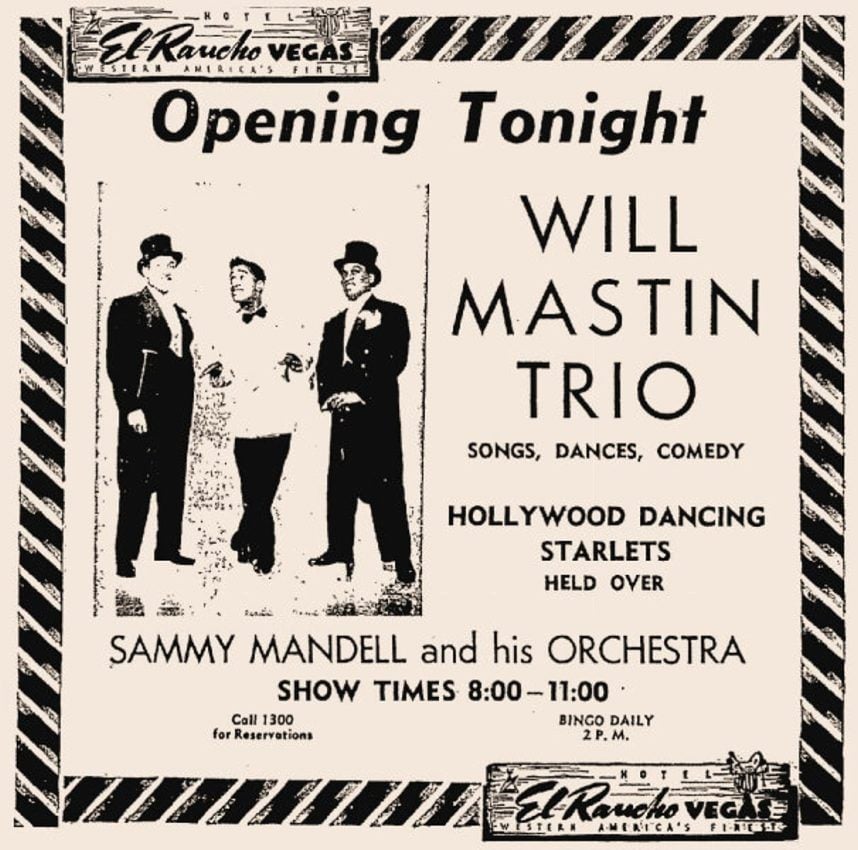
While this does not categorically rule out the possibility of the trio performing in 1944, the prevalent belief hinges on the fact that Davis was stationed in the military throughout that year.
During this period, he faced severe racist abuse from both fellow soldiers and superiors as part of the 270th Ordnance Company.
However, his exceptional skills in singing and dancing were recognized, leading to an assignment with Special Services, where he could entertain his fellow troops and embark on tours.
Nonetheless, his engagements were confined to military production shows, with one notable extended stay at Camp Roberts, a training location in California.
As was common practice then, active service members were restricted from holding civilian jobs.
The hiatus of the Will Mastin Trio during this period is corroborated by author Wil Haygood in his meticulously researched biography from 2003, “In Black and White: The Life of Sammy Davis, Jr.”
Haygood notes, “They welcomed the dawn of 1945 with an eerie solitude. Without Sammy, their evenings in Los Angeles felt void.”
Following Sammy’s honorable discharge on September 11, 1945, the trio quickly reunited and commenced rehearsals, with their first performance back in the late September or early October period, in Portland, Oregon.
Who Paved the Way Then?
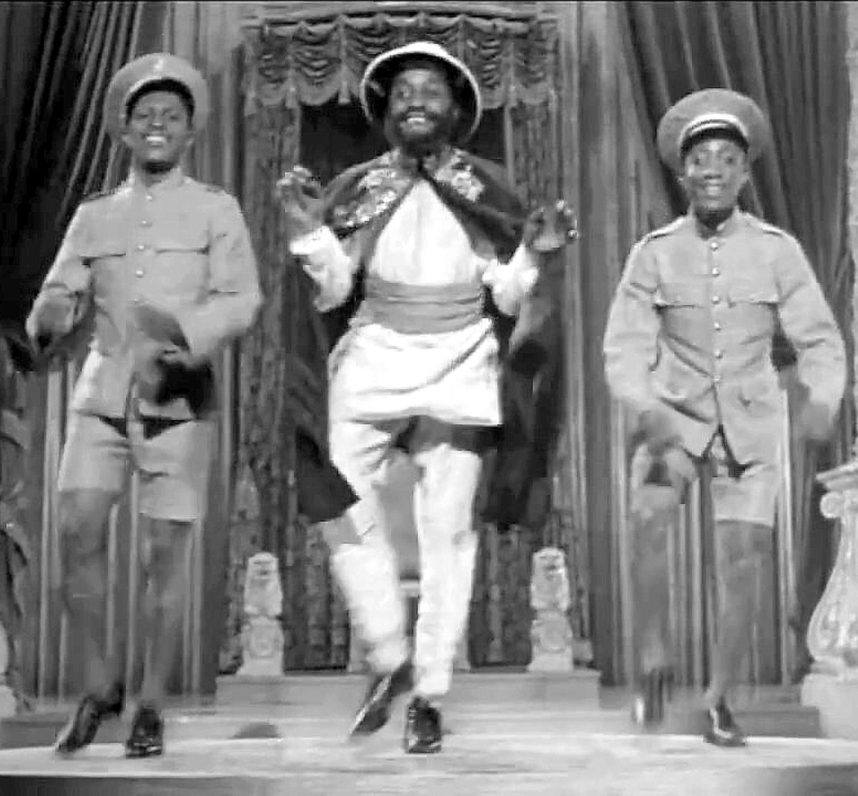
Disregarding the legendary 1944 performance, Tip, Tap & Toe would then be recognized as the inaugural Black act to grace the Las Vegas Strip.
According to an essay by notable historian Claytee White, director of the Oral History Research Center at UNLV, the tap-dancing trio — Sammy Green, Teddy Frazier, and Raymond Winfield — headlined at the Last Frontier sometime in 1945.
However, it’s important to acknowledge that the Strip likely hosted numerous lesser-known performers of color prior to them.
During that era, Black entertainers were often excluded from billboards, programs, advertisements, and media coverage to avoid offending racist audiences. Many were relegated to “Negro nights,” late-night performances, or anonymous warm-up slots — none of which were officially recorded.
In fact, it’s plausible that Black acts performed as early as 1931 at the Red Rooster, a nightclub that predates the El Rancho’s arrival on the Las Vegas Strip by a decade.
Catch “Vegas Myths Busted” every Monday on Casino.org. Visit VegasMythsBusted.com to explore previously debunked Vegas myths. Have an idea for a myth that requires clarification? Email [email protected].