


Published on: October 13, 2025, at 07:21h.
Updated on: October 12, 2025, at 06:20h.

The iconic Great Sphinx of Giza, located in Egypt, is strategically aligned to face east, symbolizing the dawn and the rebirth associated with ancient sun worship. Conversely, its modern counterpart, the Luxor Sphinx in Las Vegas, faces west, looking away from the sunrise and towards the bustling Strip.
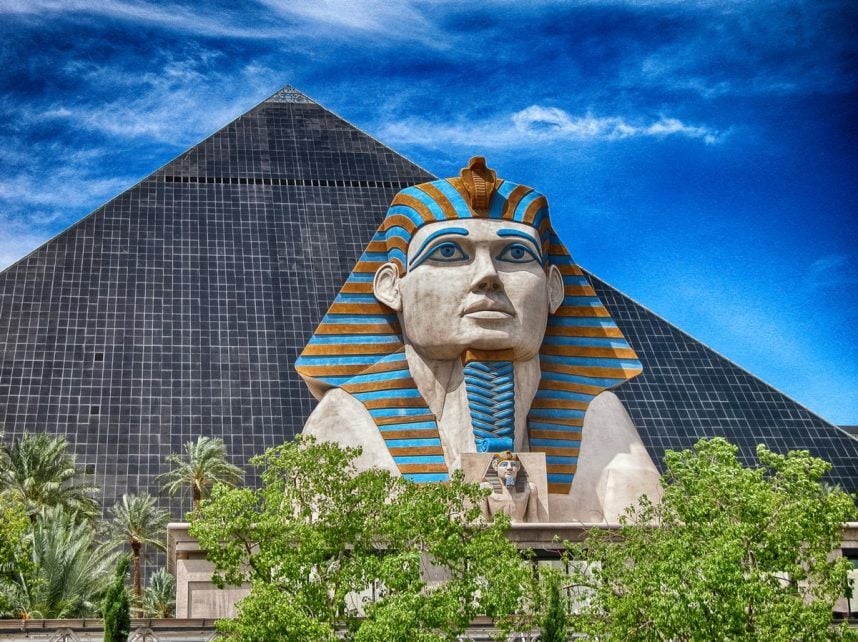
For many years, social media platforms, blogs, and guided ghost tours in Las Vegas have perpetuated the idea that this misalignment has contributed to a series of unfortunate incidents at the hotel.
These claims include:
- The tragic death of 42-year-old construction worker Steven Yandell from Arizona, who lost his life on December 23, 1992, when a boom struck him during the construction of the hotel.
- The suicide of an unidentified woman, who jumped from an interior balcony on the 26th floor on September 25, 1996, landing close to the buffet entrance.
- A motion-activated pipe bomb explosion on May 7, 2007, in the Luxor parking garage, resulting in the death of 27-year-old food court worker Willebaldo Antonio.
A video shared by the “Buzzed Vegas” Facebook page informed its 151,000 followers just last week, stating, “The sphinx was constructed facing the wrong direction, leading many to believe that the Egyptian deities are displeased.”
Analyzing the Myth
The Luxor’s design was a component of Circus Circus Enterprises’ broader vision to enhance its portfolio of themed resorts, aiming to draw in families after the success of their Excalibur (launched in 1990) and prior to the launch of Mandalay Bay (opened in 1999).
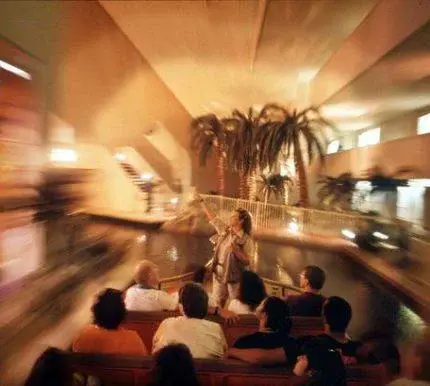
The land was acquired in early 1992, with plans already in place for an expansive Egyptian-themed resort featuring a pyramid-shaped hotel, a replica sphinx, and a Nile River attraction circling the pyramid. (The latter attraction was shut down in 1996, not due to the “many apparitions” as claimed in the “Buzzed Vegas” video, but rather due to low ridership and operational challenges that impacted guest movement.)
The sphinx’s orientation was deliberately chosen to maximize visibility for traffic on the Las Vegas Strip. (If it faced away from the Strip, it would be largely unnoticed, and facing north or south would only allow half the potential viewership due to traffic patterns on Las Vegas Boulevard.)
There is little evidence suggesting that ancient deities influenced the decision regarding its alignment.
While the legitimacy of claims based on their paranormal elements is not the focus here, we acknowledge that even individuals who typically lean towards scientific understanding may have encountered unexplainable phenomena.
This myth has been examined precisely because it doesn’t necessitate such debates.
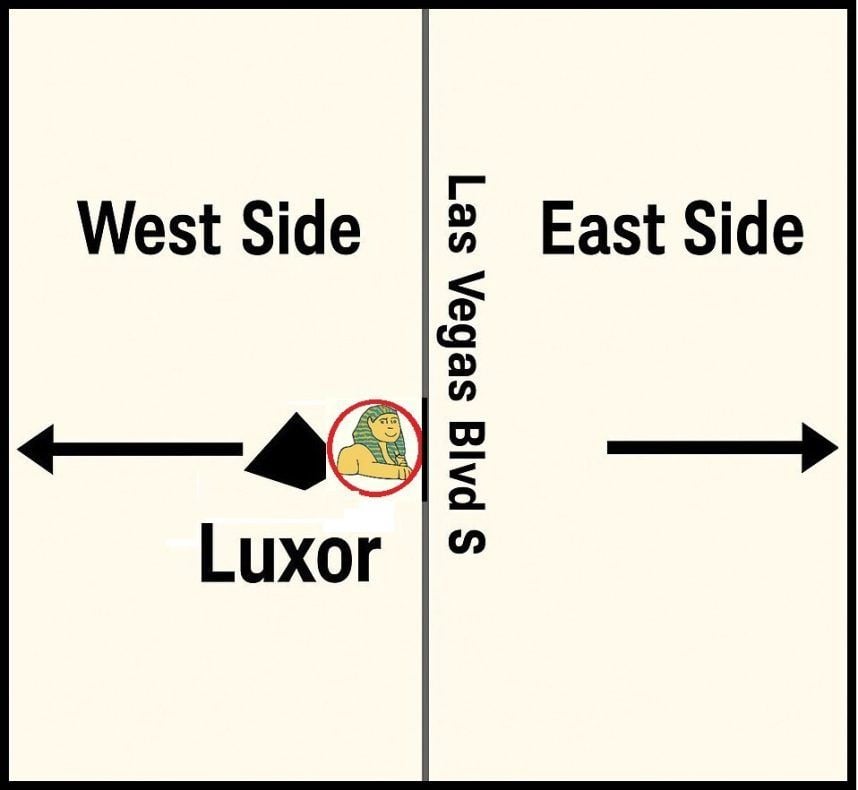
In reality, the Luxor’s sphinx does indeed face east, just like the Great Sphinx of Giza.
Before declaring yourself an expert in any subject, it may be wise to first clarify your understanding of east versus west.
Look out for “Vegas Myths Busted” every Monday on Casino.org. Click here to explore previously debunked Vegas myths. Do you have a Vegas myth that requires debunking? Email [email protected].