


Published on: March 6, 2026, 07:21h.
Updated on: March 4, 2026, 02:50h.

The desert surrounding Las Vegas is rumored to be the final resting place for numerous murder victims, giving rise to the term “86,” which many sources claim is rooted in mob lingo. It is suggested that mob bosses issued orders to make someone disappear using this number.
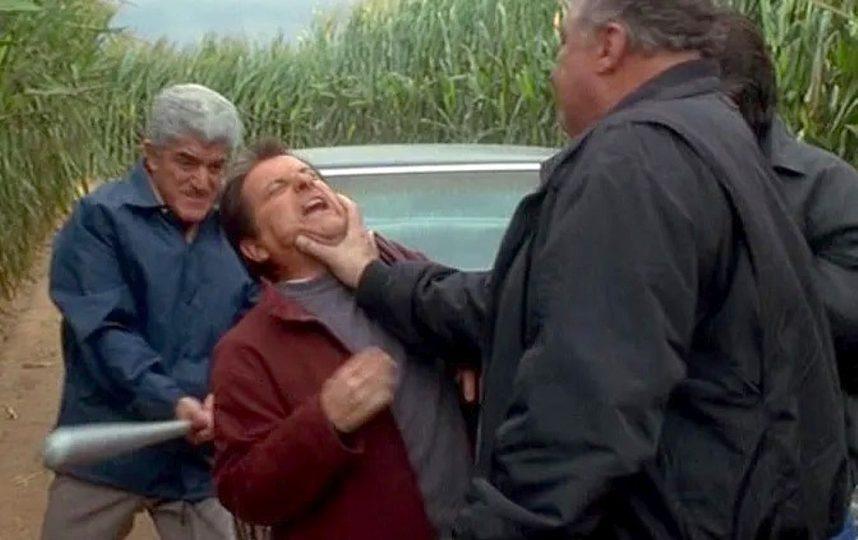
An entry from urbandictionary.com states, “’80 miles out and 6 feet under’ was used for a victim who had to dig their grave far from civilization before facing execution.” Others revise this claim, suggesting it was a mere eight miles from the Las Vegas Strip before such grim tasks could begin.
Debunking the Myth
Firstly, as we’ve shared in earlier editions of this article series, the notion that a multitude of bodies lies buried near Vegas is simply fictional. While this myth has taken root in expressions like “knowing where the bodies are buried,” it remains firmly planted in fantasy.
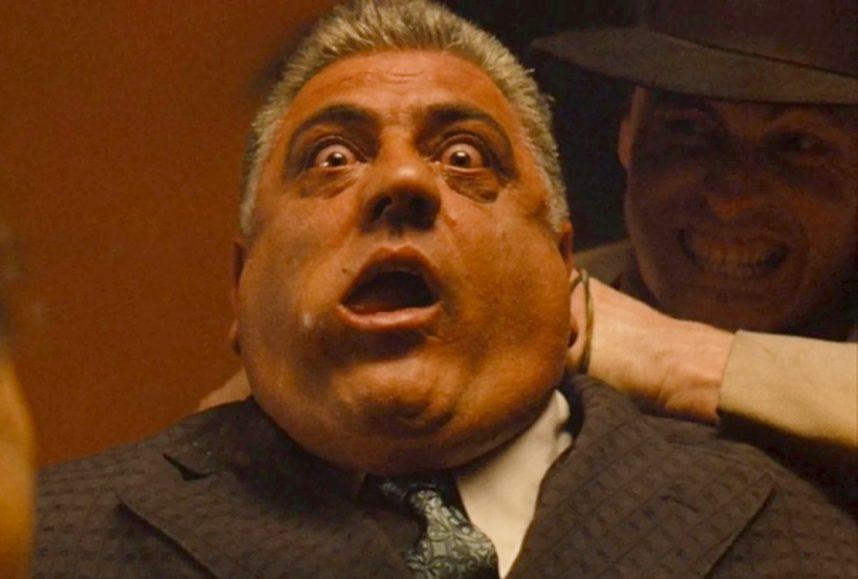
It’s important to note that organized crime figures had little intention of burying enemies anywhere near Las Vegas.
While local authorities may have turned a blind eye to various illegal operations, murder posed far too great a risk to the mob’s lucrative casino interests.
This probably explains why mobster Benjamin “Bugsy” Siegel was executed in Beverly Hills and why his successor Gus Greenbaum met a similar fate in Phoenix, while Anthony “Tony the Ant” Spilotro was killed in Chicago, with both brothers buried in Indiana.
The phrase “no one dies in Vegas” truly encapsulates the mob’s philosophy.
Furthermore, if the origin of “86” were accurate, then mob informants would have led FBI agents to considerable digging—unearthing bodies eight or even 80 miles from the Strip.
Exploring the 86 Theories
Regarding the transformation of “86” into a synonym for eradication, there are numerous other theories—at least 86 of them, to be precise.
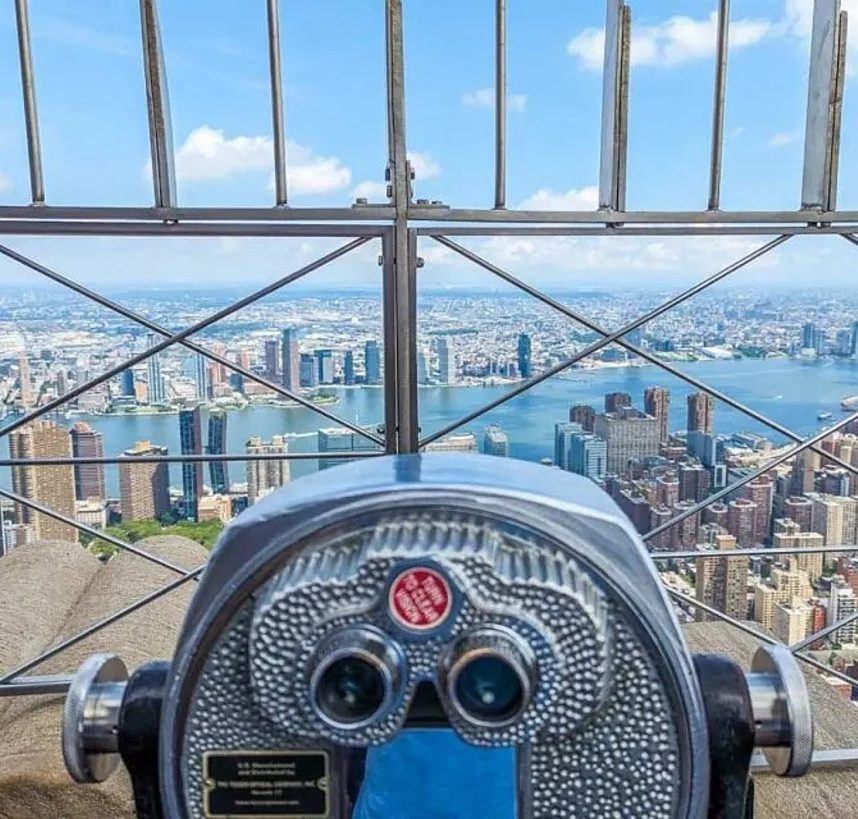
One theory claims it refers to the 86th floor of the Empire State Building, from which individuals in despair once jumped to their demise.
Other enthusiasts believe it originated from a New York streetcar line that ran along 1st Avenue from 14th to 86th streets, where the conductor would announce, “Eighty-six! End of the line! Everyone out!”
Alternatively, might it derive from the Old West practice of diluting drinks from 100 to 86 proof for patrons who’d had too much to drink?
There’s even speculation that the “six feet under” part is accurate, but the first number actually corresponds to an average grave’s eight feet length.
But there’s more…
In his 2006 book, “The History and Stories of the Best Bars in New York,” author Jef Klein asserts, with strong conviction, that the origin of “86” can be traced back to Chumley’s in Manhattan. Here, corrupt law enforcement officers notified the bar staff of impending raids.
Employees were instructed to “86” patrons, meaning they needed to exit through the 86 Bedford St. door before the police entered from a different entrance.
We won’t bore you with all 81 theories—we’ll conclude with Article 86 of the New York State Liquor Code, which deals with circumstances for denying service to patrons.
However, this article actually discusses “Services and Gifts to Retailers,” rather than patron limitations.
The Unexciting Truth
We align ourselves with The Oxford English Dictionary, known for its accuracy.
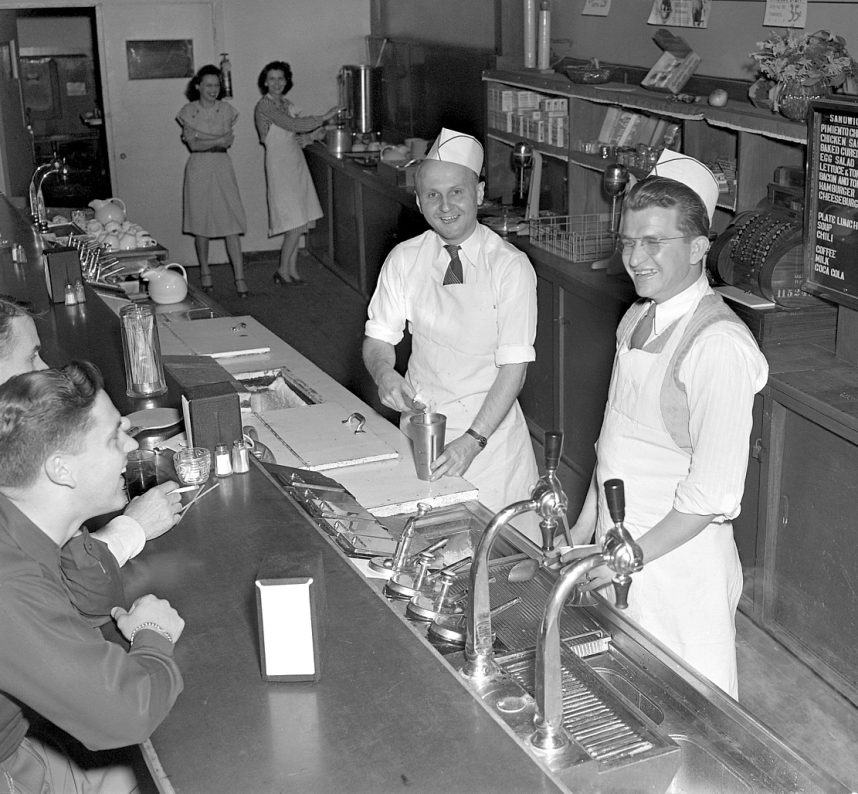
For approximately a century, food and beverage workers utilized numeric codes for efficient communication regarding orders. The number “86” became the shorthand for items that were no longer on the menu.
This information derives from the principal historical dictionary of the English language and not from your relative Ralph, who thinks he knows everything.
Further exploration reveals its first recorded usage in print..
“A Hollywood soda-jerker shares this glossary of terms used in soda fountains,” stated celebrity columnist Walter Winchell in his 1933 “On Broadway” column. “Eighty-one means a glass of water… thirteen means a big boss is nearby… and eighty-six means all out of it.”
Three years later, Columbia University professor Harold Bentley validated this origin in an article titled “Linguistic Concoctions of the Soda Jerker,” published in the journal American Speech. Other revealed numerical codes included:
- 82: two glasses of water
- 87-and-a-half: an attractive woman sitting with her legs crossed
- 95: a diner leaving without paying
- 98: an assistant soda jerk or supervisor
- 99: head soda jerk.
A fictional murder mystery in the Washington Post from 1942 supplies an interesting explanation for how “eighty-sixed” transitioned into a metaphor applied to people:
“If ‘the tuna fish salad is 86,’ it means we’re out,” one character states. “Conversely, if a person is labeled as 86, it implies they’re fired or finished.”
A few years later, “eighty-sixed” took on a different context in dining establishments and taverns—denoting that a customer should no longer be served and/or must be removed from the venue.
According to Cassell’s Dictionary of Slang, it wasn’t until the 1970s that the term started to signify murder, with no ties to the mafia, distance, or burial depths in Las Vegas.
Apologies to you, cousin Ralph, who believes he knows all.
Catch “Vegas Myths Busted” every Monday on Casino.org. For previously debunked myths about Vegas, visit VegasMythsBusted.com. Have a Vegas myth suggestion to bust? Email [email protected].