


Published on: March 23, 2026, 07:21h.
Recently updated on: March 22, 2026, 10:13h.

“What’s an unbelievable fact about Las Vegas?” a member of a Las Vegas subreddit recently inquired. The answers primarily included familiar tidbits: that prostitution remains illegal in Las Vegas, that the Las Vegas Strip is actually outside city limits, and that the Linq parking garage was intentionally designed to flood. However, one response was particularly noteworthy because it turned out to be completely false.
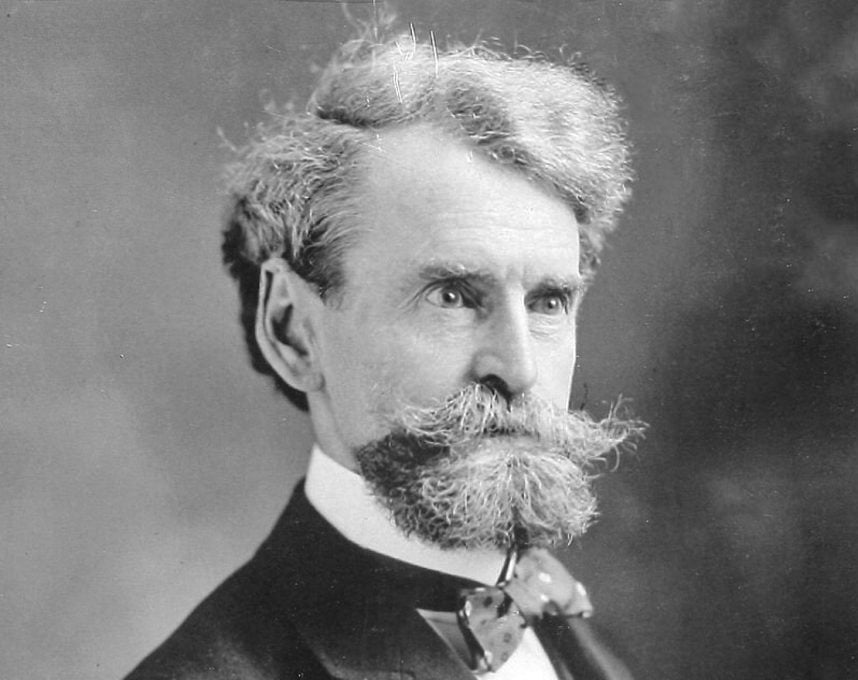
“Clark County is named after someone who has never even set foot in Nevada,” asserted @Awkwardmoment22.
This individual, William Andrews Clark, was a copper magnate from Montana who established the San Pedro, Los Angeles, and Salt Lake Railroad. The railroad’s route through the region played a pivotal role in the emergence of Las Vegas.
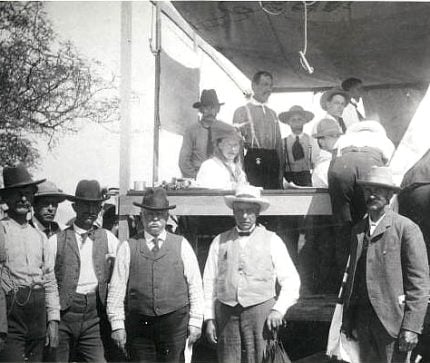
Clark acquired nearly 2,000 acres from Helen Stewart, who owned a ranch on the Old Mormon Fort’s location, allowing him to set up the Las Vegas Townsite. He also obtained the vital water rights necessary for the development.
Just a month following the arrival of the first train in April 1905, a total of 1,200 lots—spanning a mere 110 acres of Clark’s land—were sold at auction to entrepreneurs eager to kickstart the city’s first businesses.
Did Clark Ever Visit Nevada?
The misconception that Clark never visited Nevada stems from his image as an aloof businessman who relied on others to manage his interests. His younger brother, J. Ross Clark, was in charge of both the railroad project and the land auction held on May 15-16, 1905.
Clark resided in Montana, a state he cherished, where he served two terms in the U.S. Senate and amassed most of his $200 million wealth ($6.9 billion today) through copper extraction.
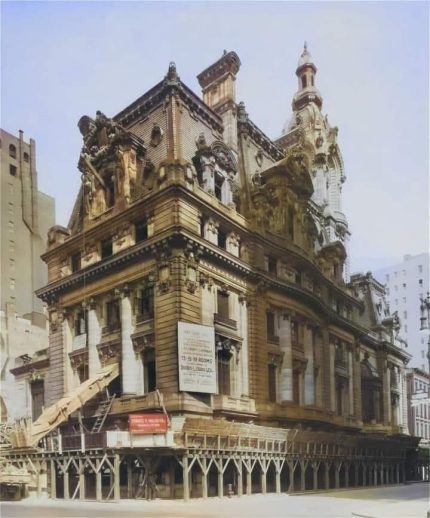
Upon leaving Montana on March 3, 1907, at the age of 68, Clark spent his twilight years in New York City, overseeing his expanding business portfolio, mingling in elite social circles, and residing in a sprawling 121-room mansion adjacent to oil tycoon John D. Rockefeller Jr.
He didn’t even attend the ceremony on July 1, 1909, which commemorated a new Nevada county named in his honor, established from the southern portion of Lincoln County.
The 2009 publication from Clark County, titled “Centennial: A Century of Service,” states that Clark was “rarely in Las Vegas,” but actual evidence of any visits remains elusive in historical documents.
Did we mention our fondness for challenges?
Evidence of His Visit
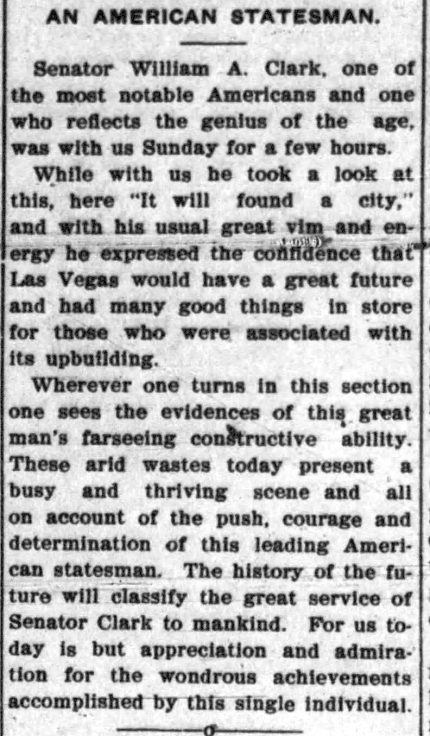
A succinct 151-word article published by the Las Vegas Times on November 25, 1905, provides irrefutable evidence of at least one visit from Clark to the very county named after him.
“Senator William A. Clark, one of our most distinguished Americans, visited us for a few hours on Sunday,” it stated, referring to November 19, 1905. “While here, he took a close look at this site, confidently asserting that it would become a city, expressing his belief that Las Vegas would experience a bright future and promised great prospects for those instrumental in its establishment.”
Upon his passing from pneumonia on March 2, 1925, in his Manhattan home at the age of 86, one of Clark’s many accomplishments can surely be regarded as being among Las Vegas’ earliest tourists.
Be sure to catch “Vegas Myths Busted” each Monday on Casino.org. For a collection of previously debunked Vegas myths, head over to VegasMythsBusted.com. If you have a myth you think needs busting, feel free to reach out at [email protected].