


Published on: February 6, 2026, 07:21h.
Updated on: February 5, 2026, 07:04h.

EDITORIAL NOTE: Join us for “Vegas Myths Busted,” released every Monday, with a special Flashback Friday edition. This edition first appeared on August 12, 2024.
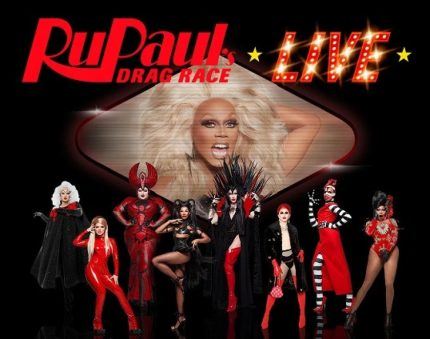
While in Las Vegas today, you can experience “Ru Paul’s Drag Race LIVE,” enjoy a night at the Gipsy, unwind at the Bent Inn—an adults-only LGBTQ+ hotel, and savor the drag brunch at Treasure Island. If you’re here on October 11, make sure to witness the annual Las Vegas Pride Parade taking place downtown.
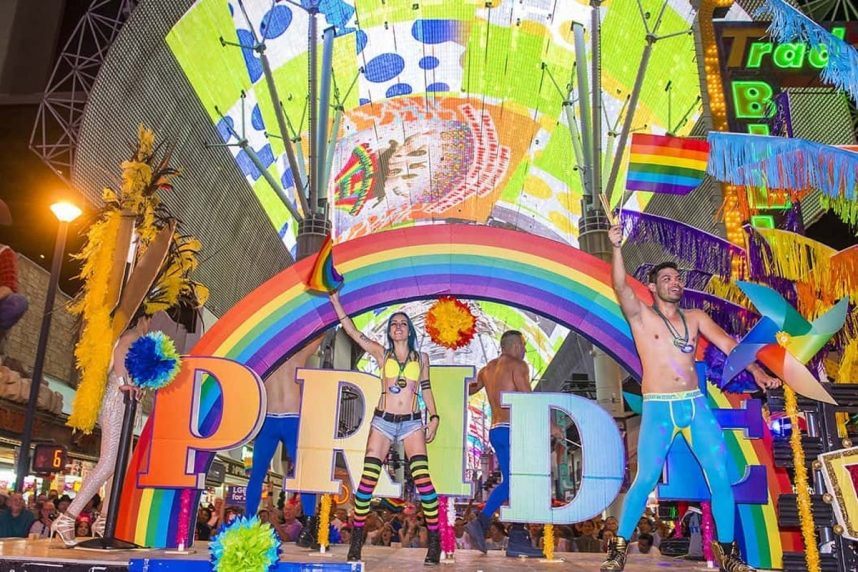
Many might assume that Las Vegas has been welcoming since the 1960s based on prevalent perceptions.
According to Gayety.co, “In the 1950s and 1960s, Las Vegas emerged as a favored spot for LGBTQ+ individuals, being one of the many venues where they could express their identities with relative safety.”
This is a commendable statement, but it lacks accuracy.
However, this is not an unexpected viewpoint. Las Vegas has a tendency to revise its history to project a favorable image.
The glamour of the 1950s Rat Pack was experienced before Black performers—like Sammy Davis Jr.—were even granted access to the front doors of Las Vegas Strip casinos. (And did you know that Elvis Presley’s iconic 1956 Las Vegas debut took place in front of a segregated audience at the New Frontier?)
Similarly, LGBTQ+ individuals faced violence, discrimination, and even incarceration for merely being themselves in public spaces.
Las Vegas: Where Anything Goes … Except That
In 1861, Nevada enacted a law banning sodomy, labeling non-heterosexual sex an “infamous crime against nature.” It imposed a minimum five-year prison sentence for violations.
To emphasize the dehumanizing nature of this law aimed at the LGBTQ+ community, violations could be punishable for acts “with man or beast.”
In a dark chapter of its history, Las Vegas law enforcement utilized this legislation for decades to entrap gay men through sting operations.
A Glimmer of Hope
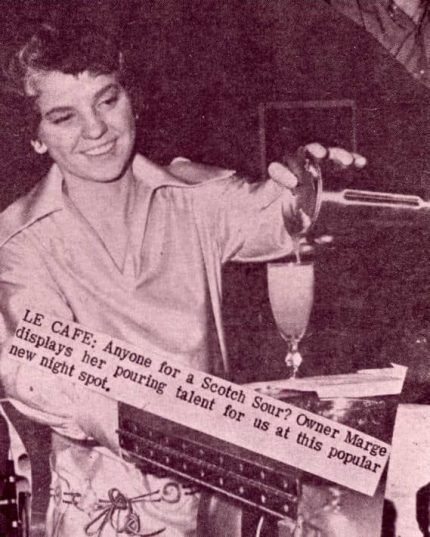
In 1970, Marge Jacque, an openly lesbian cocktail waitress, left her job at the Sands and bought the former Club de Paris.
She reinvented it into Las Vegas’s inaugural openly gay bar, with the motto: “Glitter and Be Gay at Le Café!”
Notable patrons included iconic Las Vegas stars Liberace, Rip Taylor, and Paul Lynde, and it also served as the base for “Gay Notes,” the state’s first LGBTQ+ publication.
For a time, it seemed like progress was being made.
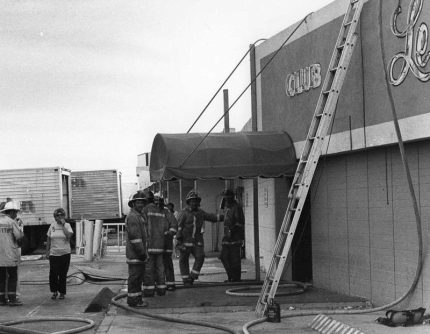
However, in August 1978, Le Café was tragically burned down in an apparent hate crime. This incident remains unresolved.
Even in 1992, dancer Jahna Steele, who earned the title of “Sexiest Showgirl on the Strip” after being featured in the topless show “Crazy Girls,” was dismissed after being outed as John Matheny on the tabloid TV show “A Current Affair.”
The Last Arrest
The final individual prosecuted under the sodomy law—whose name was never released—met an undercover officer at a gym and invited him to his home.
If you’re not already aware, brace yourself for the next detail.
Are you ready for this?…
The incident took place in 1993; we guessed (and hoped) you weren’t prepared for that.
The jury was deliberating as the Nevada State Senate voted to repeal the sodomy law on June 16 that same year, resulting in the dismissal of the case.
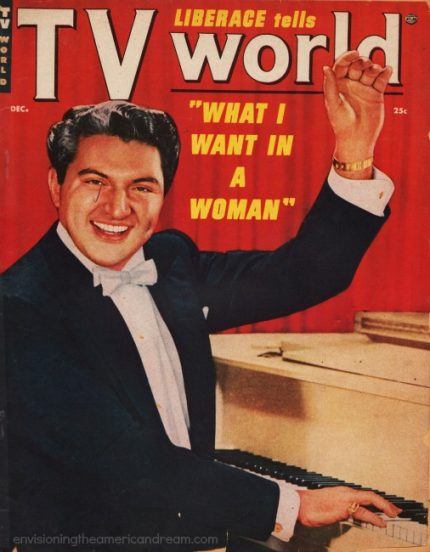
We mention this not to reveal personal details about a Las Vegas icon who publicly identified as heterosexual, but to highlight the pervasive fear individuals felt over their innate identities and the startling proximity of that fear to most Americans’ experiences.
In 2002, Las Vegas enacted a progressive measure—prohibiting discrimination based on sexual orientation in employment, housing, and public services—making it one of the pioneering cities in this area.
While Las Vegas has made considerable strides since its past mistreatment of LGBTQ+ individuals, it must not be allowed to erase the long, painful history of discrimination.
Look out for “Vegas Myths Busted” every Monday on Casino.org. Click here to explore previously debunked Vegas myths. Do you have an idea for a Vegas myth that needs debunking? Reach out at [email protected].