


Published on: April 3, 2026, 07:21h.
Updated on: April 2, 2026, 10:46h.

EDITOR’S NOTE: “Vegas Myths Busted” shares new insights every Monday, including a special Flashback Friday edition. Today’s entry in our ongoing series first appeared on Feb. 26, 2024.
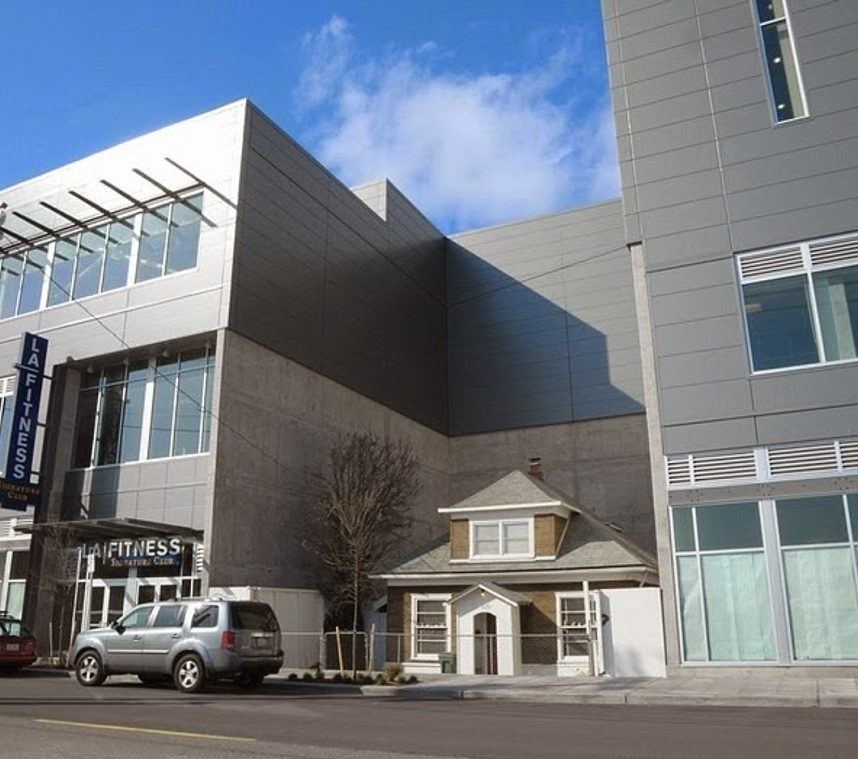
The digital age has transformed ordinary citizens into modern-day heroes, especially those who resist corporate pressure. One iconic example is Edith Macefield from Seattle, the elderly lady who stood firm against selling her family’s historic farmhouse to developers, compelling them to build around it. (This narrative inspired the beloved 2009 Pixar film Up.)
Las Vegas has a similar tale of defiance.
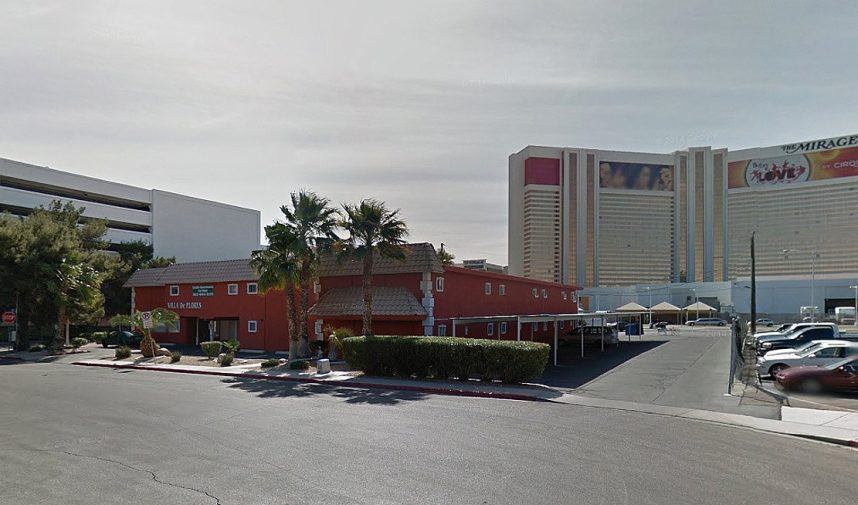
“During the 1980s development of The Mirage, the owner of Villa de Flores resisted selling the land to developer Steve Wynn,” as reported by historiclasvegasproject.com.
However, similar to many tales from Las Vegas, this one isn’t entirely accurate.
Restricted Landlord
The modest 0.6-acre property at 3601 Vegas Plaza Drive was initially acquired by Blake Ruth in 1964 and later sold to Mike Flores and his family for approximately $500,000 in 1974, as per Clark County records. These new owners constructed the 36 units that still exist today.
The Villa De Flores consists of basic two-story stucco studios of 480 square feet and one-bedroom apartments of 900 square feet. Many such identical structures remain scattered across the American Southwest, usually indicating economic decline.
However, the situation has transformed in the vicinity of Villa Del Flores.
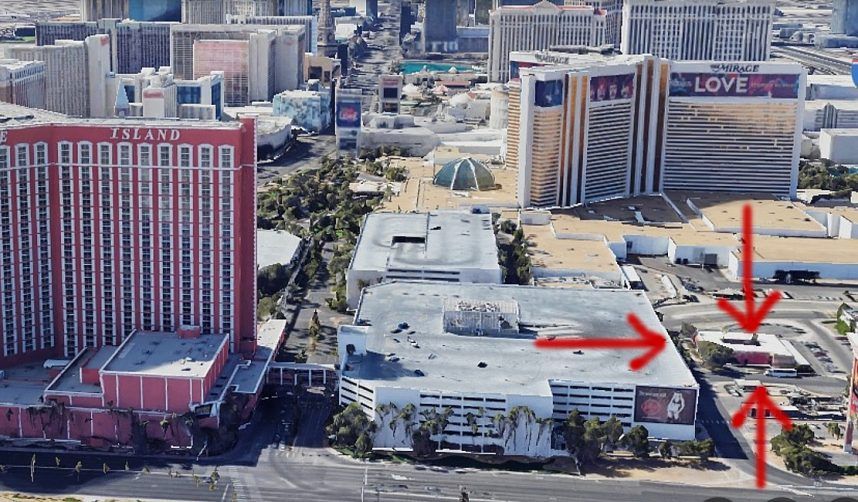
In October 1986, casino magnate Steve Wynn acquired the Castaways casino for $50 million and began acquiring nearby land.
The following year, he initiated construction on The Mirage, which at the time was the most expensive resort ever, costing $630 million. However, Wynn had not obtained all the adjacent properties. By the time he intended to develop Treasure Island in the parking area of The Mirage in 1991, it was evident that Villa De Flores stood directly in his path.
Yet the interesting twist is that Flores had always intended to sell his property to Wynn.
“I feel like [General George] Custer; I’ve been here for ages,” he confessed to KTNV-TV/Las Vegas in 1993. “I simply wanted to retire and fade away. But I’m still here. So, please, Steve Wynn, buy the place … I’m in dire straits.”
Flores’ desperation stemmed from his own ambition. While the narrative suggests he triumphed like Edith Macefield, the reality is he aimed to outsmart someone far out of his league and ultimately failed.
Dramatically.
Authentic Pirate Conflict
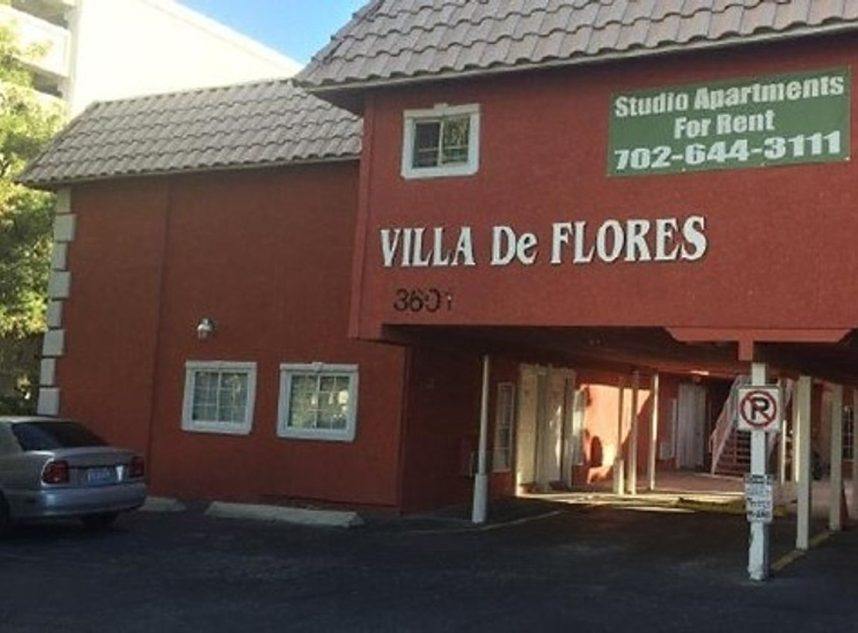
Perceiving his property as a jackpot, Flores demanded a staggering $6 million from Wynn, an absurd figure given that the total assessed value of the land and buildings was just $291,870 at the time, based on county records.
Wynn deemed this price extortionate and countered with a still-generous offer of $2 million. And if you’re curious why a middle ground of $4 million wasn’t achievable, it’s due to the stubbornness on both ends.
After Flores rejected Wynn’s offer, the casino mogul pivoted his efforts toward retaliation against Flores — at least according to Flores himself.
While Wynn may or may not have nudged Clark County to orchestrate road constructions that blocked all access to Villa De Flores, he did take steps to ensure that something particularly irksome was placed directly across from the apartment complex.
Three enormous tanks, situated just a few hundred feet away from the Villa De Flores, housed the propane necessary for the “Battle of Buccaneer Bay,” a pyrotechnic spectacle on the Strip.
In 1999, one of these tanks exploded. Remarkably, none of the residents were harmed in the explosion, which was classified as accidental, although Flores labelled it an “accident waiting to occur.”
“Steve Wynn embodies the antithesis of a good neighbor, much like Jeffrey Dahmer does to dining etiquette,” Flores commented around that time, as recorded by the Las Vegas Review-Journal.
Revenge Hotel

In 1997, Flores escalated what had turned into a very real pirate adversarial relationship by attempting to auction off the land beneath his property to the highest bidder.
Flores aimed to install a competitor even wealthier and more hostile to Wynn between his two massive resorts, hoping this would finally bring Wynn closer to his $6 million valuation.
However, the auction did not unfold as planned. Only three bidders emerged:
- A shopping center developer named Martin Cable, who opened the bidding at $1 million and did not increase his offer;
- Ralph Engelstad, owner of the Imperial Palace, who purchased a 20% stake in Villa De Flores six years prior for $1 million; and
- A representative from The Mirage, who did not bid at all.
Consequently, Flores ended up bidding against Engelstad for his own property, paying $3.5 million and becoming its sole owner.
Yet Flores was not out of the game; he announced plans to transform Villa De Flores into a nine-story hotel and timeshare complex, effectively coining it as a “spite hotel.”
Wynn retaliated with a lawsuit, claiming the ambitious project was too large and breached numerous building regulations.
“He sued me, my parents, my architect, and even the county commissioners,” Flores recounted to KSNV at the time. “It felt like he even sued my cat and mother-in-law.”
The Giant Moves On
Flores never realized his dream of building a spite hotel, and by 2000, Wynn turned his attention elsewhere. He had sold The Mirage and Treasure Island for $4.4 billion to the company that evolved into MGM Resorts.
Wynn reinvested his earnings into acquiring the Desert Inn for $270 million, demolishing it, and constructing the $2.7 billion Wynn Las Vegas—yet again, the most expensive resort ever built.
Flores eventually sold the Villa De Flores in 2004, but it wasn’t to MGM. He received $3.8 million from LA-based real estate investor Kevin Golshan.
Three years later, Golshan resold it for slightly more than Flores’ original asking price: $6.5 million, to Ray Koroghli, a Henderson, NV resident who still holds the title today.
Neither the tribe nor Koroghli responded to Casino.org’s inquiries regarding future plans for the clandestine apartment complex.
Don’t miss “Vegas Myths Busted” every Monday on Casino.org. Visit VegasMythsBusted.com to explore previously debunked Vegas myths. Have a suggestion for another Vegas myth to bust? Email [email protected].