


EDITOR’S NOTE: “Vegas Myths Busted” features every Monday, along with a special Flashback Friday edition. Today’s installment in our ongoing series was originally published on August 7, 2023.
Frank Sinatra played a pivotal role in championing equality in Las Vegas. However, it is a common misconception that the iconic singer single-handedly dismantled the disgraceful practices of segregation on the Strip; it was, in fact, political action that truly catalyzed change.
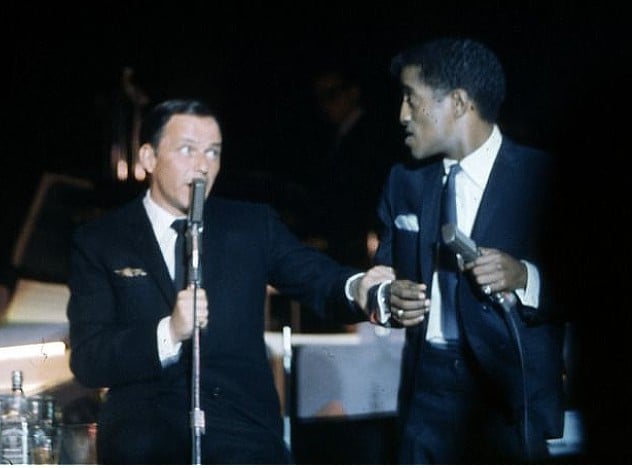
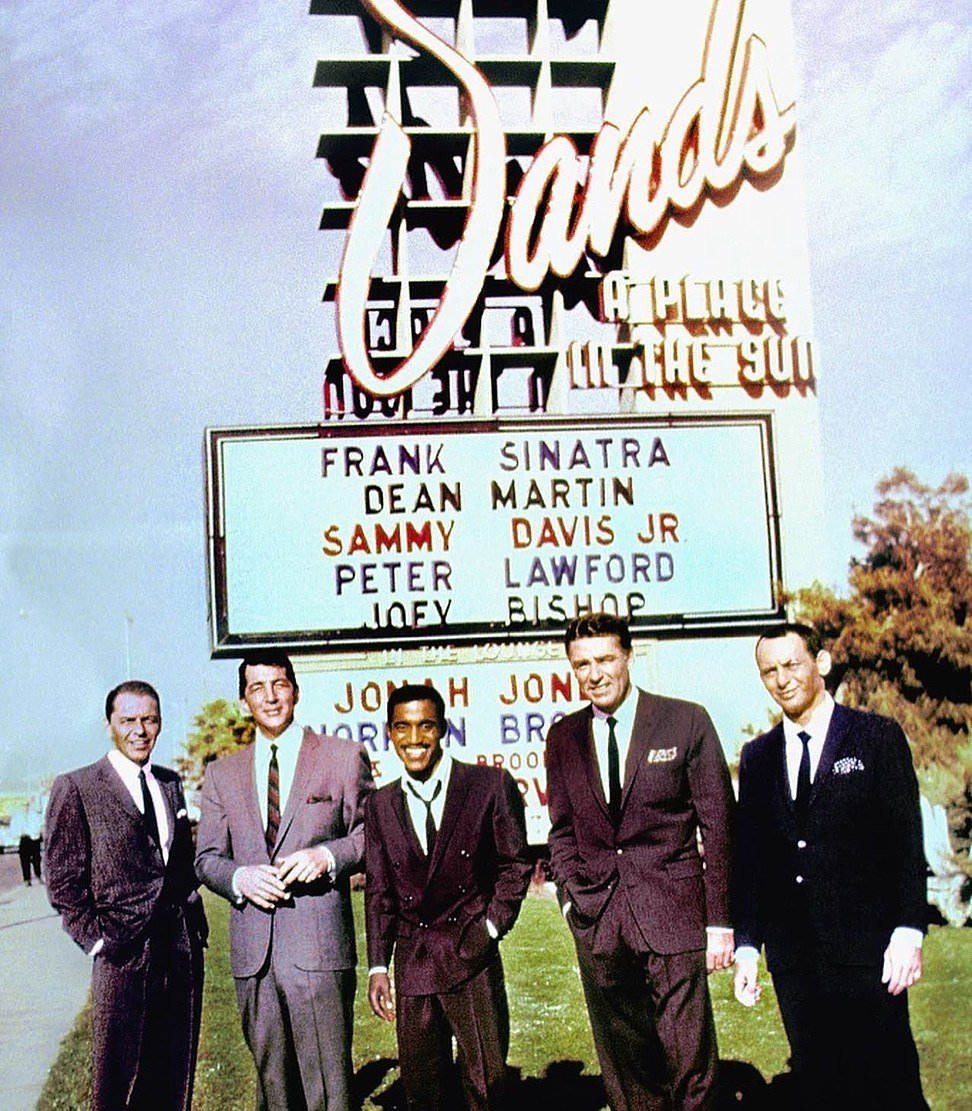
In around 1955, Sinatra made it clear that he would not perform with the Rat Pack at the Sands unless Sammy Davis Jr., a member of the group, was permitted to stay there as well. Consequently, Davis was given his own suite.
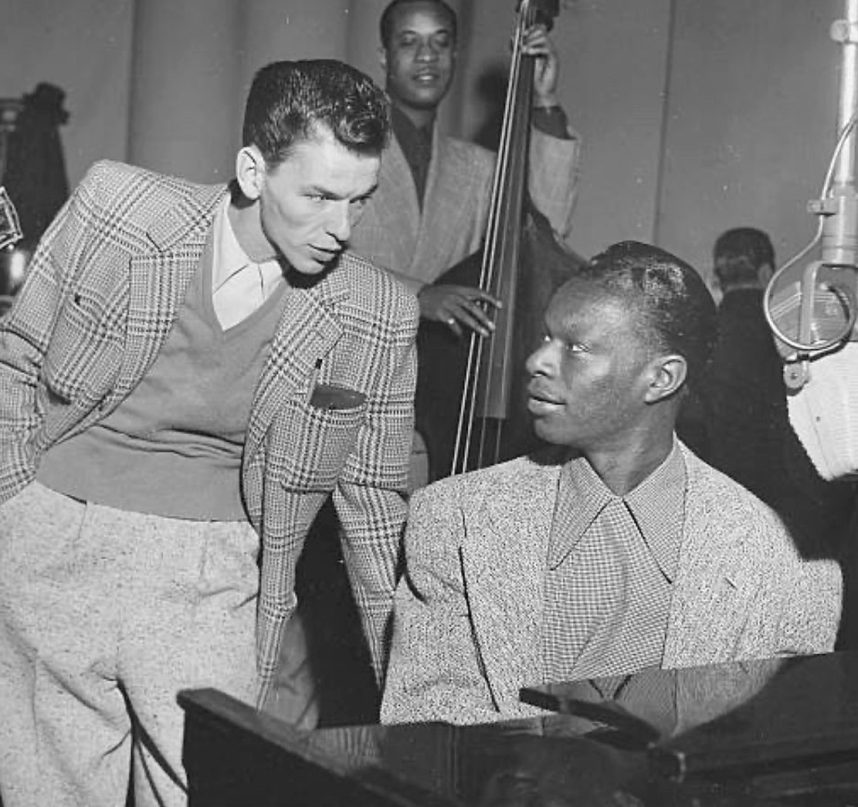
During the same period, Sinatra observed that his friend Nat King Cole often dined alone in the Sands’ dressing room, rather than with other performers in the main dining area. Sinatra extended an invitation to Cole to join him for dinner the following evening, thus making Cole the first person of color to dine in the Sands’ Garden Room.
Numerous books and articles have recounted these anecdotes about Sinatra. While their accuracy may be in question, we’ll give him the benefit of the doubt. Sinatra was a prominent white artist championing civil rights during a time when many affluent whites turned a blind eye to the struggles of people of color.
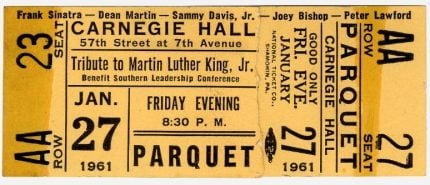
Notably, Sinatra and the Rat Pack headlined a charity event at Carnegie Hall in New York in 1961 for Martin Luther King’s Southern Christian Leadership Conference, frequently addressing the evils of segregation in their performances.
“As long as most white men view a Negro as a lesser being and not as a man, we face significant challenges,” Sinatra wrote in an essay for the July 1958 edition of Ebony. “I wonder why we can’t evolve as a society.”
The Reality of Injustice
Prior to 1960, individuals of color were barred from staying, gambling, or dining in any Las Vegas casino hotels. Even esteemed Black performers like Davis and Cole were forced to enter through back doors to perform and exit the same way after their performances.
African-American visitors to Las Vegas had to secure accommodations at boarding houses in the Westside, the historic Black neighborhood located five miles northwest of the Strip. The most notable establishment was the Harrison House, run by entrepreneur Genevieve Harrison, now recognized on the National Register of Historic Places.
Ol’ Blue Eyes took a courageous stance against these injustices. But did he genuinely eradicate them?
Sinatra appeared to believe so.
“Everything changed; it all absolutely transformed,” he reflected in an interview towards the twilight of his life, featured as a bonus track on a 2006 box set. “I made certain demands and said, ‘If they have to stay only on the other side of town, then I’m of no use to you.’ I think some other entertainers recognized that as well and joined in the call for change.”
“But I suppose I was the loudest voice in the city.”
What Sinatra failed to recognize was how often casino managers placated him. Due to his renowned fame and fiery disposition, they routinely acquiesced to his demands whenever he was in the vicinity.
However, whenever Sinatra or other prominent performers vocal about the need for integration were absent, segregationist policies largely returned.
Las Vegas attracted numerous affluent patrons from the racially segregated Jim Crow South, leading it to be dubbed the “Mississippi of the West” by Sarann Knight-Preddy, who in 1950 became Nevada’s first Black casino owner, although her establishment was in rural Hawthorne, not Las Vegas.
Casino owners in Las Vegas may not have shared the regressive views of many customers, but they understood that offending their sensibilities could hurt business.
What Truly Desegregated Las Vegas
On March 26, 1960, casino representatives and officials convened with James B. McMillan, president of the NAACP’s Las Vegas chapter, at the coffee shop of the now-closed Moulin Rouge casino hotel to discuss an end to segregation on the Strip.
McMillan selected this venue because the Moulin Rouge, which opened in May 1955, was the first desegregated casino hotel in Las Vegas. Although it was not located on the Strip and closed after just six months, it was the first casino where people of color could gamble and serve in front-of-house roles.
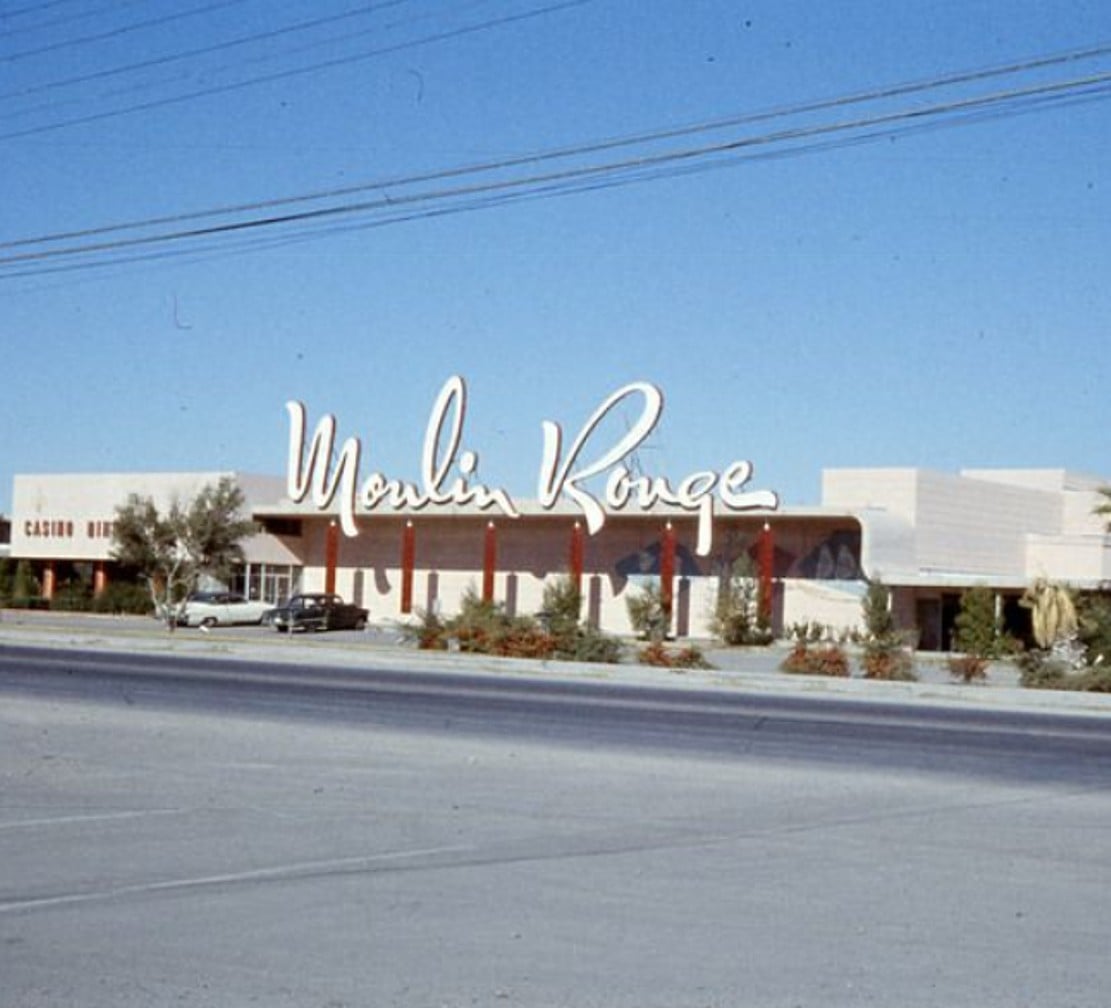
During this historic meeting, later termed the Moulin Rouge Agreement, casino representatives begrudgingly agreed to allow African-Americans to access their facilities and occupy public-facing positions. This critical decision ultimately led to prohibitions against real estate redlining and discrimination in employment and business licensing.
What compelled casinos to relent?
Simply put, fear. The Moulin Rouge Agreement was reached just one day before a significant civil rights march that McMillan had organized on the Strip to protest segregation.
And that would have been detrimental to their business.
“The Black community worked tirelessly to secure the fundamental right to utilize public facilities, not a singer who managed to secure a room for a few nights,” said Claytee White, director of the Oral Research Center at UNLV, in a 2015 statement to the Las Vegas Review-Journal.
Be sure to catch “Vegas Myths Busted” every Monday on Casino.org. Visit VegasMythsBusted.com for past entries in our myth-busting series. Have a suggestion for a Vegas myth to debunk? Email [email protected].