


Published on: January 12, 2026, at 12:35 PM.
Updated on: January 12, 2026, at 12:58 PM.

- VICI typically trades at a premium compared to its competitors.
- This disparity may decrease.
- Analysts predict a potential resolution between Caesars and VICI.
VICI Properties (NYSE: VICI) enjoys premium valuations, partly due to its strong presence in Las Vegas, when compared to peer Gaming and Leisure Properties (NASDAQ: GLPI). However, analysts forecast that this valuation gap may continue to contract.
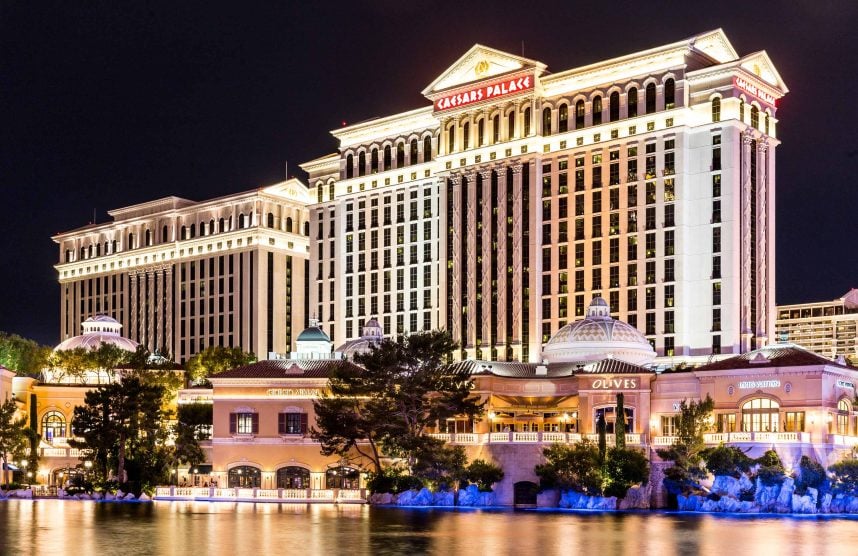
As VICI shares have faced recent challenges, the valuation spread has decreased. Jefferies analyst David Katz emphasizes that both gaming REITs are categorized as “buys,” highlighting them as having “the most stable business models in our review.” Katz notes the two casino landlords are often assessed based on their fixed lease revenue.
“The nature of these rents has some variances worth mentioning; while ‘fixed’ should not be interpreted literally, the rent escalators across portfolios differ,” comments Katz. “Secondly, we believe significant distinctions exist among the long-term values of specific real estate assets, as Las Vegas Strip properties tend to maintain robust long-term viability amid increasing competition from regional gaming.”
As the largest real estate proprietor on the Las Vegas Strip, VICI stands apart from GLPI, whose presence in Sin City primarily involves land earmarked for a proposed Major League Baseball stadium.
VICI and Caesars Approach Potential Agreement
The primary factor contributing to the narrowing valuation gap between VICI and GLPI is the recent decline of VICI’s stock, prompted by concerns surrounding its master lease agreement with Caesars Entertainment (NASDAQ: CZR). This agreement is responsible for 18.5% of VICI’s lease revenue.
Essentially, the earnings from Caesars-operated casinos are insufficient to cover the rent expenses, suggesting that these obligations may be excessive for the operator. Discussions regarding a resolution are anticipated but are likely to follow a mutual give-and-take format.
“Public statements from both VICI and CZR management teams indicate they are considering alternative options for the lease, which could lead to a reduction in rent in return for capital and other commitments from CZR,” adds Katz.
This ongoing concern has notably impacted VICI shares, a risk that is not a factor with Gaming and Leisure.
GLPI Has Strengths, Yet Is Not Without Risks
While Gaming and Leisure isn’t facing the potential of reducing rent for a tenant, its growing relationship with Bally’s does present some risk.
“Specifically considering the case of BALY, large-scale developments in Chicago, New York, and Las Vegas may expose GLPI to certain risks, and despite demonstrating capital prudence historically, BALY has undergone significant strategic changes, leading to considerable lease-adjusted leverage,” notes Katz.
The REIT has pledged to finance most of the funds required for Bally’s to see its Chicago casino hotel project completed and may be the operator’s favored financier for an upcoming $4 billion development in the Bronx, NY.