


Citizens of Virginia can now choose to keep their lottery winnings confidential, irrespective of the prize amount, following the enactment of a new law aimed at safeguarding their identities.
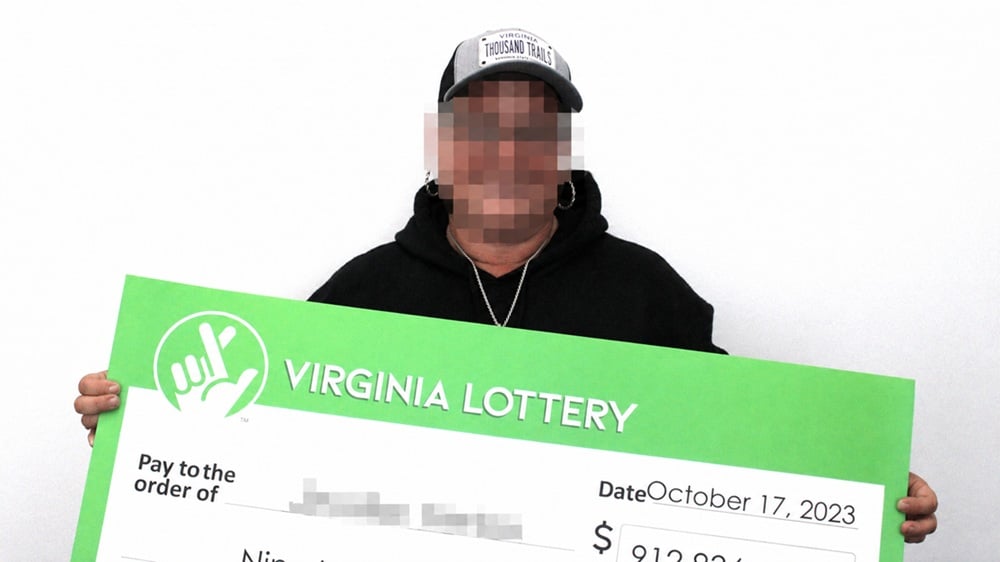
As of July 1, the lottery will cease to showcase winners on its website or photograph them with oversized checks unless they provide consent in writing.
This adjustment also entails that the Lottery will stop listing names of Lottery Rewards and second-chance winners on its website, instead opting for private email notifications after the drawings.
Initially, Virginia permitted lottery winners to remain anonymous in 2019, but this was restricted to prizes of $10 million or more. The threshold was later decreased to $1 million in July of the previous year. This adjustment allowed a fortunate Virginian to collect the largest lottery prize in state history incognito—a staggering $348 million Mega Millions jackpot in August 2025. Now, this threshold has been completely eliminated.
The Transparency Debate
At present, 24 lottery jurisdictions implement some form of anonymity for winners, although only about a dozen permit all winners to keep their identity hidden. Many jurisdictions impose specific prize thresholds or other stipulations.
Conversely, numerous states have regulations that stipulate a winner’s name, hometown, and prize amount as public information.
The primary justification for this is to bolster public trust. Government-run or sanctioned lotteries must demonstrate transparency to assure the public that winnings are both legitimate and not fabricated.
This transparency also proves beneficial for business. The buzz generated by a substantial jackpot victory typically triggers an uptick in lottery sales for the following draw.
In recent years, concerns regarding the safety and privacy of winners have led to an increasing push for anonymity. Publicly known winners may attract scammers, extortionists, freeloaders, and even violent criminals.
Winners in Jeopardy
In 2006, a Florida worker named Abraham Shakespeare secured a $31 million lottery jackpot. Tragically, three years later, he was discovered buried under a concrete slab after being murdered by a woman who befriended him to gain access to his wealth.
Another alarming case arose in 2016 when Georgia resident Craigory Burch Jr. was fatally shot during a home invasion just weeks after winning a lottery jackpot of $434,272.
“Avoid publicizing it. Refrain from announcing your win to too many people. Once your name is out there, everyone surfaces—relatives you haven’t connected with in ages, charities, the majority of which are well-meaning, but some are not,”
These were the words of Jason Kurland in January 2020, portrayed as America’s top “lottery lawyer,” advising some of the nation’s most prominent winners. However, just six months later, he was arrested for his involvement in a $107 million fraud scheme and ultimately sentenced to 13 years in federal prison for swindling the very lottery winners he professed to assist.