


Published on: September 23, 2025, 05:32h.
Updated on: September 23, 2025, 05:32h.

- DiNunzio led Boston’s Fresh Cheese while connected to the Mafia.
- Convicted in the ‘Big Dig’ bribery scandal, served time in federal prison.
- His death signifies a downturn in the influence of the Patriarca crime family.
Carmen DiNunzio, a notorious figure in the Mob, passed away on Sunday at 68 years old. Dubbed “The Cheeseman,” he earned the nickname while managing a gourmet cheese shop in Boston and allegedly holding a significant role in the New England Mafia, namely the Patriarca crime family.
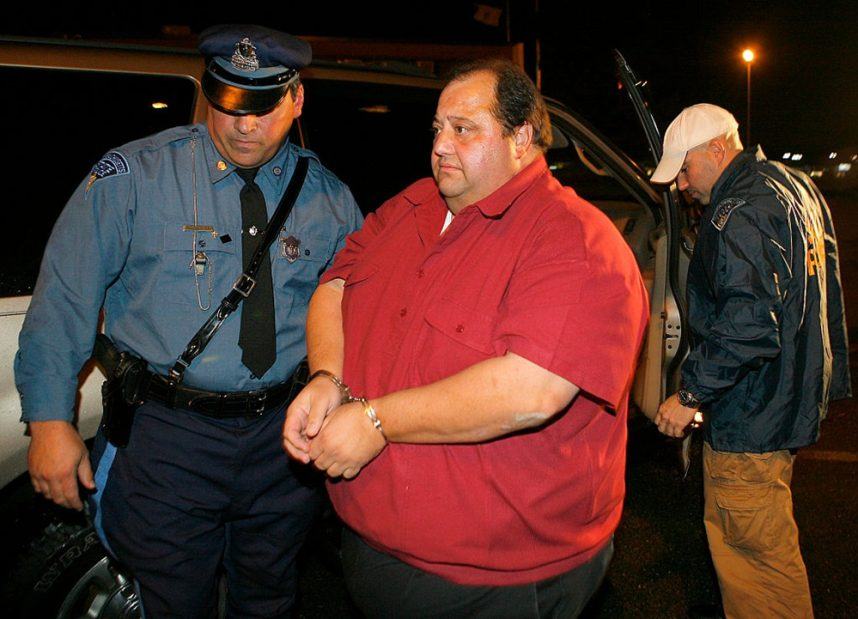
According to his attorney, DiNunzio struggled with severe obesity, Type 2 diabetes, heart complications, and other health issues.
Reactions regarding his Mafia hierarchy vary. Following his death, some outlets labeled him an “underboss,” while others referred to him as “godfather” or simply “boss.”
The End of The Cheeseman
His lawyer portrayed him as a legitimate businessman, running “Fresh Cheese” on Endicott Street in Boston’s North End, which shut down in 2009. Patrons appreciated the selection of “high-end” cheeses, including pepato, pecorino, and blue gorgonzola, as well as gourmet items like olives, spreads, deli meats, pastas, and sauces.
However, law enforcement contends that DiNunzio was initiated into the Mafia in the late 1990s and became underboss in 2004, effectively overseeing operations across Rhode Island and managing the family’s activities in Boston and eastern Massachusetts, as stated by authorities.
His criminal history included charges of public corruption and illicit gambling. He admitted guilt in 2009 to conspiring to bribe a state official.
This corruption was tied to a proposed loam contract for the “Big Dig” – a significant highway project in Massachusetts spanning from the early 1990s to the 2000s.
At the same time, DiNunzio admitted to state charges that involved conspiracy to advance gambling, managing an illegal gambling operation, and conspiracy to extort, according to the FBI and the Massachusetts Attorney General’s Office.
He was accused of leading extensive bookmaking operations in the Boston vicinity, a traditional income source for the Patriarca crime family.
Prosecutors claimed he directed sports betting activities and employed intimidation and extortion tactics to enforce payments. He received a six-year federal prison sentence following his plea deal and was released in 2015.
Decline of the Patriarca Family
Once a significant force, the Patriarca family controlled illicit gambling, loansharking, and extortion schemes across Massachusetts, Rhode Island, and Connecticut. However, over the past decades, they have experienced considerable decline due to internal strife, numerous prosecutions, and the gradual loss of leadership.
Authorities now estimate that only about 30 “made” members remain in the organization, a sharp contrast to the hundreds during their peak in the 1960s.