


Published on: January 5, 2026, 03:02h.
Updated on: January 5, 2026, 03:02h.

- Virginia is unlikely to approve any new casinos in 2026
- Currently, Virginia has five licensed casinos located in Norfolk, Portsmouth, Bristol, Danville, and Petersburg
Once regarded as a state with minimal gaming options, Virginia has recently opened its doors to various forms of commercial gambling.
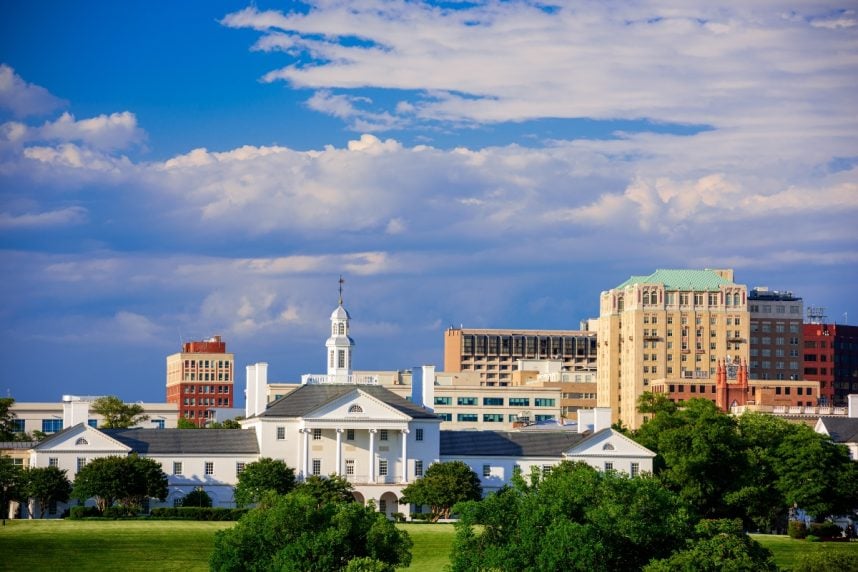
At present, the state has five casinos, along with retail and online sports betting options, as well as historical horse racing (HHR) machines available at off-track betting venues and The Rose Gaming Resort. The current licensed casinos operate exclusively in Norfolk, Portsmouth, Bristol, Danville, and Petersburg.
Despite this, two more cities are vying for a chance at casino licenses. Officials from Roanoke and Winchester are advocating for the opportunity to host a casino. Additionally, state representatives from Fairfax County argue that a casino in Tysons could provide substantial tax revenue for the state and help alleviate rising property taxes.
Chances for Additional Casinos Are Slim
The Virginia General Assembly is scheduled to meet on January 14 for its two-month session, concluding on March 14. Gaming legislation is expected to be on the agenda, with Virginia Senate Majority Leader Scott Surovell (D) likely proposing legislation for a sixth casino license in Fairfax County.
However, Surovell’s proposal faces considerable opposition, as a significant portion of Fairfax County residents seems to be against the idea of a casino. Local civic organizations, homeowner associations, and the Fairfax County Board of Supervisors have formally expressed their disapproval of any moves to bring gaming options to Tysons.
Although legislators have the ability to designate Fairfax for a casino, Virginia’s gambling regulations stipulate that a license can only be issued following a successful local referendum indicating majority community support. Public surveys reveal widespread resistance to a casino among the well-to-do residents, making the likelihood of a casino being established in Fairfax quite low.
Similarly, Roanoke and Winchester’s hopes for casino licensing appear bleak. No state lawmaker has yet shown support for legislation aimed at including these areas among the existing five licensed casino cities.
Roanoke is collaborating with a lobbying organization to find a legislative sponsor. However, even if a sponsor is secured, navigating through the General Assembly is anticipated to be a complex process, as legislators from both parties advocate for giving the existing five casinos ample time to operate effectively before considering further licenses.
NOVA Casino Perspectives
Virginia imposes a tiered tax structure on casino revenues: 18% for earnings up to $200 million, 23% for revenues reaching $400 million, and 30% for amounts over $400 million. These tax revenues are crucial for supporting local economies, government initiatives, and public education funding.
At present, it’s estimated that millions in tax revenue are being foregone as Virginia residents cross the Potomac River to patronize MGM National Harbor in Oxon Hill, Maryland. MGM National Harbor stands as the most lucrative casino outside Las Vegas.
Without a casino established in Northern Virginia, advocates for a Fairfax casino suggest that the state’s education funding has become reliant on contributions from Virginians to Maryland’s system.